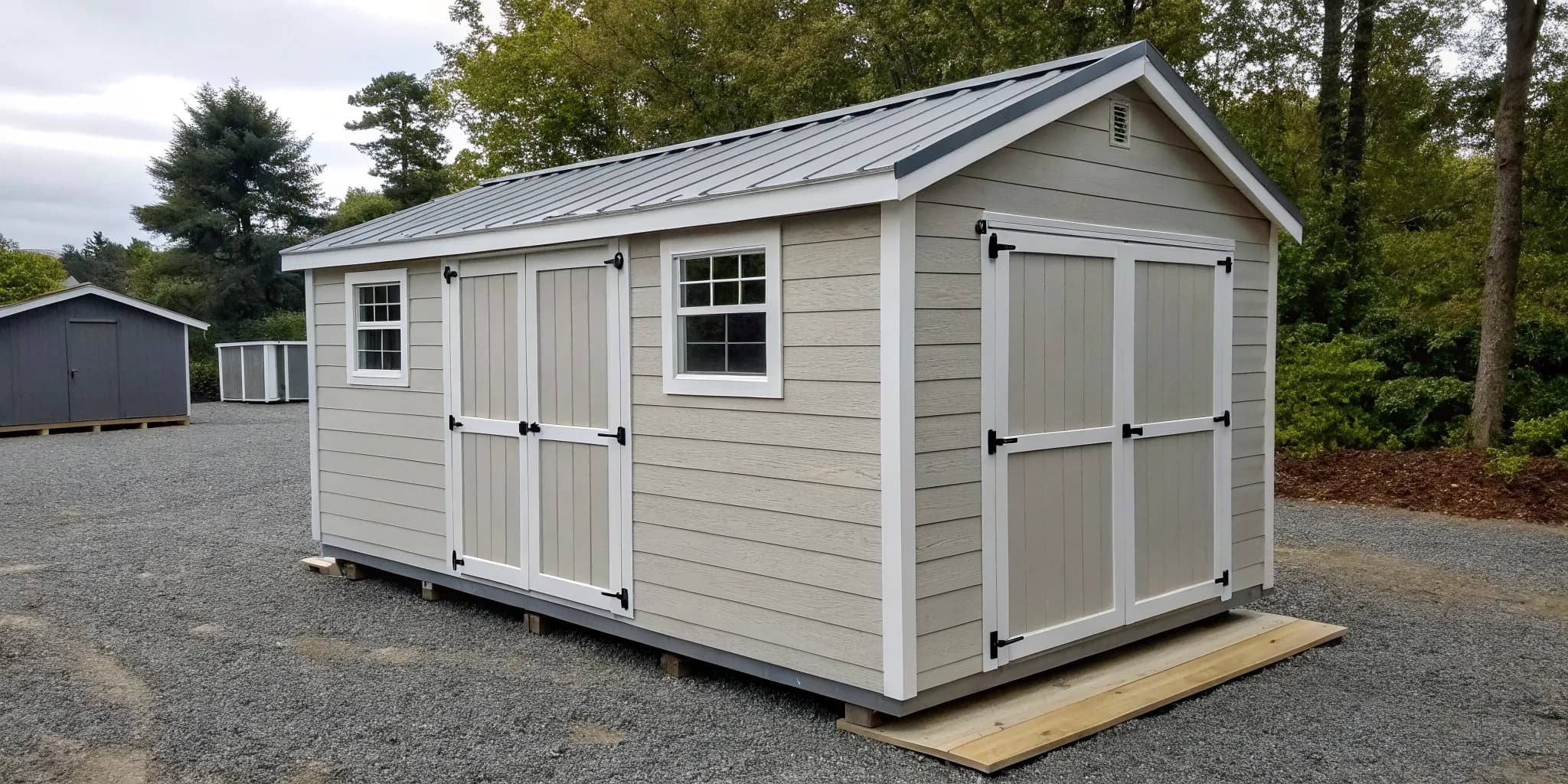
A new shed is more than just a place to store your stuff; it’s a real addition to your property. When you think of it that way, the temptation to grab the cheapest option from a big-box store starts to fade. A well-built shed should add value and function to your home for years, not become a maintenance headache in a season or two. Making a smart choice means looking past the price tag and focusing on quality construction that will stand up to our upstate New York weather. But how do you spot the difference? This guide breaks down what to look for when buying a prebuilt shed, covering everything from durable materials to solid warranties, ensuring your investment is one you’ll be happy with for the long haul.
Key Takeaways
- Define your shed's purpose first: Knowing exactly how you'll use your shed, whether for simple storage or a dedicated workshop, guides every other decision. It clarifies the right size, must-have features, and where to place it in your yard.
- Prioritize quality over a low price tag: A cheaper shed often means weaker materials that won't last through local weather. Instead, look for durable construction, a proper foundation, and good ventilation to ensure your investment is a lasting one.
- Choose a seller who supports you: A great company offers more than just a shed; they provide customization tools, transparent pricing, and a solid warranty. Look for flexible payment options like rent-to-own to get the quality you need without straining your finances.
Define Your Shed's Purpose
Before you start looking at colors or styles, let's take a step back and think about the "why." Knowing exactly what you need your shed to do is the most important first step. Will it be a simple home for your lawnmower and garden tools, or are you dreaming of a dedicated workshop or a quiet backyard retreat? Your answer will shape every other decision you make, from the size and layout to the specific features you'll need. Let's walk through some common uses to help you clarify your vision.
For storage and organization
If you’re tired of a cluttered garage, a shed dedicated to storage might be your perfect solution. Think about everything you want to move into it: garden equipment, bicycles, patio furniture, and those holiday decoration bins. Making a quick inventory list will help you figure out how much space you really need. For easy organization, consider adding features like built-in shelves for smaller items and a loft for things you don't use as often. Our storage sheds are designed to maximize space, helping you create a tidy and functional area that keeps your belongings safe and accessible.
As a workshop or hobby space
When your shed is meant to be a creative or functional workspace, your needs change a bit. A simple storage structure might not be enough. If you plan on setting up a woodworking shop, a pottery studio, or a home gym, you’ll need a floor built to handle heavy equipment. Good lighting is also key, so think about adding extra windows or even a skylight for plenty of natural light. Proper ventilation will keep the space comfortable and safe to work in. Our portable cabins can be a great starting point for a more finished hobby space or workshop.
For backyard barns and specialty uses
Sheds can be so much more than just a box for your stuff. Maybe you envision a charming backyard barn that adds rustic character to your property, a place to raise a few chickens, or even a sun-filled greenhouse for your plants. For these specialty uses, the look of the building is just as important as its function. You can choose a style and color that perfectly matches your home. Whether you need a secure home for your animals or a beautiful structure for your garden, we offer specialized designs like chicken coops to fit your unique goals.
Plan for your future needs
It’s easy to focus on what you need right now, but it’s smart to think about the future, too. Your family might grow, you could pick up a new hobby, or you might just accumulate more things over the next few years. It’s almost always a good idea to go one size larger than you think you need. This little bit of extra space can save you from the headache of outgrowing your shed and needing to buy another one later. You can use a 3D shed builder to play with different sizes and layouts, making it easier to visualize how you can grow into the space over time.
Choose the Right Size, Style, and Spot
Once you know what you’ll use your shed for, the next step is figuring out the logistics. Finding the perfect shed means balancing your storage needs with the realities of your property. It’s about more than just picking a model; it’s about choosing a size that fits your life, a style that enhances your home, and a location that makes sense for your yard. Let’s walk through how to get these key details right so you can feel confident in your choice.
How to pick the perfect size
Before you start browsing, grab a notepad and walk around your house and garage. Make a list of everything you plan to store in your new shed. Think about lawnmowers, wheelbarrows, gardening tools, bicycles, and seasonal decorations. Once you have your list, consider how much floor space these items will take up. It’s a smart move to choose a shed that’s slightly larger than your current needs. This gives you room to grow, whether you pick up a new hobby or just accumulate more stuff over time. A little extra space is always better than not having enough when you need it.
Consider door size and accessibility
The entrance to your shed is a critical detail that’s easy to overlook. Think about the largest item you’ll be moving in and out. If you have a wide riding mower or ATV, you’ll want to look at portable garages or sheds with double doors to avoid any frustrating scrapes and tight squeezes. For storing smaller tools and boxes, a standard single door might be all you need. Also, consider adding a ramp for easy access, especially for anything with wheels. The goal is to make using your shed as effortless as possible, and the right door setup is a huge part of that.
Select a design that complements your property
Your shed shouldn't be an afterthought; it should look like it belongs. Take a moment to consider the architectural style of your home. You can choose siding colors, trim, and roofing that match your house to create a cohesive look. A well-designed shed can genuinely enhance your property's overall aesthetic and curb appeal. You can play with different looks using a 3D Shed Builder to visualize how different styles, colors, and features will look in your space. This helps you create a structure that is not only functional but also a beautiful addition to your backyard.
Check local zoning, permits, and HOA rules
This is a crucial step to handle before you make a purchase. Local regulations can dictate the size, placement, and even the appearance of your new shed. Your town or city may require a permit for structures over a certain size, and there are often setback rules that specify how far the shed must be from property lines, fences, and your home. If you live in a neighborhood with a Homeowners Association (HOA), be sure to review their guidelines as well. A quick call to your local building department in the Hudson Falls area can save you a lot of potential headaches down the road.
Know your property lines and placement rules
Grab a tape measure and head outside to the spot you have in mind. Physically measure the area to ensure the shed’s footprint will fit comfortably without overwhelming the space. Think about the daily flow of your yard. You don’t want to block a frequently used path, obstruct a window view, or place it too far from where you’ll be using your tools. Also, consider the ground itself. The location for your new backyard barn or shed needs to be level and stable. Proper site preparation is key to ensuring your shed lasts for years to come.
Focus on Quality, Materials, and Features
Once you know the purpose and size of your shed, it’s time to get into the details that make a big difference. The quality of your shed comes down to the materials used and the features you choose. A well-built shed isn't just a temporary fix; it's a long-term addition to your property that should stand up to the elements and serve you well for years. Focusing on quality from the start saves you from the frustration of repairs and replacements down the road.
Think of it this way: the structure itself is the foundation of your new space. You want to be sure it’s made of durable materials, designed for our local weather, and includes the features that will make it truly useful for you. From the walls and roof to the windows and doors, every component plays a role in the shed's longevity and functionality. Investing in quality storage sheds means you get a reliable building that adds value and convenience to your life.
Compare materials: wood, metal, and vinyl
The material of your shed affects its appearance, durability, and how you can use it. Wood sheds are a classic choice for a reason. They offer a timeless look and are incredibly easy to customize. You can paint them to match your home, and the sturdy walls make it simple to add shelves, hooks, or a workbench.
Plastic or resin sheds are low-maintenance and won't rot or rust. However, they are harder to customize, and you can't paint them if you decide you want a new color. Metal sheds are durable, but they can dent and may be prone to rust if not properly coated. For a structure that blends beautifully into your backyard and offers maximum flexibility, a high-quality wood shed, like our backyard barns, is often the best all-around choice.
Ensure it's built for the local climate
Here in upstate New York, our buildings have to handle everything from heavy snow and freezing rain to humid summer days. A shed that isn't built for our climate won't last. Look for structures made with strong materials and construction techniques that can withstand bad weather. This includes a sturdy roof that can bear a snow load and quality sealing around doors and windows to keep moisture out.
A well-built shed should feel solid, not flimsy. When a company offers a strong 5-year warranty, it’s a good sign that they stand behind their construction and build their sheds to endure local weather conditions for years to come.
Understand foundation and anchoring needs
Your shed is only as stable as the ground it sits on. A proper foundation is essential to prevent the structure from shifting, settling unevenly, or having drainage issues. A level gravel pad is a popular and effective base. It provides excellent drainage and a solid surface to support the shed.
It’s also important to make sure the shed is securely anchored to the ground. Strong winds can be a real threat to a portable building that isn't properly fastened down. A reputable seller will provide clear guidance on site preparation and anchoring requirements for their entire inventory of buildings, ensuring your investment stays put, no matter the weather.
Think about ventilation, windows, and light
A stuffy, dark shed isn't very useful. Good ventilation is key to preventing moisture buildup, which can lead to mold, mildew, and musty smells. Look for sheds with vents, or consider adding them. Windows also play a big role in both airflow and light. Think about how you’ll use the space. Do you need a lot of natural light for a workshop, or would you prefer fewer windows for security and privacy?
The placement of windows can make a huge difference. You might want them on a specific side to catch the morning sun or to overlook your garden. Using a 3D Shed Builder is a great way to experiment with different window and door configurations to create a layout that’s perfect for your needs before you buy.
Plan for shelves, hooks, and organization
A shed can quickly become a cluttered mess if you don't have a plan for organization. Before you even move anything in, think about how you'll use the vertical space. Wood sheds make this part easy, as you can install shelves, pegboards, and hooks directly onto the interior walls.
Map out where you want to store different items. Heavy-duty shelving is great for boxes and bins, while hooks are perfect for hanging tools, bikes, and ladders. Planning your interior layout ahead of time will help you get the most out of your new space from day one. Versatile designs like side gables provide a great blank canvas for all your organizational ideas.
Don't forget ramps and other add-ons
Getting heavy equipment in and out of your shed should be easy, not a workout. If you plan to store a riding lawnmower, snowblower, or motorcycle, a sturdy ramp is a must-have. Make sure the ramp is strong enough to handle the weight and wide enough for your equipment.
Beyond ramps, think about other add-ons that could make your shed more functional and attractive. Shutters and flower boxes can add a touch of charm, while a workbench can transform a simple storage space into a functional workshop. These small details can personalize your shed and make it a true extension of your home. For larger equipment, you might even consider a portable garage with a roll-up door for the easiest access.
Avoid common mistakes when buying a shed
One of the biggest mistakes people make is choosing the cheapest option available. A low price tag often means lower-quality materials and construction that won't hold up over time. You might save a little money upfront, but you'll likely face warping, fading, and other issues sooner than you think.
Other common pitfalls include picking the wrong size, forgetting to check local zoning rules, and neglecting to prepare a proper foundation. By focusing on quality and working with a trusted seller, you can avoid these issues. If budget is a concern, look into flexible payment options. A rent-to-own program can make a high-quality shed affordable without forcing you to compromise on the features and durability you need.
Find a Seller You Can Trust
Choosing the right shed is only half the battle; finding a reliable seller is just as important. A trustworthy company will not only provide a high-quality product but also offer excellent service, transparent pricing, and support long after the sale. This partnership ensures your investment is sound and the entire process, from design to installation, is a smooth one.
Look for customization and 3D design tools
Your shed should fit your life, not the other way around. A reputable seller will offer more than just a few standard models. Look for companies that provide a wide range of customization options, allowing you to choose everything from the paint color and trim to the placement of windows and doors. This flexibility ensures your new structure meets your specific needs and complements your property’s aesthetic. The best sellers even offer tools that let you design your own shed in 3D. This lets you experiment with different layouts and features, giving you a clear picture of the final product before you commit.
Use the warranty to gauge quality
A warranty is more than just a piece of paper; it’s a direct reflection of a company’s confidence in its products. A seller who offers a comprehensive warranty believes in the quality of their materials and craftsmanship. Before you buy, ask about the warranty details. What does it cover, and for how long? A solid 5-year warranty that protects against defects in materials and workmanship is a strong indicator that you’re buying a durable shed built to last. This guarantee gives you peace of mind, knowing your investment is protected if something goes wrong down the road.
Clarify delivery, installation, and pricing
No one likes surprise fees. A transparent seller will provide a clear, all-inclusive quote that covers the cost of the shed, delivery, and installation. Be sure to ask about the delivery process. Do they require a prepared site? How much clearance does their delivery equipment need? Understanding these logistics ahead of time prevents headaches on installation day. Opting for a pre-built shed saves you significant time and effort, but it’s crucial to confirm all the details upfront. A great seller will walk you through every step, ensuring you know exactly what to expect and what the final price will be.
Explore rent-to-own and financing
A high-quality shed is a valuable addition to your property, but it can also be a significant upfront expense. If the initial cost is a concern, look for sellers who offer flexible payment solutions. Many companies provide rent-to-own programs that allow you to make affordable monthly payments while using your shed. These plans often don’t require a credit check and give you the option to own the structure outright at the end of the term. This approach makes it possible to get the storage you need now without straining your budget, making a top-tier shed accessible to more homeowners.
Ask these questions before you buy
Feeling prepared when you talk to a seller can make all the difference. Keep a list of questions handy to ensure you’re getting a quality product from a company you can trust. A confident and experienced builder will have no problem answering them.
Here are a few key questions to start with:
- How long has your company been building sheds?
- What specific materials do you use for the roof, siding, and flooring?
- Can you describe your construction process?
- Do you stand behind your work with a warranty? What does it cover?
- What does the price include (delivery, installation, site prep)?
Related Articles
- Utility Shed | Legacy Structures
- Rent to Own Storage Sheds | Legacy Structures
- Single Slope | Legacy Structures
- Lofted Barn | Legacy Structures
- Garage | Legacy Structures
Frequently Asked Questions
How do I figure out the right shed size without getting it wrong? This is a common worry, but you can get it right with a little planning. Start by making a physical list of every large item you want to store, like your mower, bikes, and patio furniture. Then, think about how you'll move around inside. A good rule of thumb is to choose a size that feels a little too big. That extra space is your insurance against having to buy a second shed in five years when you've picked up a new hobby or your family has grown.
Do I really need to deal with permits and local rules for a simple shed? I know it feels like a hassle, but taking a moment to check local regulations is one of the most important steps. A quick phone call to your local building department in the Hudson Falls area can save you from a major headache, like being fined or forced to move your shed later. These rules exist to ensure safety and proper placement, and a good seller will be familiar with the requirements and can help guide you.
A wood shed sounds great, but is it a lot of work to maintain? It's true that wood requires some care, but a well-built wood shed is designed to make it easy. High-quality structures use treated lumber and durable paints that are made to withstand our upstate New York weather. The trade-off for this minimal upkeep is incredible flexibility. You can easily add shelves, paint it a new color, and make repairs if needed, which is something you just can't do with most plastic or metal alternatives.
What if a good quality shed isn't in my budget right now? You should never have to choose between quality and affordability. If the upfront cost is a concern, look for a seller that offers a rent-to-own program. This is a fantastic option that lets you get the durable, well-built shed you need now while making manageable monthly payments. It's a practical path to ownership that doesn't require you to compromise on the quality that will last for years.
What's the single biggest mistake I should avoid when buying a shed? The biggest mistake is letting price be your only guide. A cheap, low-quality shed might seem like a good deal, but it often costs more in the long run through repairs, frustration, and needing to replace it much sooner. Instead, focus on the overall value, which includes solid construction, durable materials, a strong warranty, and a seller you trust to stand behind their work.