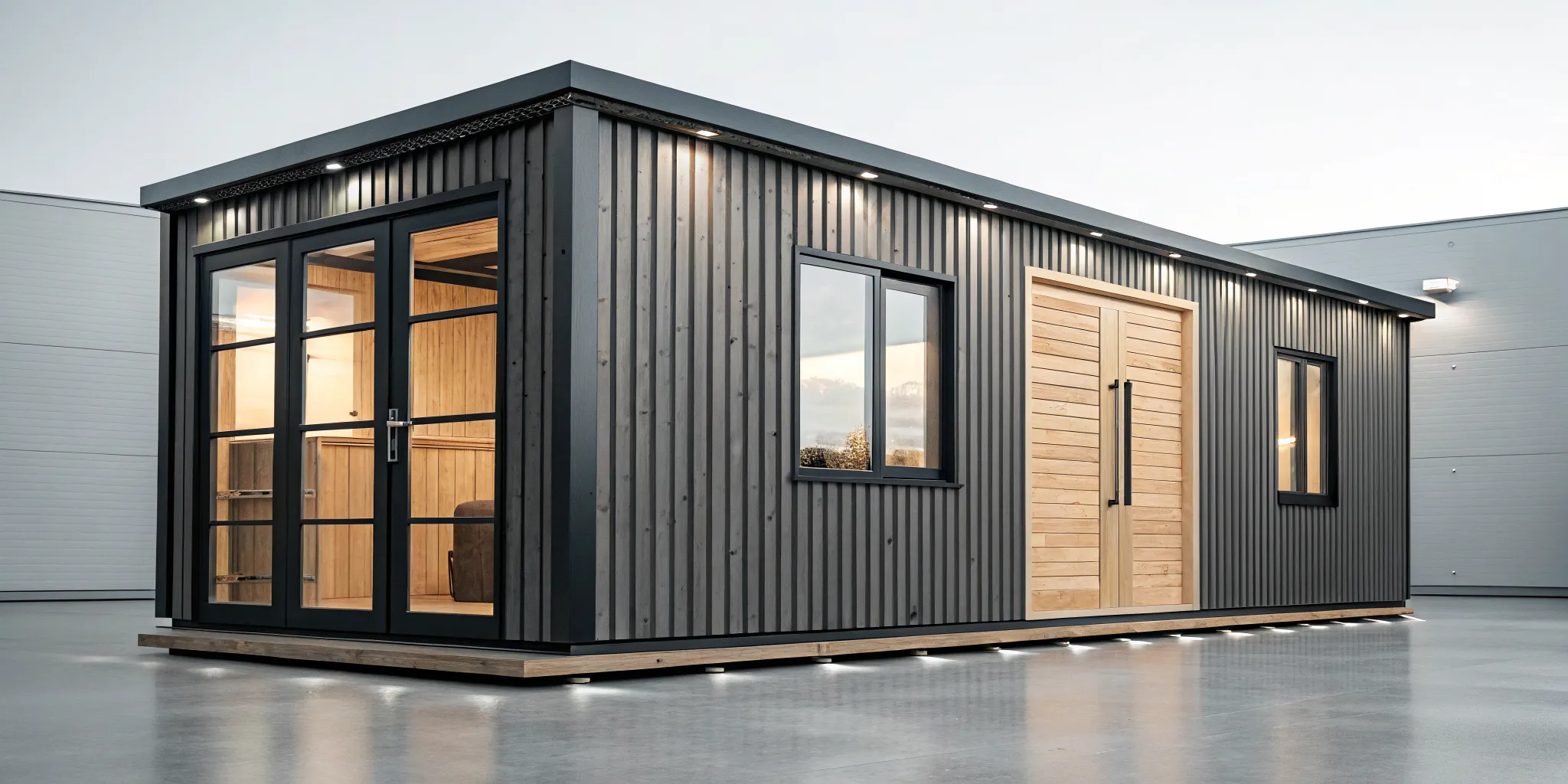
A portable cabin is more than just a building; it’s an investment in your property and your lifestyle. To ensure you get the best return, it’s important to look past the price tag and focus on quality and durability. Not all cabins are created equal, and a poorly constructed one can lead to endless repairs. This guide will help you become a savvy buyer by showing you what to look for in a portable cabin. We’ll cover the key indicators of quality craftsmanship, from solid foundations and leak-proof windows to the importance of a comprehensive warranty that protects your purchase.
Key Takeaways
- Define Your Cabin's Purpose First: Knowing exactly how you will use the space, whether as an office or a guest suite, is the most important first step. This decision dictates the ideal size, layout, and features, and helps you check local permit rules correctly from the start.
- Balance Style with Practicality: The best cabin is both beautiful and functional. Select materials like wood, metal, or composite based on your desired look and maintenance level, and do not forget essential features like insulation and proper ventilation for year-round comfort.
- Look for Quality Craftsmanship and a Strong Warranty: A reputable builder prevents future headaches by using superior construction to avoid leaks, pests, and drafts. Choosing a company that offers customization and stands behind its work with a warranty is the best way to protect your investment.
What Is a Portable Cabin?
So, what exactly is a portable cabin? Think of it as a pre-built, movable building that arrives at your property ready for use. Unlike a traditional structure built on-site from the ground up, these cabins are constructed in a controlled environment and then delivered right to you. This process saves you from the mess, noise, and lengthy timeline of a major construction project happening in your backyard. The "portable" part is key; these buildings aren't permanent fixtures. They are typically installed on a simple foundation like a gravel pad, concrete slab, or cinder blocks. This setup allows them to be moved with special equipment if you ever relocate or just want to reposition the cabin on your property.
This flexibility makes portable cabins an incredibly practical solution for adding space without the commitment of permanent construction. Whether you need a simple shell to finish yourself or a fully outfitted living space, a portable cabin offers a straightforward path to expanding your home's footprint. They are designed to be durable and functional, giving you a high-quality structure that can adapt to your changing needs over time. You get the benefit of a new room, office, or retreat without the headaches of a traditional home addition. It’s a simple, efficient way to get the extra space you need, right where you need it.
Portable Cabins vs. Traditional Homes
The most significant difference between a portable cabin and a traditional home is flexibility. A standard home is built on a permanent foundation, tying it to one piece of land forever. A portable cabin, however, gives you the freedom to move. This makes it an ideal choice for temporary housing, a remote office, or a vacation spot on a piece of land you might not own forever. Because they can be transported, they serve a variety of needs that a permanent structure can't. You also have a choice of materials to match your style; wood offers a classic, rustic aesthetic, while metal provides a durable, low-maintenance, and budget-friendly option.
Creative Ways to Use Your Cabin
A portable cabin is a blank canvas for your imagination. While they make excellent storage spaces, their potential goes far beyond that. You can transform one into a charming backyard guest house, offering a private and comfortable retreat for visiting family and friends. When you don't have visitors, that same space can become your personal sanctuary: a quiet home office, a sunlit art studio, or a private workout room. Many people use them as hunting cabins, lakeside retreats, or creative workshops. With a little planning, you can design a multi-functional space that adds incredible value and utility to your property. You can browse our current inventory to see what’s possible.
How to Plan Your Cabin's Size and Layout
This is where the fun really begins. Planning the size and layout of your cabin is your chance to dream up a space that perfectly fits your life. Before you get caught up in paint colors and decor, taking the time to map out the fundamentals will ensure your finished cabin is both beautiful and functional. Think about how you’ll use the space day-to-day. Will it be a quiet backyard office, a weekend retreat for your family, or a cozy guest house? Your answer will guide every decision you make, from the overall square footage to where the windows should go.
The goal is to create a floor plan that feels spacious, comfortable, and uniquely yours. Don’t feel limited by a smaller footprint. With smart design choices, even a compact cabin can feel open and airy. Consider how traffic will flow from one area to another and where you can build in clever storage solutions. A well-planned layout makes all the difference. You can even start bringing your ideas to life when you use a 3D Shed Builder to visualize different configurations and find what works best for you. Getting the layout right from the start is the key to building one of our portable cabins you'll love for years to come.
Find Your Perfect Size
Choosing the right size for your cabin starts with its main purpose. If you're planning a guest suite, think about how much space your visitors will need to sleep comfortably, relax, and store their belongings. For a home office or art studio, you might prioritize open floor space for a desk or easel. A great way to visualize the size is to head outside and mark the dimensions in your yard with stakes and string. This simple step helps you feel the scale and ensure it fits well in your chosen spot. Remember, an open floor plan can make even a smaller cabin feel much bigger, creating a welcoming and versatile space.
Design a Floor Plan for Comfort and Privacy
Once you have a size in mind, you can start designing a floor plan that balances comfort with privacy. Think about creating distinct zones for different activities, even in an open-concept space. A reading nook can be tucked into a corner, and a sleeping area can be separated with a curtain or a bookshelf. If the cabin will be used by multiple people, consider how you can create private spaces without making the interior feel cramped. The placement of windows and doors is also crucial. You can position them to capture the best views and natural light while maintaining privacy from your main home or neighbors.
Maximize Storage with Lofts and Smart Solutions
In any cabin, smart storage is essential for keeping the space tidy and functional. One of the best ways to add room without expanding the cabin's footprint is by going vertical with a loft. Lofts are perfect for sleeping quarters or extra storage, freeing up the main floor for living space. Many of our backyard barns use an underslung floor system, which keeps the overall building height low while allowing for a surprisingly tall and usable loft inside. Beyond lofts, think about incorporating built-in shelving, under-bed storage drawers, and multi-functional furniture to make every square inch count. Planning your storage from the start will help you maintain a clutter-free and relaxing environment.
What Are the Best Materials for a Portable Cabin?
Choosing the right material for your cabin is one of the most important decisions you’ll make. It influences everything from the building's appearance and durability to the amount of maintenance it will need down the road. The three main players in the portable building world are wood, metal, and composite materials. Each one comes with its own set of benefits, so the best choice really depends on your personal style, budget, and how much time you want to spend on upkeep.
Think about what you value most. Are you dreaming of a rustic, traditional hideaway that blends seamlessly into a natural landscape? Or do you prefer a modern, practical structure that requires very little maintenance? Understanding the core differences between these materials will help you select a cabin that you’ll love for years to come. At Legacy Structures, we offer a variety of finishes so you can find the perfect match for your property and lifestyle. You can explore our different portable cabins to see how different materials create unique looks.
The Classic Look of Wood
If you’re aiming for a timeless, traditional aesthetic, wood is an unbeatable choice. It offers a natural warmth and charm that metal and composites just can't replicate. A wooden cabin feels cozy and inviting, making it perfect for a backyard retreat, guest house, or creative studio. Plus, wood is incredibly versatile. You can paint it any color you like or apply a stain to highlight the natural grain. This flexibility allows you to easily match your cabin to your home or change its look over time. Wood gives you that classic cabin feel that never goes out of style.
The Durability of Metal
For those who prioritize strength and low maintenance, metal is an excellent option. Modern metal siding is engineered to withstand harsh weather, and it won't rot, warp, or fall victim to pests like termites. This makes it an incredibly durable and long-lasting choice. Forget the image of a plain industrial box; today’s metal siding comes in a variety of colors and can even be textured to mimic the look of wood. A metal cabin is a practical, budget-friendly solution that requires little more than an occasional wash to keep it looking great, giving you more time to enjoy your space.
Low-Maintenance Composite Options
Composite materials offer a fantastic middle ground, combining the handsome appearance of wood with the durability of synthetic products. These engineered materials are typically made from a blend of wood fibers and recycled plastics, creating a surface that is resistant to moisture, fading, and insects. With composites, you get the rich, textured look of wood without the demanding upkeep. You won't have to worry about staining, sealing, or painting your cabin every few years. This makes it a perfect "set it and forget it" choice for anyone who wants a beautiful cabin without the long-term maintenance commitment.
How Your Material Choice Affects Upkeep
Your choice of material directly impacts how much time and effort you'll spend on maintenance. Wood cabins require the most attention. To protect the wood from moisture and sun damage, you’ll need to periodically apply a fresh coat of paint or sealant. Metal, on the other hand, is the easiest to care for. It’s naturally resistant to rot and pests, so a simple cleaning now and then is all it takes. Composite siding falls somewhere in between but leans heavily toward low maintenance, usually just needing a wash to stay fresh. Our 5 Year Warranty covers superior craftsmanship, giving you confidence no matter which material you choose.
Is Insulating Your Portable Cabin a Good Idea?
If you’re wondering whether to insulate your portable cabin, the short answer is a definite yes. Think of insulation as the key to making your cabin comfortable and usable throughout the year, not just on perfectly mild days. It keeps your space warm and cozy during our chilly New York winters and helps it stay cool and pleasant through the hot, humid summers. This year-round comfort is the biggest reason to make insulation a priority.
Beyond comfort, insulation is a smart financial move. By preventing heated or cooled air from escaping, it reduces the strain on your climate control systems. This means lower energy bills every month. Insulation also adds a layer of soundproofing, turning your cabin into a quiet retreat from the outside world. Whether you’re planning to use your structure as a home office, a guest suite, or a personal getaway, investing in good insulation ensures the space is always ready for you. Our portable cabins are designed with these needs in mind, giving you a solid foundation for a truly functional space.
Why Insulation Ratings (R-Value) Matter
When you start looking at insulation, you’ll hear the term “R-value.” In simple terms, R-value measures how well the insulation resists heat flow. A higher R-value means better insulating power. For a four-season climate like ours, a high R-value is essential for maintaining a stable indoor temperature. It works hard to keep your expensive heated air inside during the winter and blocks the sun’s heat from getting in during the summer.
This directly impacts your energy efficiency. With a well-insulated cabin, your heater or air conditioner won’t have to run constantly to keep the space comfortable, which saves you money. The right R-value turns your cabin from a simple structure into an efficient, comfortable building that feels good to be in, no matter the weather outside.
How to Heat and Cool Your Cabin
Once your cabin is properly insulated, you can think about how you’ll heat and cool it. Insulation makes any climate control system more effective and affordable to run. One of the most popular and efficient solutions for portable cabins is a mini-split system. These units provide both heating and air conditioning, are incredibly energy-efficient, and operate quietly. They are a fantastic all-in-one option for year-round comfort.
Of course, other options like small electric space heaters or window AC units can also work, depending on your cabin’s size and how you plan to use it. The key is to match the system to your needs. As you design your ideal cabin, it’s a good idea to plan where your heating and cooling unit will go to ensure it works perfectly with your layout.
The Importance of Good Ventilation
Creating a well-insulated, airtight cabin is great for temperature control, but it also makes good ventilation essential. All of our daily activities, from breathing to making a cup of coffee, release moisture into the air. In a sealed space, that moisture has nowhere to go. Over time, this can lead to condensation on walls and windows, creating the perfect environment for mold and mildew to grow. This not only damages the structure but also harms your indoor air quality.
To prevent this, your cabin needs a way to breathe. Simple solutions like wall vents, an exhaust fan in a kitchenette or bathroom area, or even just opening the windows regularly can ensure proper airflow. Ventilation works hand-in-hand with insulation to create a space that is not only comfortable but also healthy and durable for years to come.
Key Features of a High-Quality Cabin
Once you’ve settled on the size and layout, it’s time to focus on the details that transform a simple structure into a comfortable, long-lasting retreat. The best portable cabins are defined by their features, from the quality of the windows to the finish on the walls. Paying attention to these elements ensures you get a cabin that’s not only beautiful but also functional and durable for years to come. These are the key features to look for when making your choice.
Let the Light In: Windows and Doors
Windows and doors do more than just let you in and out; they define your cabin's character and comfort. Ample natural light can make even a small cabin feel spacious and inviting, so think about where you want to place windows to capture the best views and sunlight. High-quality, well-sealed windows and a sturdy door are also crucial for security and energy efficiency, keeping your cabin cozy in the winter and cool in the summer. You can even add details like flower boxes or special lighting to make the entrance feel more like home and blend seamlessly with your property’s existing style.
Choose Your Interior Finishes
The interior of your cabin is a blank canvas. The finishes you choose will set the tone for the entire space. Many people love the classic, rustic feel of thick pine walls, which are not only beautiful but also durable and easy to clean when properly coated. Think about how you’ll use the space. Will it be a home office, a guest suite, or a creative studio? This will help you decide on flooring, wall treatments, and other finishes. With our 3D Shed Builder, you can experiment with different options to create an interior that truly feels like your own.
Get Connected: Electrical and Utilities
To make your cabin truly functional, you’ll need to plan for power. A pre-wired electrical package is a must-have feature if you plan to use your cabin for anything more than basic storage. This ensures all wiring is done safely and to code, with plenty of outlets for lights, electronics, and small appliances. Think about your layout and where you’ll need power the most. Having a solid electrical plan from the start saves you from running extension cords and allows you to use your cabin as a comfortable, fully equipped space for work or relaxation, much like you would with one of our portable garages.
Personalize Your Cabin's Exterior
Your cabin’s exterior is its first impression, so make it a good one. You have the flexibility to choose siding, roofing, and paint colors that either match your main house or create a unique, standalone aesthetic. Whether you prefer the traditional look of wood siding or the modern durability of metal, the right choice will protect your cabin from the elements and reflect your personal style. You can also add features like a porch, shutters, or different trim colors to give it extra charm. Browse our current inventory to see how different exterior choices come together in a finished product.
Consider Eco-Friendly Features
Building with sustainability in mind is always a smart choice. When it comes to materials, you have great options. Wood is a renewable resource that offers a classic, natural look. Metal, on the other hand, is incredibly durable, low-maintenance, and often made from recycled materials. Beyond the structure itself, consider features that reduce your cabin’s energy consumption. Well-insulated windows and doors, proper ventilation, and even the orientation of the cabin on your property can all contribute to a smaller environmental footprint. These are the same principles we apply when designing structures like our greenhouses, where controlling the environment efficiently is key.
How Much Does a Portable Cabin Cost?
Let's talk about the numbers. The final price of a portable cabin can vary quite a bit, because it’s not a one-size-fits-all product. The cost depends on several key factors, including the cabin's size, the materials you choose, and any custom features you add. Think of it like building a custom home, just on a smaller, more manageable scale.
The base price for a simple, smaller cabin will be much different than a large, multi-room model with all the bells and whistles. The good news is that this flexibility puts you in control. You can design a cabin that fits both your vision and your budget. Exploring different portable cabins can give you a solid starting point for what to expect. From there, you can decide which features are must-haves and where you might be able to save.
What Determines the Final Price?
The final price tag on your cabin is a sum of its parts. The most significant factor is size; a larger footprint naturally requires more materials and labor. Your choice of materials also plays a huge role. A classic wood exterior might have a different price point than a durable, low-maintenance metal siding. High-quality construction, including insulated panels and corrosion-resistant steel, might cost more upfront but adds to the cabin's longevity and value.
Customizations are where you can truly make the cabin your own, and they will also influence the cost. Adding extra windows, a charming front porch, or specific interior finishes will adjust the final price. The best way to see how these choices affect the cost is to experiment with a 3D shed builder, which lets you add and remove features to find the perfect balance for your budget.
Should You Rent-to-Own or Buy?
Once you’ve designed your perfect cabin, you need to decide how to pay for it. Buying outright is the most straightforward option. If you have the funds available, you pay the total price upfront and the cabin is yours, free and clear. This is often the most cost-effective choice in the long run since you avoid any interest or fees.
However, not everyone has the cash on hand for a large purchase. That’s where a rent-to-own program can be a fantastic solution. It allows you to get the cabin you need now while making affordable monthly payments. A portion of each payment goes toward the purchase price, so you’re working toward ownership with every payment. It’s a flexible path that makes getting a cabin more accessible, though the total amount paid will be higher than if you bought it outright.
Do You Need a Permit for a Portable Cabin?
One of the most common questions we get is about permits, and the honest answer is: it depends. Building codes and permit requirements can feel a little complicated, but they mostly come down to two things: the size of your cabin and how you plan to use it. Many local governments have a size threshold for accessory structures. For example, here in Washington County, New York, a permit is generally not required for a storage shed or similar structure that is 144 square feet or smaller. However, this can change from one town to the next, so it's never safe to just assume.
The game changes completely if you plan to add utilities. As soon as you want to run electricity for lights and outlets or add plumbing for a sink or bathroom, you will almost certainly need a permit, regardless of the cabin's size. These systems require inspections to ensure they are installed safely and correctly. The best first step you can take, even before you finalize your portable cabin design, is to call your local code enforcement office. A quick conversation can save you a lot of headaches later and ensure your new cabin is fully compliant from day one.
Check Local Zoning Laws and Regulations
Beyond building permits, you’ll also need to get familiar with your local zoning laws. These are the rules that dictate what you can build and where you can place it on your property. Zoning regulations often include setback requirements, which specify how far a structure must be from your property lines, your house, and other buildings. Some areas might also have rules about the total number of accessory structures you can have or even aesthetic guidelines. Before you pick the perfect spot in your yard, check with your local zoning office to get a clear picture of the rules. This will help you avoid any surprises and ensure your cabin’s placement is secure for the long term.
Prepare Your Site for Delivery
Proper site preparation is about more than just a smooth delivery day; it’s the foundation for your cabin’s stability and longevity. Your site needs to be level and clear of any obstacles like trees or stumps. A solid, level base prevents the structure from settling unevenly over time, which can cause doors and windows to stick and put stress on the frame. You also need to ensure there is a clear path for the delivery truck and equipment to access the site. In some cases, significant grading or creating a gravel pad might require its own permit, so it’s a good idea to discuss your site prep plans when you call your local code office.
Common Problems to Watch For When Buying
When you’re shopping for a portable cabin, it’s easy to get swept up in the excitement of choosing colors and floor plans. But taking a moment to inspect the construction quality can save you from major headaches down the road. Not all cabins are built to the same standard, and a few common issues can turn your dream retreat into a constant repair project. A well-built structure from a reputable builder will address these potential problems from the start, so you can focus on enjoying your new space.
Knowing what to look for is the first step. When you’re touring a model or looking at photos, keep an eye out for the details. A quality build is evident in the small things: tight seams, properly installed windows, and solid materials. Asking the right questions about how a cabin is constructed can tell you everything you need to know about its long-term durability and help you find a portable cabin that’s built to last.
Leaks and Water Damage
Water is a home’s worst enemy, and portable cabins are no exception. Leaks from the roof or walls can lead to rot, mold, and serious structural damage over time. When inspecting a cabin, pay close attention to the roof. Are the seams tightly sealed? Does the design allow for proper water runoff? A quality builder will use durable roofing materials and high-grade waterproof sealants to ensure everything stays dry inside. Don’t be shy about asking what kind of materials are used; it’s a clear indicator of the cabin’s overall quality and resilience against the elements.
Moisture and Ventilation Issues
A stuffy cabin isn’t just uncomfortable, it’s a breeding ground for mold and mildew. Without proper airflow, moisture from cooking, breathing, and the weather can get trapped inside. This is why good ventilation is non-negotiable. Look for cabins that include features like wall vents or windows that open easily to create cross-breezes. A well-designed cabin will also incorporate a vapor barrier with its insulation to prevent moisture from seeping into the walls. Proper ventilation keeps the air fresh and protects the structural integrity of your cabin for years to come.
Structural Wear and Pests
You want to share your cabin with friends and family, not critters. Small gaps in a cabin’s construction can be an open invitation for insects and rodents, who can cause damage to insulation and wiring. When you’re looking at a cabin, inspect the base and corners for any openings. A solidly constructed cabin will be sealed tight. This is where quality craftsmanship really shows. Reputable builders ensure that every joint is secure and every potential entry point is closed off, giving you peace of mind that your cabin is a pest-free zone.
Faulty Doors and Windows
Doors and windows do more than just provide a view; they’re crucial for security, insulation, and comfort. If they aren’t installed correctly, you’ll deal with drafts, water leaks, and difficulty opening or closing them. When you tour a cabin, test every door and window. Do they operate smoothly? Do they seal tightly when closed? Check the frames for any gaps and look at the quality of the seals. A builder who invests in quality windows and doors and takes the time to install them correctly is a builder you can trust. It’s a detail that speaks volumes about their commitment to a 5-year warranty and overall quality.
How to Maintain Your Portable Cabin
Once you have your perfect cabin, you’ll want to keep it in great shape for years to come. The good news is that maintaining a high-quality portable cabin is surprisingly straightforward. It doesn’t require a ton of time or specialized skills, just a little bit of routine attention. When you start with a structure built from superior materials, you’re already ahead of the game. A well-built cabin is designed to withstand the elements and daily use, which makes your job as the owner much easier.
Think of maintenance as a simple way to protect your investment. Regular check-ins allow you to spot and address small issues before they can turn into costly repairs. It’s about being proactive, not reactive. A company that stands behind its construction with a solid 5-year warranty is confident in the durability of its buildings, giving you peace of mind from day one. With just a few simple steps each season, you can ensure your portable cabin remains a comfortable, safe, and beautiful space for whatever you use it for.
Your Simple Maintenance Checklist
Keeping your cabin in top condition is all about consistency. A simple checklist can help you stay on track without feeling overwhelmed. A few times a year, take a quick walk around your cabin to perform these easy checks:
- Inspect the exterior: Look for any peeling paint, loose siding, or signs of wear. Addressing these minor touch-ups early keeps your cabin looking fresh.
- Check the roof: Clear away any leaves, branches, or other debris that may have collected on the roof to prevent moisture buildup.
- Examine windows and doors: Check the seals and caulking around your windows and doors. Resealing any small gaps will keep drafts out and maintain energy efficiency.
- Look at the foundation: Ensure the ground around your cabin is still level and that water is draining away from the structure properly.
Protect Your Cabin from Weather and Pests
Our cabins are constructed with durable materials chosen for their strength and resilience against environmental factors. However, a little preventative care goes a long way in protecting your structure from weather and unwanted critters. Trim any tree branches that hang over the roof to prevent damage during storms and keep leaves from piling up.
To discourage pests, keep the area immediately surrounding your cabin clear of woodpiles, tall grass, and dense brush. Periodically walk around the base of your cabin and seal any small cracks or holes you might find. When you design your structure, you can choose siding and roofing materials that offer excellent protection, giving you a strong first line of defense.
Keep Your Electrical and HVAC Systems Running Smoothly
If your cabin includes electrical or HVAC systems, regular maintenance is key to ensuring they operate safely and efficiently. These tasks are simple and help prevent problems down the road. For your HVAC unit, be sure to clean or replace the filters as recommended by the manufacturer. This simple step improves air quality and helps the system run more efficiently, which can save you money on energy bills.
For the electrical system, avoid overloading circuits with too many high-power appliances. Every so often, take a moment to check that all outlets and light switches are working correctly. These basic checks ensure your cabin remains a comfortable and safe environment for you and your family to enjoy.
How to Choose the Right Cabin Builder
Finding the right builder for your portable cabin is one of the most important steps in this whole process. You’re not just buying a structure; you’re investing in a future office, a creative studio, or a quiet backyard retreat. The right partner will make the entire experience feel smooth and rewarding, delivering a cabin that stands the test of time. A great builder is transparent about their process, uses high-quality materials, and stands behind their work long after the delivery truck has pulled away.
When you start comparing your options, it’s helpful to look beyond the initial price tag. Think about the long-term value you’re getting. Consider the quality of the craftsmanship, the flexibility you have to make the space your own, and the support you’ll receive down the road. A builder who is truly confident in their product will be happy to answer all your questions and show you exactly what makes their buildings different. Taking the time to find a trustworthy manufacturer is the best way to ensure you’ll get a cabin you absolutely love for years to come.
What to Look For in a Manufacturer
A great manufacturer always starts with great materials. When you’re looking at different builders, don't hesitate to ask what they use to construct their cabins. Quality materials like durable wood, corrosion-resistant steel, and well-made insulated panels are all signs of a structure built to last. A reputable builder will be upfront about their material choices and why they use them.
The quality of the construction is just as important. Pay attention to the details in the craftsmanship, from the sturdiness of the framing to the precision of the roofing. These elements determine how well your cabin will hold up against weather and daily use. You can explore different portable cabins to see how various materials and construction styles come together in the final product.
Why Customization and Warranties Matter
Your cabin should reflect your personal style and meet your specific needs, and that’s where customization comes in. A good builder will offer options that let you create a space that’s truly yours. For example, you might choose a classic wood exterior for a traditional look or a metal structure for a low-maintenance, modern feel. Having the ability to personalize your cabin ensures it fits perfectly into your life.
Just as important is the warranty. A strong warranty is a builder’s promise that they stand behind their work. It gives you peace of mind knowing that your investment is protected against defects in materials and workmanship. Before you commit, make sure you understand what the 5-year warranty covers, as it’s a clear indicator of the manufacturer’s confidence in its product.
Discover Our High-Quality Portable Cabins
Our portable cabins are designed to be flexible, affordable, and beautiful spaces for work, living, or storage. We believe that quality starts with a commitment to excellent materials and innovative design. Every cabin we build is crafted to meet modern needs, providing a comfortable and durable structure that you can enjoy right away. We prioritize quality from the ground up, so you can feel confident in your new space.
We also believe that you should have the power to create the perfect building for your property. With our interactive 3D Shed Builder, you can experiment with different sizes, layouts, colors, and features to design a cabin that’s uniquely you. It’s a simple way to visualize your ideas and bring your perfect cabin to life before you buy.
Related Articles
- Portable Cabins | Legacy Structures
- Portable Garages | Legacy Structures
- Utility Log Siding Cabin | Legacy Structures
- Timber Trail Log Cabin | Legacy Structures
- Utility Dormer | Legacy Structures
Frequently Asked Questions
How 'portable' is a portable cabin, really? Think of "portable" as meaning "relocatable." These cabins are constructed to be moved with specialized equipment, not towed behind your personal truck like a camper. This gives you incredible flexibility. If you ever sell your home, you might be able to take the cabin with you. Or, if you decide you'd rather have your home office on the other side of the yard in a few years, the cabin can be repositioned. It’s about having a high-quality, permanent-feeling structure without the permanent commitment to one single spot.
Do I need to pour a concrete foundation for my cabin? No, a traditional concrete foundation is not usually necessary, which is a major benefit. Most portable cabins are installed on a simple, level base. A professionally prepared gravel pad is the most common and effective solution. This type of foundation provides excellent drainage and a stable surface for the cabin to rest on. This simpler site preparation saves you time, money, and the disruption of a major construction project on your property.
Can I actually live in one of these cabins full-time? It's definitely possible to use a portable cabin as a full-time residence, but it requires careful planning. To make it a comfortable and legal dwelling, you would need to incorporate insulation, heating, cooling, electrical wiring, and plumbing. The most important factor is your local regulations. You must check with your town or county's code enforcement office to understand the specific permit requirements and building codes for permanent dwellings. They will guide you on what is needed to make your cabin a safe and compliant home.
What's the very first step I should take if I'm interested? A great first step is to make a quick call to your local code enforcement office. Ask them about the size limits for accessory structures and what triggers the need for a permit in your area. Knowing the rules upfront will make the entire process smoother. While you're waiting to hear back, you can start exploring designs with our 3D Shed Builder. This allows you to experiment with layouts, colors, and features to get a clear idea of what you want, so you're ready to move forward once you understand the local guidelines.
How much maintenance does a cabin really need? The maintenance is surprisingly minimal, especially when you start with a quality building. Your choice of materials will be the biggest factor. A cabin with metal or composite siding requires little more than an occasional wash to stay looking new. A wood cabin will need a fresh coat of paint or stain every few years to protect it from the weather. Otherwise, it's just a matter of simple seasonal checks, like clearing debris from the roof and making sure the seals around windows and doors are intact.