
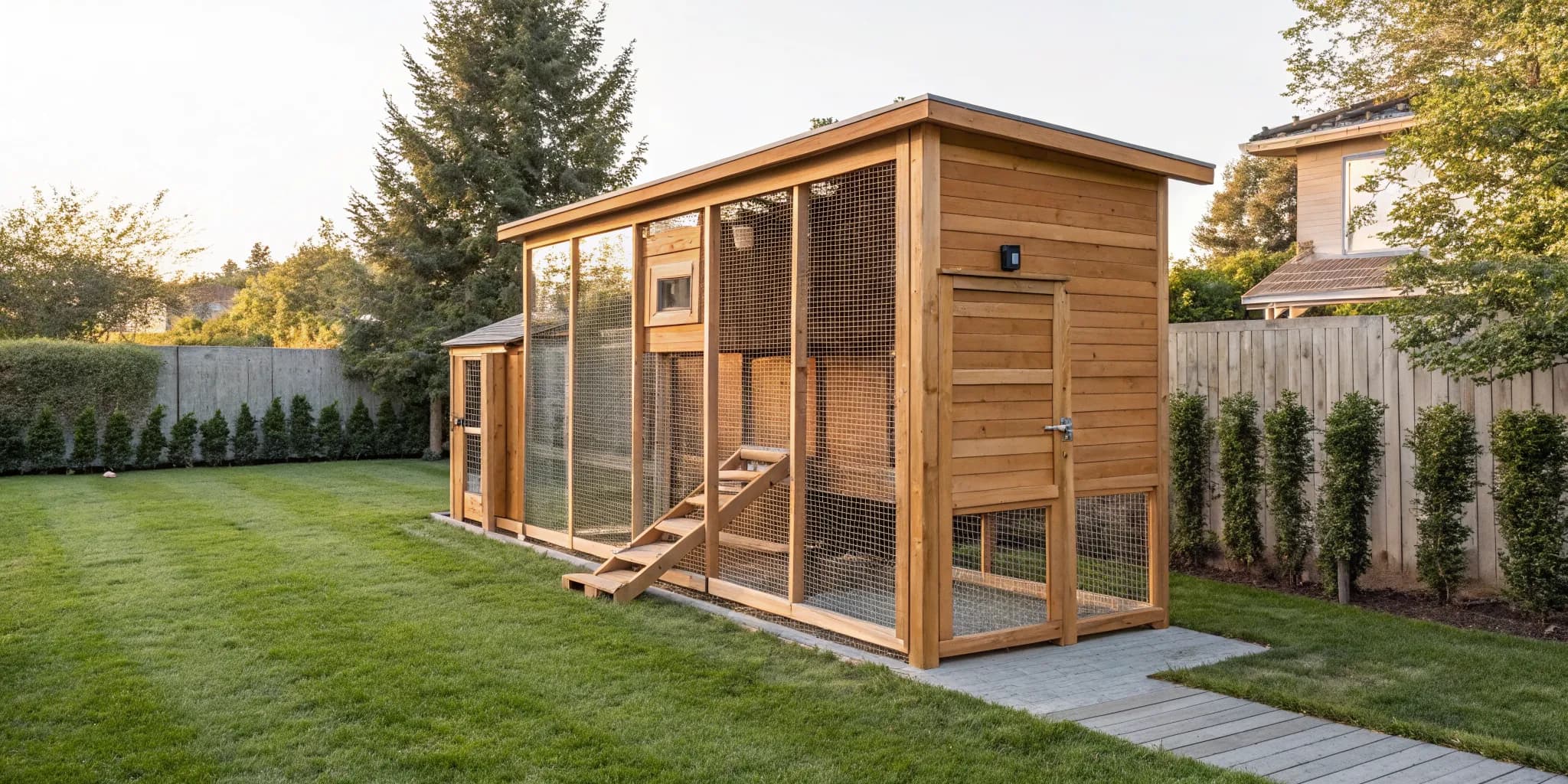
Let’s be honest, cleaning a chicken coop is one of the less glamorous parts of raising a flock. If you’re tired of crouching down and contorting yourself to scrub out a tiny coop, you’ll appreciate the difference a human-sized door makes. A walk in chicken coop with run is designed with your comfort in mind, allowing you to stand up straight while you clean, collect eggs, and refill food and water. This easy access not only saves your back but also makes it simpler to maintain a clean, healthy environment for your birds. This article will explore why this design is a game-changer for chicken keepers.
Key Takeaways
- Choose a coop that simplifies your routine: A walk-in design allows you to stand up straight, making cleaning and daily care much faster and more thorough. This leads to a healthier environment for your chickens, reducing the risk of stress and illness.
- Prioritize predator-proofing and proper airflow: Your coop's most important jobs are keeping chickens safe and healthy. Always choose sturdy hardware cloth over flimsy chicken wire and look for secure latches. Good ventilation, with vents placed high up, is also essential for preventing respiratory issues.
- View your coop as a long-term investment: A cheaper coop can lead to costly repairs and safety risks down the road. Opt for a structure built with high-quality materials and backed by a solid warranty to ensure your flock stays safe and your investment lasts for years.
What is a Walk-In Chicken Coop with a Run?
A walk-in chicken coop with a run is exactly what it sounds like: a chicken house tall enough for you to stand up in, connected to a secure outdoor space. Think of it as the ultimate chicken paradise, combining a safe and cozy shelter with a protected yard for them to peck, scratch, and sunbathe. This design makes your life as a chicken keeper so much easier. Instead of crouching down to clean or collect eggs, you can simply walk inside. This combination of human-friendly access and chicken-friendly space is what makes this style of coop a popular choice for backyard poultry enthusiasts. It provides the perfect balance of freedom and security for your flock while simplifying your daily chores.
Core Components and Design
A quality walk-in coop is designed for both your comfort and your flock’s well-being. The main structure is typically six to eight feet high, giving you plenty of headroom. Inside, you’ll find essential features like nesting boxes for laying eggs and roosting ladders or bars where your chickens can sleep safely off the ground. Our chicken coops include a 3-foot barn door for easy entry, along with windows to provide fresh air and natural light. The attached run is a sturdy, enclosed pen, usually made with wire mesh, that protects your flock from predators while giving them space to forage and enjoy the outdoors.
Walk-In vs. Traditional Coops: What's the Difference?
The biggest difference between a walk-in coop and a traditional, smaller coop is accessibility. With a walk-in model, you can stand up straight, making tasks like cleaning, refilling food and water, and collecting eggs much more comfortable. This ease of access means you’re more likely to keep up with regular cleaning, which is crucial for preventing diseases and keeping your flock healthy. Walk-in coops also tend to offer more interior space per bird. This extra room helps reduce stress and squabbles within the flock, leading to happier, more productive chickens. While a run offers less freedom than free-ranging, it provides a secure environment where your chickens can get exercise without you worrying about predators.
Why Choose a Walk-In Chicken Coop?
If you're raising chickens, you know that their safety and comfort are top priorities. A walk-in chicken coop with an attached run is more than just a place for your flock to sleep; it’s a complete habitat designed to make life easier for you and better for your birds. Unlike smaller, traditional coops that require you to crouch or crawl to access them, a walk-in model lets you stand up straight, turning daily chores like cleaning, feeding, and egg collecting from a hassle into a simple task.
This design provides a secure, all-in-one environment where your chickens can roost, lay eggs, and enjoy the outdoors safely. The integrated run gives them space to forage and stretch their legs without being exposed to predators or harsh weather. By investing in a walk-in coop, you’re not just buying a structure; you’re creating a healthier, happier, and more secure home for your flock, which often translates to better egg production and fewer health issues. It’s a practical choice that pays off in convenience and peace of mind.
Simplify Your Cleaning Routine
Let’s be honest: cleaning a chicken coop is nobody’s favorite chore. With a traditional, low-to-the-ground coop, you’re often stuck kneeling in shavings and contorting yourself to reach every corner. A walk-in coop completely changes the game. Being able to stand up and move around freely makes cleaning much faster and more thorough. You can easily walk in with a rake, shovel, or even a wheelbarrow to remove old bedding and replace it with fresh material. This simplified routine means you’re more likely to clean the coop regularly, which is essential for preventing the buildup of ammonia and bacteria that can harm your flock’s health.
Keep Your Flock Healthy and Comfortable
A happy chicken is a healthy chicken, and space is a key ingredient for a happy flock. Cramped quarters can lead to stress, pecking, and the rapid spread of disease. Walk-in chicken coops provide ample room for your birds to move around, roost comfortably, and establish a natural pecking order without conflict. A good rule of thumb is to provide at least 10 square feet of space per chicken if they won’t have much time to free-range. More space means better air circulation, cleaner living conditions, and a calmer, more productive flock. This generous layout helps ensure every chicken has the room it needs to thrive.
Protect Your Chickens from Predators
Protecting your flock from predators is a 24/7 job, and a well-built walk-in coop is your best line of defense. An integrated and fully enclosed run allows your chickens to enjoy fresh air and sunshine without being vulnerable to hawks, raccoons, foxes, and other local predators. When evaluating a coop, look for sturdy construction and the use of strong hardware cloth over windows and vents, not flimsy chicken wire that can be easily torn. Secure latches on all doors and nesting box lids are also critical. A high-quality walk-in coop acts as a fortress, giving you confidence that your birds are safe day and night.
Ensure Superior Weather Protection and Airflow
Proper ventilation is crucial for a chicken’s respiratory health, and it’s something a well-designed walk-in coop excels at. Good airflow helps remove moisture and ammonia from the air, preventing illness while keeping the coop fresh. Vents located near the roofline allow warm, moist air to escape without creating a draft on your roosting birds. At the same time, a solid, waterproof roof and sturdy walls protect your flock from rain, snow, and harsh sun. This combination of excellent ventilation and robust weather protection creates a stable, comfortable environment where your chickens can stay healthy and productive through every season.
What to Look for in a Walk-In Coop
Once you start shopping for a walk-in coop, you’ll notice they come in all shapes, sizes, and materials. Knowing what features truly matter will help you choose a structure that keeps your flock safe and makes your life easier. A great coop is more than just a shelter; it’s a secure, comfortable home that protects your chickens from predators and the elements while giving you easy access for cleaning and care.
Think about the long-term picture. A cheap, flimsy coop might save you money upfront, but it can lead to constant repairs, stressed-out chickens, and security risks. Investing in a well-built structure from the start pays off in durability and peace of mind. When you’re comparing options, focus on four key areas: the size and layout, the quality of the construction materials, the ventilation and weatherproofing, and the overall accessibility. These elements will determine how functional the coop is and how well it serves you and your flock for years to come.
Find the Right Size for Your Flock
The first step is making sure the coop is the right size for your flock. Overcrowding can lead to stress, pecking, and health problems, so giving your chickens enough room is essential. A good rule of thumb is to provide at least 10 square feet of space per chicken inside the coop, especially if they won’t have a lot of time to free-range. This gives them plenty of space to move around, roost comfortably, and avoid getting on each other’s nerves. Always plan for a slightly larger flock than you have now, as you’ll likely add more chickens down the road.
Evaluate Construction Materials and Security
Your coop’s main job is to keep your chickens safe from predators like raccoons, hawks, and coyotes. That’s why durable construction is non-negotiable. Look for coops built with sturdy wood and high-quality fasteners. Pay close attention to the wire used on the run; it should be strong hardware cloth, not flimsy chicken wire that predators can easily tear through. The latches on all doors and windows should be secure and predator-proof. A well-built coop with a strong warranty is a good sign that the builder stands behind their materials and craftsmanship.
Check for Proper Ventilation and Weatherproofing
Good airflow is critical for a healthy coop environment. Proper ventilation helps remove moisture and ammonia buildup, which can cause respiratory problems for your flock. Look for vents near the top of the coop that allow stale air to escape without creating a draft on roosting chickens. At the same time, the coop needs to protect your flock from the elements. A solid, waterproof roof is a must to keep the interior dry during rain and snow. The structure should be sturdy enough to withstand strong winds and keep your chickens comfortable year-round.
Inspect Doors and Access for Easy Maintenance
A walk-in coop should be easy for you to walk into. A human-sized door makes daily chores like cleaning, refilling food and water, and collecting eggs much simpler. Trying to crouch through a tiny opening gets old fast. Our chicken coops feature a 3-foot barn door specifically for this reason. Also, check for easy access to nesting boxes, preferably from the outside, so you can gather eggs without disturbing the whole flock. Thoughtful design that prioritizes easy access will save you a lot of time and effort in the long run.
Finding a High-Quality Walk-In Coop
Once you know what features to look for, the next step is finding a builder who can deliver. A great walk-in coop is an investment in your flock's health and your own peace of mind, so it pays to choose a structure built with care and expertise. The right builder will not only provide a solid, reliable coop but will also offer the flexibility to create a space that perfectly suits your needs. Look for transparency, quality craftsmanship, and a commitment to customer satisfaction.
The Legacy Structures Standard of Quality
We believe every chicken deserves a safe and comfortable home. That’s why each of our Chicken Coops is built to a high standard of quality and functionality. Every coop includes a 3-foot barn door for easy access, two 24” x 27” single-pane windows for excellent ventilation, and a built-in roosting ladder. The solid construction ensures your coop will stand up to the elements and keep predators out, providing a secure environment for your flock. These aren't just features on a list; they are thoughtful details designed to make chicken-keeping simpler and more enjoyable for you.
What to Look for in a Reputable Builder
A reputable builder offers more than just a standard model; they provide solutions. Look for companies that give you options for customization, allowing you to design a coop that fits your specific landscape and flock size. Can you choose the paint color, roofing material, or window placement? A great tool to look for is a 3D shed builder, which lets you visualize your design before you commit. This level of flexibility shows that a builder is focused on meeting your unique needs rather than just making a quick sale. It’s a clear sign they are confident in their craft and dedicated to creating a product you’ll love.
Why Construction and Warranties Matter
The quality of your coop’s construction has a direct impact on your chickens' health. A clean, dry, and well-built coop is your best defense against common poultry ailments. High-quality materials and sturdy construction prevent leaks, drafts, and weak spots that predators could exploit. Just as important is the builder’s guarantee. A strong 5-year warranty demonstrates that the company stands behind its work. It’s a promise that your investment is protected, giving you confidence that you’re buying a durable structure built to last for years to come.
How Much Does a Walk-In Coop Cost?
Figuring out the budget for a new chicken coop is one of the first, and most important, steps you'll take. The price for a walk-in coop can vary quite a bit, so it helps to understand what goes into the final cost. Think of it not just as a purchase, but as an investment in your flock's safety, health, and your own peace of mind. A well-built coop will last for years, require fewer repairs, and provide a secure home that keeps your chickens happy and productive.
The final price tag depends on several things: the size of the coop, the quality of the materials used, and any special features you add. Whether you build it yourself from a kit or buy a pre-built structure also plays a big role. While a DIY project might seem cheaper upfront, a professionally constructed coop often provides better long-term value and durability. At Legacy Structures, we focus on creating high-quality chicken coops that are built to withstand New York weather and keep predators out, ensuring your investment pays off for years to come.
Understanding the Price Range
There isn't a single price for a walk-in chicken coop because every flock and backyard is different. The cost is shaped by how handy you are, the number of predators in your area, and your local climate. A simple, no-frills coop you build yourself might only cost a few hundred dollars in materials. On the other hand, a large, pre-built coop with premium features and robust security can cost several thousand. It’s important to balance your budget with the needs of your flock. A cheaper coop might save you money now, but if it can’t stand up to a determined raccoon or a harsh winter, you’ll face more costs and heartache down the road.
Key Factors That Influence the Final Cost
Several key elements determine the final price of your walk-in coop. The most obvious is size; a coop for 20 chickens will naturally cost more than one for six. The quality of materials is another major factor. We use high-grade lumber, durable roofing, and secure hardware because we know they create a longer-lasting, safer home for your flock. Extra features like insulated walls, additional windows for ventilation, or a specific number of nesting boxes also affect the price. You can even explore a custom design to get the exact layout you need, which gives you control over the final cost and functionality.
Finding the Best Value and Exploring Financing
When you're shopping for a coop, it's easy to focus on the initial price, but the best value comes from quality construction that lasts. A well-built coop from skilled craftsmen protects your chickens and saves you from the expense of future repairs or replacements. A solid structure is a smart investment. To make this investment more manageable, many builders offer financing options. Our Rent-To-Own program is a great way to get a high-quality coop without the large upfront cost. Plus, a strong 5-year warranty provides peace of mind, ensuring you're covered if any issues arise. True value is a coop that stands strong year after year.
Common Mistakes to Avoid with Walk-In Coops
Choosing the right walk-in coop is a big step, and you want to get it right from the start. A little planning goes a long way in preventing future headaches and ensuring your flock stays happy and healthy. Let's walk through a few common missteps people make so you can feel confident in your decision. Getting these details right means less work for you and a safer, more comfortable home for your chickens.
Overlooking Key Security Features
A secure coop is non-negotiable. One of the most frequent and dangerous mistakes is using chicken wire for the run. While it's inexpensive, it’s not strong enough to stop determined predators like raccoons, hawks, or even neighborhood dogs. They can easily tear through it. Instead, you should always look for coops built with hardware cloth. It’s a sturdy, galvanized steel mesh that provides real protection. When you invest in high-quality chicken coops, you're paying for peace of mind and durable materials that keep your flock safe day and night.
Neglecting Ground Management and Maintenance
The ground inside the run can get messy, fast. Chickens will quickly turn a grassy patch into a muddy, barren area. If left unmanaged, this can become a breeding ground for bacteria and parasites, which is bad news for your flock's health. A common oversight is not having a plan for the run's flooring. Using a thick layer of sand or wood chips can make a huge difference. These materials drain well, are easy to clean, and give your chickens a better surface to scratch around on. A little ground management keeps the run sanitary and your chickens much happier.
Miscalculating Space and Ventilation Needs
It’s easy to underestimate how much room your chickens actually need. Overcrowding leads to stress, pecking, and the rapid spread of illness. A good rule of thumb is to provide at least 10 square feet of run space per chicken, especially if they won’t be free-ranging often. Just as important is proper ventilation. A stuffy coop traps moisture and ammonia, which can cause serious respiratory problems. Look for coops with vents placed high up, away from roosting areas, to allow stale air to escape without creating a draft. Well-designed portable buildings prioritize airflow for a healthy interior environment.
How to Choose the Right Walk-In Coop
Picking the right coop is one of the most important decisions you’ll make for your flock. It’s their home, their shelter, and their safe space. To make the best choice, you’ll want to think about your available space, your daily routine, and the long-term value of your investment. Let’s walk through the key factors to consider so you can find a coop that keeps your chickens happy and your backyard chores simple.
Assess Your Space and Flock Size
Before you fall in love with a specific coop, take a look at your yard and your flock. A good rule of thumb is to provide at least 10 square feet of coop space per chicken, especially if they won’t have much room to roam freely. Measure the area where you plan to place the coop, keeping in mind you’ll need a level spot with good drainage. It’s also smart to plan for growth. Many chicken keepers find their flock expanding sooner than expected, so choosing a slightly larger coop now can save you from needing an upgrade later. Our chicken coops come in various sizes to fit both your space and your flock’s needs.
Decide if a Walk-In Coop is Right for You
A walk-in coop can be a game-changer for daily chores and the well-being of your flock. The ability to stand up inside makes cleaning much easier and more thorough. For your chickens, the extra vertical space and room to move around can lead to a healthier and more harmonious environment with less pecking and stress. Providing ample space is crucial, as confinement without enough room can lead to behavioral and health issues. If you want a coop that simplifies your routine and gives your chickens a comfortable, spacious home, a walk-in design is an excellent choice that supports a thriving flock.
Prioritize Quality for Long-Term Value
While it can be tempting to go with the cheapest option, a well-built coop is an investment that pays off. A sturdy structure is your first line of defense against predators like raccoons, foxes, and hawks. Look for coops built with durable materials, strong hardware cloth instead of flimsy chicken wire, and secure latches on all doors and windows. A quality coop will not only protect your flock but also withstand years of harsh weather, saving you money on repairs. A builder that stands behind their work with a solid 5-year warranty is a great indicator that you’re getting a structure built to last.
Frequently Asked Questions
How do I figure out the right size coop for my flock? A good starting point is to plan for at least 10 square feet of space per chicken inside the coop and run. This gives them enough room to move comfortably and helps prevent stress-related issues like pecking. It’s also wise to think about the future. If you plan on adding more birds later, choosing a slightly larger coop now will save you from having to upgrade down the road.
Are walk-in coops really better for keeping chickens safe from predators? Yes, a well-built walk-in coop offers superior protection. The key is in the construction details. Unlike flimsy kits that often use thin chicken wire, a quality coop uses sturdy hardware cloth that raccoons and other predators can't tear through. Combined with solid wood construction and secure, predator-proof latches on all doors and windows, a walk-in coop creates a fortress that keeps your flock safe day and night.
What kind of site preparation is needed before my coop is delivered? You will need to provide a level, clear spot for your new coop. The ground should be firm and free of any obstacles like stumps or large rocks to ensure the structure sits properly. You should also make sure there is a clear path for the delivery truck and equipment to access the site. A little preparation beforehand makes the delivery process smooth and simple.
Can I design a coop to match my house or other buildings? Absolutely. A great builder will offer customization options that go beyond the basic layout. You can often choose paint colors, roofing materials, and trim to create a coop that complements your home and landscape. Using a 3D design tool allows you to experiment with different styles and features to build a coop that is both functional for your flock and a beautiful addition to your property.
Is a rent-to-own plan a good option for buying a coop? Rent-to-own can be a fantastic solution if you want a high-quality coop without a large upfront payment. It allows you to get the safe, durable structure your flock needs right away while spreading the cost over time with manageable monthly payments. It’s a flexible path to ownership that makes investing in a long-lasting coop more accessible.