
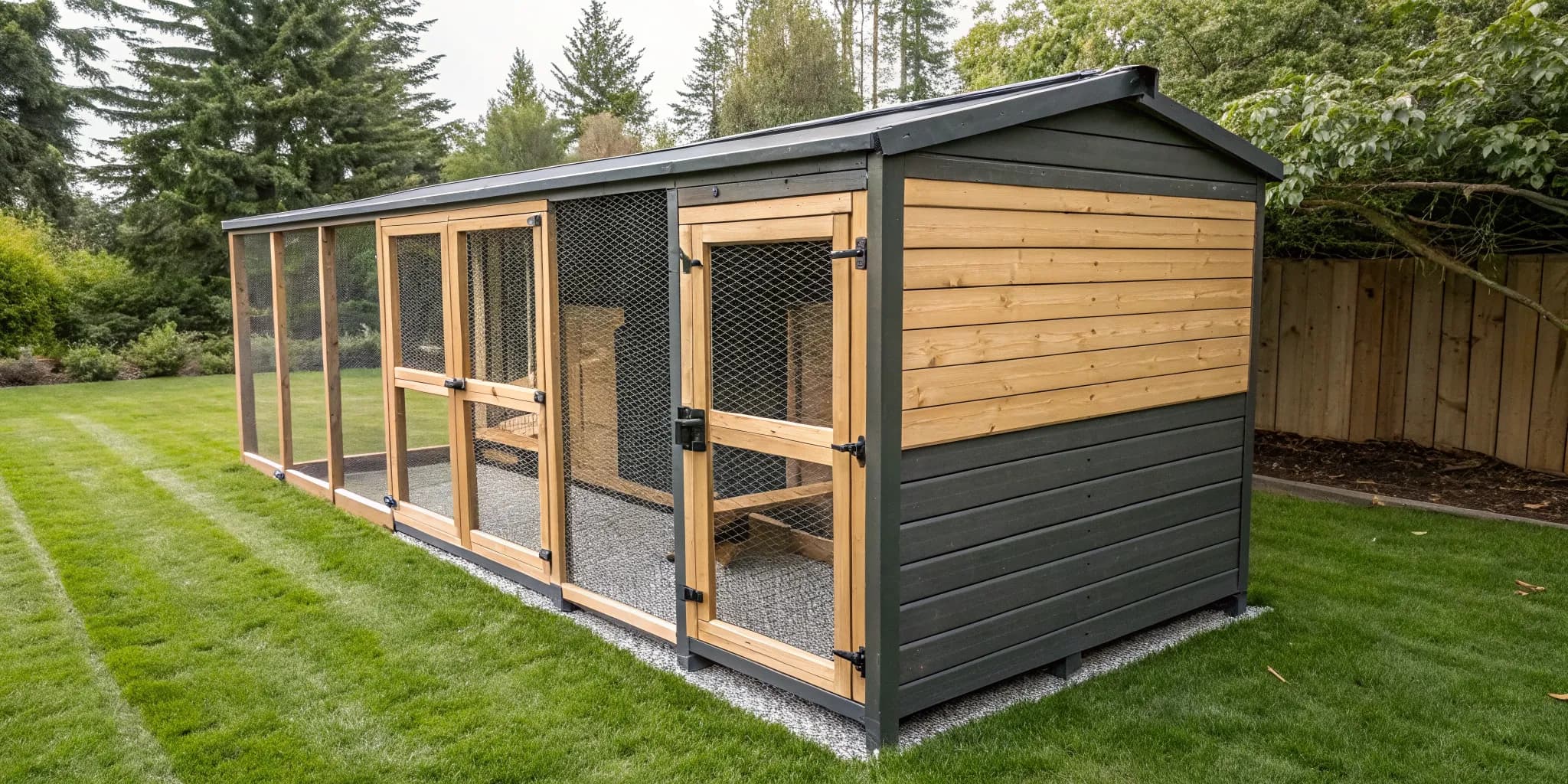
To build a secure coop, you have to learn to think like a predator. A raccoon will test every latch and seam, looking for a weak point to pry open. A fox or weasel will scout the perimeter, searching for a gap to dig under. A hawk will watch from above, waiting for an uncovered run. Your chicken tractor isn’t just a shelter; it’s a puzzle that predators are constantly trying to solve. Creating a genuinely predator proof chicken tractor means anticipating these tactics and designing a structure that offers no easy solutions. It’s about reinforcing corners, securing the base, and choosing hardware that outsmarts their natural abilities, turning your coop into a safe haven.
Key Takeaways
- Prioritize predator-proof materials: Your coop's security is only as strong as its weakest part. Always choose 1/2-inch hardware cloth over flimsy chicken wire and build with durable, rot-resistant lumber for a solid frame.
- Outsmart predators with smart design: Go beyond strong walls by securing every potential entry point. Use two-step latches that raccoons can't solve, add a hardware cloth skirt to stop digging, and eliminate all gaps a weasel could use.
- Treat security as a daily practice: A predator-proof coop requires regular attention. Check your latches and look for ground-level gaps every day, and inspect the entire structure weekly for any new weak spots.
What Makes a Chicken Tractor Predator-Proof?
A chicken tractor is a brilliant concept: it’s a mobile coop that gives your flock fresh ground to forage on every day while keeping them contained. But its mobility creates a unique challenge. The trick is finding the sweet spot between a structure that’s light enough for you to move easily and one that’s tough enough to keep determined predators out. A truly predator-proof design isn’t about building an impenetrable fortress; it’s about smart, meticulous construction that leaves no opportunity for a predator to get in.
This means using the right materials, like hardware cloth instead of flimsy chicken wire, and ensuring every connection is secure. A well-built tractor has no gaps in the corners for a weasel to squeeze through and features latches that a clever raccoon can’t figure out. It also addresses the ground-level threat, because many predators will try to dig their way in. Whether it’s a solid floor, a wire mesh skirt, or another clever feature, the design must account for attacks from all angles. When you start with a high-quality, well-designed structure like one of our chicken coops, you’re already several steps ahead in keeping your flock safe.
Why Predator-Proofing Your Coop Is Essential
Let's be honest: to a lot of local wildlife, your chickens look like an easy meal. They are vulnerable, and it’s our job to protect them. Losing chickens to a predator is heartbreaking, not to mention a significant loss of your investment in time, feed, and care. The best way to prevent this is to think like a predator and secure any potential weak points before an attack happens. It’s very difficult to make any coop 100% predator-proof, which is why a multi-layered defense is your best strategy. By combining a sturdy coop with other security measures, you create a much safer environment for your flock to thrive.
Common Predators to Watch For
Knowing your enemy is the first step in building a strong defense. In our area, your flock faces threats from the ground and the air. The most common predators that will try to dig under or break into your chicken tractor include dogs, coyotes, foxes, and raccoons. Raccoons are particularly notorious for their dexterity and can often manipulate simple locks and latches. Smaller predators like weasels and minks can be just as dangerous, as they can slip through surprisingly small openings. You also need to look up; hawks and owls are always on the lookout for an unprotected chicken. A secure roof and properly sized wire mesh are essential for protecting your flock from these aerial threats.
Choose the Right Materials for a Secure Coop
Building a fortress for your flock starts with the right supplies. The security of your chicken tractor is only as strong as its weakest component, so choosing durable, predator-resistant materials is the most important first step. Investing in quality from the beginning saves you from costly repairs and the heartache of losing chickens. At Legacy Structures, we build our chicken coops with this principle in mind. Every material is chosen for its strength and longevity. When you’re building your own or evaluating a pre-made one, paying close attention to the wire, wood, and roofing will make all the difference.
Hardware Cloth vs. Chicken Wire: Which Is Safer?
This is a critical mistake many new chicken keepers make. While the name is misleading, chicken wire is only for keeping chickens in, not for keeping predators out. Its thin design is easily torn by raccoons, who can also reach through the openings. For true security, you must use hardware cloth. This is a sturdy, welded wire mesh with small, 1/2-inch or 1/4-inch square openings. It’s strong enough to stop claws and teeth, and the openings are too small for a predator's paws to fit through. Use it on all vents, windows, and other openings to create a secure enclosure.
Select the Best Frame Materials
The frame is the skeleton of your chicken tractor, and it needs to be tough enough for predator attacks and the elements. Since a tractor has consistent ground contact, it's vulnerable to moisture and rot. For this reason, you should always build with cedar or pressure-treated lumber. These materials resist decay and give your coop a much longer lifespan. A strong frame provides a solid structure to securely attach your hardware cloth and roofing. We stand by our materials, which is why our buildings come with a 5-year warranty against defects.
Pick Your Roofing and Weatherproofing
A solid roof is your first defense against rain, sun, and aerial predators like hawks. It also stops climbing animals from entering from above. Your roofing material should be durable and securely fastened with no gaps. One excellent option is corrugated polycarbonate roofing; it’s tough, lightweight, and lasts a long time. A light color can also help keep the coop cooler. Other solid options include metal or asphalt shingles, as long as they are installed correctly. Make sure it is screwed down tightly so it cannot be pried off. Our experience building durable greenhouses shows how effective these materials can be.
Key Design Features for a Safer Coop
Beyond the materials you choose, the actual design of your chicken tractor is your first line of defense. A smart layout can outwit even the most persistent predators before they ever get close to your flock. Paying attention to a few key structural elements during the building process, or when shopping for a pre-built coop, will make all the difference in keeping your chickens safe and sound. These features work together to create a secure home that addresses predator tactics from every angle, from brute force to clever manipulation.
Build a Sturdy Frame
A flimsy coop is an open invitation for predators. Your tractor’s frame is its skeleton, and it needs to be strong enough to withstand pushing, pulling, and attempts to break through. We build our chicken coops with high-quality lumber for exactly this reason. For a DIY project, use sturdy materials like pressure-treated 2x4s for the frame. This provides the structural integrity needed to hold up against larger animals like coyotes or dogs. A solid frame also gives you a strong base for attaching your hardware cloth, ensuring there are no weak points or gaps for smaller predators to exploit. Think of it as the foundation of your coop’s security system; if the frame fails, everything else will too.
Install Secure Latches and Doors
Raccoons have incredibly dexterous paws and can figure out simple hooks and slide bolts in minutes. This is why every single access point on your coop needs a truly secure latch. Don't rely on gravity or a simple hook to keep doors closed. Instead, opt for two-step locking mechanisms or latches that require opposable thumbs to operate, like carabiner clips or spring-loaded bolts. This applies to the main door, nesting box lids, and any clean-out panels. As one homesteader wisely advises, you need to make sure all doors have strong, secure latches to prevent clever predators from simply walking in the front door.
The Benefits of an Elevated Design
Lifting your coop off the ground is a simple but highly effective security measure. An elevated design creates an immediate barrier for ground-dwelling predators like snakes, weasels, and rodents, making it much harder for them to access the coop floor. It also discourages digging animals, as they can't get a direct start at the coop's perimeter. Beyond security, elevation improves ventilation, which is crucial for your flock's respiratory health, and allows droppings to fall through to the ground, keeping the coop cleaner. This design feature helps prevent predators from easily accessing the coop while also contributing to a healthier environment for your chickens.
Why to Consider Angled Interior Walls
For those in areas with a high number of digging predators like foxes or badgers, this clever design trick can be a game-changer. The idea is to install an angled wall on the inside perimeter of the chicken run. This wall, often made of hardware cloth or corrugated metal, slopes down from the coop wall to the ground at about a 45-degree angle. This creates a "dead space" that foils digging animals. When a predator digs under the outer wall, they hit this interior barrier and can't go any further. One chicken keeper found this method to be 100% successful at stopping underground threats, making it a brilliant addition for ultimate peace of mind.
Stop Predators from Digging Underneath
Some of the most persistent predators, like foxes, weasels, and raccoons, won’t bother trying to break down a door. Instead, they’ll try to dig their way in from below. A sturdy frame is a great start, but securing the perimeter at ground level is what truly makes a coop impenetrable. Protecting your flock from these threats is all about creating a barrier that stops digging in its tracks. Fortunately, there are a few straightforward and highly effective methods to secure the base of your chicken tractor and give you peace of mind. These techniques create a "dead end" for any animal attempting to tunnel its way to your chickens.
Add a Hardware Cloth Skirt
First things first, let's clear up a common misconception: chicken wire is for keeping chickens in, not for keeping predators out. For real security, you need hardware cloth. This sturdy wire mesh has small, welded squares (usually 1/2-inch or 1/4-inch) that are too tough for claws and teeth to break through. To stop diggers, you can create a "skirt" by attaching a wide strip of hardware cloth to the bottom edge of your coop, extending outward along the ground. This simple addition forces a predator to start digging several inches, or even a foot, away from the coop wall, which is often enough to discourage them completely.
Use Underground Barriers and Anchors
To make your hardware cloth skirt even more effective, you need to secure it firmly. You can attach the cloth to a simple wooden frame and lay it flat on the ground around the coop's base, staking it down tightly. This prevents a clever predator from just lifting the skirt and slipping underneath. For maximum protection against the most determined diggers, you can take it one step further. Dig a shallow trench around your coop and bury the edge of the hardware cloth skirt a few inches deep. This creates an underground barrier that stops even the most stubborn animals from tunneling their way in.
Consider a Removable Floor System
If you live in an area with a high predator population or want extra security for when you're away, a removable floor can be a fantastic solution. Think of it as a "bottom cap" for your coop. It’s a separate, sturdy frame covered in hardware cloth that you place on the ground, setting the chicken tractor directly on top of it. This provides a solid, protective floor that still allows droppings to fall through to the ground below. When you start with a well-built structure, like one of our durable chicken coops, adding these extra security layers is a straightforward process that ensures your flock stays safe and sound.
Smart Building Techniques for a Stronger Tractor
Building a predator-proof chicken tractor isn't just about using the right materials; it's about using them smartly. The way you construct your coop, from the ground up, determines its strength and resilience against clever predators. A well-built tractor has no weak points for a determined raccoon or digging fox to exploit. By focusing on a few key construction techniques, you can create a structure that is a true fortress for your flock. These methods focus on reinforcing the most common points of attack: the base, walls, roof, and overall stability. Let's walk through how to assemble your tractor for maximum security.
Construct a Solid Foundation and Base
Your tractor's foundation is its first line of defense against digging predators like foxes and weasels. A flimsy base is an open invitation for an animal to tunnel underneath. To stop this, you need to create a barrier that’s too difficult to get through. A great rule of thumb is that the base frame "should always be 12″ to protect against digging predators, regardless of your chicken tractor design." This width creates a solid perimeter that forces a predator to dig a much longer tunnel to get inside, which is often enough to deter them. Think of it as building a moat of solid wood that protects the entire structure from being breached from below.
Assemble Walls for Maximum Strength
When it comes to your tractor's walls, your choice of mesh is critical. While the name is misleading, chicken wire is only good for keeping chickens in, not for keeping predators out. You should "always use hardware cloth (which has small, strong squares, usually 1/2 inch or 1/4 inch) for your chicken tractor walls and floor." Raccoons can easily rip through chicken wire, but they can't get their paws through the tiny, strong openings of hardware cloth. For an even stronger wall, don't just staple the cloth to the frame. Instead, "sandwich it between two pieces of wood and secure it with screws that go through the cloth." This makes it nearly impossible for a predator to pull or tear the mesh away from the frame.
Secure the Roof Properly
A secure roof protects your flock from two major threats: harsh weather and aerial or climbing predators. Hawks, owls, and raccoons can all pose a threat from above, so a flimsy tarp won't do. You need a solid, durable material that can't be easily breached. For example, "white corrugated polycarbonate roofing works well and lasts a long time." This type of material is not only tough and long-lasting, but it also provides shade and shelter. Make sure the roof is securely fastened to the frame with no gaps or loose edges that a clever raccoon could pry open. A solid roof is a non-negotiable feature for keeping your chickens safe and dry.
Ensure Proper Weight and Stability
The overall weight and stability of your chicken tractor play a huge role in its security. Simply put, "a heavy tractor makes it harder for predators to lift or wiggle under the sides." A bear or even a pair of determined raccoons can potentially tip or push a lightweight coop. While a mobile tractor needs to be light enough for you to move, it must be heavy enough to resist being pushed over. If you opt for a lighter design, you can use stakes to anchor it to the ground each time you move it. This provides the stability of a heavy coop without the back-breaking weight. Professionally built chicken coops often strike this balance perfectly, providing security that you can trust.
Add Extra Layers of Security
A well-built coop is your first and best line of defense, but sometimes a particularly clever predator needs a little extra discouragement. Adding a few extra layers of security can give you peace of mind and make your flock's home an unappealing target. These additional measures work to startle, confuse, and deter predators before they even attempt to break in. Think of them as a security system for your coop, creating a perimeter that warns unwanted visitors to stay away. When paired with a solid structure like one of our chicken coops, these extra steps create a truly formidable defense for your flock. Let's look at a few effective options you can implement.
Integrate Electric Fencing
If you're dealing with persistent ground predators, a movable electric poultry fence can be a game-changer. This isn't a high-voltage barrier; instead, it's a lightweight netting that delivers a mild, surprising shock to any animal that touches it. Most kits come with a small solar panel and battery, making them completely portable and perfect for placing around a chicken tractor. This creates a protective zone that moves with your flock. The goal isn't to harm the predator, but to teach it that getting close to your coop is an unpleasant experience. This additional barrier is an excellent way to secure a larger grazing area for your chickens.
Use Motion-Activated Deterrents
Sometimes, the simplest solutions are surprisingly effective. Predators are naturally wary, and an unexpected light or sound can be enough to send them running. This is where motion-activated deterrents come in handy. You don't need a complex system; something as simple as a set of wind chimes that jingles when a predator brushes past can be enough to startle it. Motion-activated sprinklers or solar-powered security lights are also fantastic options. When a raccoon or fox triggers the sensor, the sudden spray of water or flash of light makes the area feel unsafe, convincing them to abandon their plans and leave your chickens in peace. These are easy and affordable tools to add to your security strategy.
Set Up Sound and Visual Deterrents
To outsmart nocturnal predators, you can use their own cautious instincts against them. Random, unpredictable lights and sounds create an environment that feels dangerous and occupied. Unlike a steady porch light that they can get used to, flashing deterrents mimic the presence of another creature. You can find solar-powered lights, sometimes called 'bionic eyes', that flash intermittently through the night. These small devices are easy to install on your coop and can be very effective at scaring off animals like foxes and coyotes. These visual deterrents work by making a predator think it has been spotted, which is often all it takes to protect your flock.
Avoid These Common Security Mistakes
When you're excited to get your chickens into their new home, it's easy to overlook small details. Unfortunately, those small details are exactly what predators look for. Building a secure chicken tractor is completely achievable, but a few common missteps can accidentally leave your flock vulnerable. It's not about being paranoid; it's about being prepared. A little extra attention to detail during the building or setup phase can save you a lot of heartache later. Think of it like locking your front door. You don't do it because you expect trouble every day, but you do it for the security and peace of mind it provides. The same principle applies to protecting your flock. From the materials you choose to the latches on the doors, every element plays a role in creating a safe space. Even the ground you place your tractor on can make a difference. By being aware of these potential pitfalls from the start, you can ensure your coop is a true fortress for your feathered friends. Let's walk through some of the most frequent security mistakes so you can confidently avoid them and build a tractor that offers complete protection and peace of mind.
Choosing the Wrong Materials
Here’s a piece of advice you’ll hear from every seasoned chicken keeper: do not use chicken wire for predator proofing. It’s a bit of a misnomer; chicken wire is great for keeping chickens in, but it does very little to keep predators out. Raccoons can easily tear through it with their paws or simply reach through the wide hexagonal holes. Instead, always use hardware cloth with 1/2-inch or 1/4-inch welded wire squares. It’s significantly stronger and the smaller openings prevent paws from reaching through. Our pre-built chicken coops are constructed with high-quality, durable materials to give you peace of mind from day one.
Forgetting Ground-Level Protection
Many predators, like foxes and weasels, won't bother trying to break through a wall if they can just dig underneath it. An open-bottomed tractor is especially at risk. The best way to stop this is by adding a hardware cloth "skirt" around the base of your coop. To do this, you attach a strip of hardware cloth (at least 12 inches wide) to the bottom edge of the tractor, laying it flat on the ground outward. Secure it firmly with stakes or heavy rocks. This simple barrier effectively stops animals from digging at the edge of the coop wall.
Using Weak Latches and Doors
You’d be surprised at how clever a determined raccoon can be. They can easily figure out simple hook-and-eye latches or slide bolts. Every door, lid, and access point on your chicken tractor needs a secure, predator-proof latch. Look for two-step latches that require more complex actions to open, like a carabiner clip or a spring-loaded barrel bolt. Don't rely on gravity or a simple wood block to keep things closed. When you design your own structure with our 3D Shed Builder, you can see how every component, including doors and hardware, comes together to create a secure home.
Not Planning for Uneven Ground
One of the biggest security gaps in a chicken tractor isn't a flaw in the structure itself, but in where you place it. If the ground is uneven, it can create small dips and gaps along the bottom edge of the tractor. A gap of just an inch or two is all a snake, weasel, or rat needs to squeeze inside. Before moving your tractor to a new spot, take a moment to ensure the ground is as flat as possible. This prevents chickens from getting out and, more importantly, stops predators from getting in. Our structures are built with a quality that's backed by a 5 Year Warranty, but ensuring a level placement is a key step you can take for daily security.
Maintain Your Coop for Lasting Security
A well-built chicken tractor is your first line of defense, but keeping it secure is an ongoing process. Think of it like maintaining your car or home; regular check-ups prevent small issues from turning into big problems. Predators are persistent, and they will test your coop for weaknesses day in and day out. A loose latch or a small gap that wasn't there last week can become an open invitation for a raccoon, fox, or hawk.
Creating a simple maintenance routine is the best way to stay one step ahead and ensure your flock remains safe and sound. By spending just a few minutes each day and a little more time each week, you can spot and fix vulnerabilities before a predator does. This consistent attention to detail will protect your chickens and extend the life of your coop, making sure your investment provides security for years to come. We’ve broken it down into daily, weekly, and seasonal tasks to make it easy to follow and give you peace of mind.
Your Daily Inspection Checklist
Each morning or evening when you tend to your flock, take a quick walk around the coop to perform a security sweep. First, check every door and opening. Are the latches fully engaged and secure? Raccoons are incredibly clever with their hands, so a simple hook or gravity-held door won't be enough to stop them. Make sure your latches are strong and require a specific action to open.
Next, scan the base of the tractor. Look for any gaps between the frame and the ground, especially if you've recently moved it to a new spot. A determined predator can squeeze through surprisingly small openings. If you see any spaces, block them with heavy bricks, logs, or extra wire mesh laid flat on the ground.
What to Check Weekly
Set aside a few minutes each weekend for a slightly more thorough inspection. This is when you’ll want to get up close and examine the hardware cloth. Run your hands along the mesh (carefully, of course) to feel for any tears, rust spots, or areas where it might be pulling away from the frame. This material is the main barrier keeping smaller predators out, so its integrity is critical.
Also, pay close attention to the corners and seams where different sections of the coop meet. Make sure there are no gaps forming where the walls connect or where the roof joins the frame. A small separation can be easily widened by a persistent animal. Reinforcing these spots with extra screws or brackets can keep your coop solid and secure.
Essential Seasonal Maintenance
As the seasons change, so do the threats and the needs of your coop. In seasons with higher predator activity, you might consider moving your flock into a more secure, stationary coop at night. Our permanent chicken coops are built with strong foundations that prevent digging, offering an extra layer of protection when you need it most.
When preparing for colder weather, you may want to add plastic sheeting to your tractor for insulation. A great tip is to install the plastic on the inside of the frame. This prevents curious livestock or wildlife from chewing on it from the outside. A little seasonal prep goes a long way in keeping your chickens safe and comfortable all year round.
Balance Cost with Security
Building a chicken tractor involves a constant balancing act between your budget and the safety of your flock. While it’s tempting to cut costs wherever you can, skimping on security can lead to heartbreaking losses. The goal isn’t to build the cheapest coop possible, but the most secure one you can afford. A little extra investment in the right places provides peace of mind and protects the birds you care for. Finding this balance is key to a successful and sustainable chicken-keeping setup. It’s about making smart choices, knowing where to save, and understanding when to spend a little more for premium protection.
Smart Ways to Save on Security
Saving money on your chicken tractor doesn't have to mean compromising on safety. One of the best ways to be economical is through smart design. Since a chicken tractor needs to be light enough to move to fresh grass daily, you can opt for lighter, less expensive frame materials without sacrificing strength. Focus your spending on the most critical security features, like using hardware cloth instead of flimsy chicken wire. You can also look for reclaimed wood or other materials that are still in good condition. Just be sure to inspect them thoroughly for any weaknesses that a predator might exploit. A clever design that is both secure and practical is the ultimate way to save.
When to Invest in Premium Protection
There are a few areas where you should never cut corners. Your first priority is to create a completely sealed environment when the coop is closed. This means investing in high-quality hardware cloth for all vents and windows and ensuring there are absolutely no gaps. When you build, make sure to account for overlap at every corner so a determined predator can’t find a weak spot. It’s also wise to invest in solid, predator-proof latches for all doors and access points. For ultimate peace of mind, you might consider professionally built chicken coops that are designed from the ground up with predator protection in mind.
Think About Long-Term Value
When you're planning your budget, try to think beyond the initial building costs. Investing in durable materials and smart security features from the start will save you money and stress down the road. For example, adding a wire skirt around the base or a movable, solar-energized electric string provides lasting protection against diggers. A well-built tractor won't just keep predators out; it will also withstand the elements for years, reducing the need for frequent repairs. Choosing a structure that comes with a 5-year warranty is a great indicator that you're investing in a product built for long-term value and security.
Find Your Predator-Proof Coop at Legacy Structures
After learning about all the ways predators can get to your flock, building a coop from scratch might feel like a huge undertaking. It takes time, the right tools, and a lot of attention to detail to get it right. Sourcing the correct materials, like hardware cloth instead of chicken wire, and ensuring every latch and joint is secure can be stressful. A small mistake or a weak point in the design could unfortunately put your chickens at risk. If you'd rather skip the construction phase and get a secure home for your chickens right away, we have a solution for you.
At Legacy Structures, we build high-quality, durable chicken coops designed with your flock’s safety as the top priority. We use superior materials and construction techniques to create a fortress against common threats. Our coops feature sturdy frames that resist force, solid walls that prevent chewing, and secure latches that are tricky for clever predators like raccoons to open. We’ve already incorporated the key design principles for a predator-proof structure, so you won't have to worry about weak spots or flimsy materials that won't hold up over time.
We understand that every backyard and flock is different. That's why we offer customizable options to ensure your coop provides the best possible protection for your specific environment. You can start with one of our proven designs and add features to fit your needs, creating a secure space that gives you immediate peace of mind. Plus, our structures are built to last and come with a 5-year warranty that covers our craftsmanship. Instead of spending weeks building and troubleshooting, you can invest in a reliable, expertly-built coop and focus on enjoying your happy, healthy chickens from day one.
Frequently Asked Questions
Is chicken wire really that bad? What's the big deal with hardware cloth? Think of it this way: chicken wire is designed to keep chickens in, not to keep predators out. A determined raccoon can tear through it with its paws, and other animals can easily bend it or squeeze through the large holes. Hardware cloth, on the other hand, is a rigid, welded wire mesh with tiny squares. It's strong enough to stop claws and teeth, making it the only truly safe option for securing windows, vents, and any other openings on your tractor.
My tractor doesn't have a floor. How can I stop animals from digging underneath? This is a very common concern, and there's a simple, effective solution. You can create a "skirt" around the base of your tractor. Just attach a 12-inch or wider strip of hardware cloth to the bottom edge of the frame and lay it flat on the ground, extending outward. Secure it with stakes or heavy rocks. This forces a predator to start digging a foot away from the coop wall, which is usually enough to make them give up and move on.
What's the best way to stop clever predators like raccoons? Raccoons are notorious for their dexterity, so the key is to outsmart their hands. Simple hook-and-eye latches are no match for them. You need to secure every single door and lid with a two-step locking mechanism. Things like spring-loaded barrel bolts or carabiner clips are great options because they require a more complex action to open than a simple lift or slide.
If my tractor needs to be light enough to move, how can it also be heavy enough to be secure? This is the central challenge of a chicken tractor. While a heavy frame helps, you don't want a coop that's impossible to move. The solution is to use anchors. If you have a lighter-weight tractor, you can drive stakes into the ground to secure the frame after you move it each day. This prevents a larger predator, like a coyote or a bear, from being able to push the tractor over or lift its sides to get underneath.
I'm worried I'll miss a step building my own coop. What should I look for in a pre-built one? A high-quality, pre-built coop takes the guesswork out of security. When you're looking at one, check for the non-negotiables: it should use hardware cloth on all openings, not chicken wire. All doors and nesting box lids should have complex, two-step latches. Inspect the overall construction to make sure there are no gaps in the corners or seams. A well-made coop from a reputable builder has already addressed these weak points for you.