
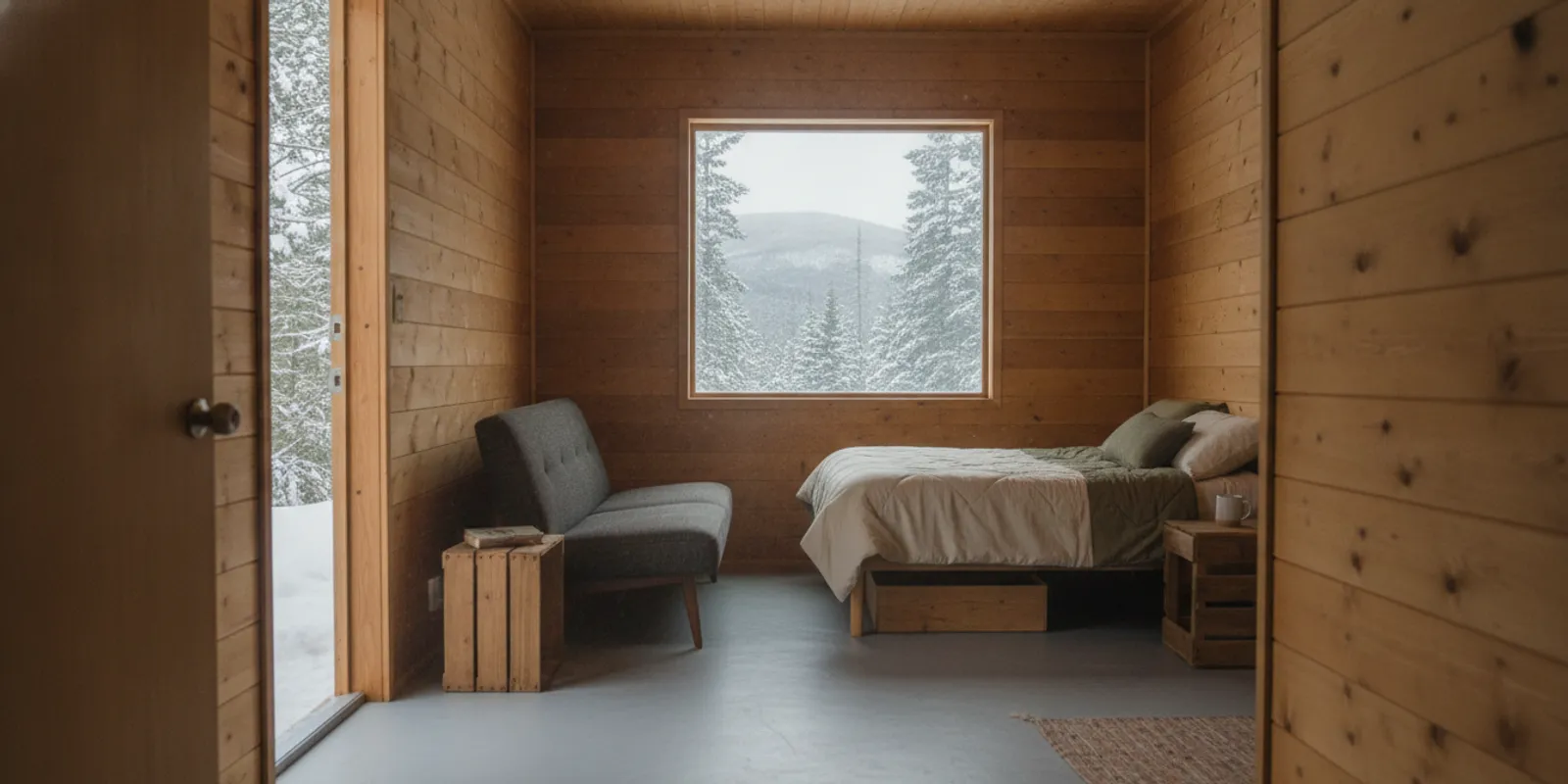
Choosing among portable cabin flooring options starts with a practical question: what will happen on the floor during an ordinary day in your cabin? A quiet guest retreat, a weekend base for outdoor activities, and a hobby space can call for different combinations of comfort, easy care, and durability. Compare the actual product and its installation requirements, not just a flooring category or a sample photo.
Discuss your cabin plans with Legacy Structures
What does your cabin floor need to handle?
Before looking at colors, picture a typical week of use. How many people will come and go? Will they arrive in clean indoor shoes, or step in after gardening, hiking, or working outside? Will a dog use the cabin? Will you carry in supplies, move chairs often, or leave the building closed between visits? The answers help identify the conditions that matter instead of asking one surface to be perfect at everything.
Write down the likely demands and rank them. A useful list can include:
- Traffic: Occasional weekend visits differ from frequent use by several people. Note the paths people will walk most.
- Tracked-in dirt: Grit, leaves, and soil can collect near an entry. Consider where shoes will be removed and where coats or equipment will be set down.
- Spills and damp items: Think about wet footwear, a drink knocked over beside a chair, or gear that needs to dry. Ask what the exact floor can tolerate and how quickly spills need attention.
- Furniture and equipment: Bed frames, table legs, storage bins, and wheeled items create different contact points. Include what you expect to bring inside.
- Comfort and sound: A surface can feel different under bare feet, a chair, or a dropped item. Think about whether people will sleep, relax, or work in the room.
- Care effort: Be realistic about whether you prefer sweeping and wiping, regular vacuuming, or additional product-specific maintenance.
Set priorities in order rather than searching for a hypothetical no-compromise floor. For instance, a cabin used for muddy outdoor weekends may put cleanup and entry protection first, while a guest cabin may put the look and feel of the sleeping area higher. When priorities conflict, you can decide which one matters most before comparing offers.
Which flooring details deserve a closer look?
The broad label—vinyl, laminate, wood, or carpet—does not tell you everything. Products within one category can differ in construction, surface finish, installation method, approved cleaners, and use limits. Ask for the exact product information and read its care guidance. Treat a general description as a starting point, not a substitute for product specifications.
Wear and everyday marks
Consider what may scratch, scuff, or press against the surface. Moving a chair repeatedly is different from placing a bed in one spot. If you plan to bring in a heavy storage chest, ask how to move it without damaging the floor and whether the manufacturer recommends protective pads. Ask whether the finish has particular limits around shoes, pets, or rolling objects. Do not assume a product is scratch-proof or that every finish in a category handles wear alike.
Think about what you would notice most. On a patterned or textured surface, small marks may be less apparent, while a smooth uniform finish can make a particular scuff easier to see. Color and pattern are not a substitute for durability, but they affect how the room looks between cleanings. Ask whether a sample represents the actual finish and whether the product specification identifies the wear characteristics that matter to you.
Moisture and changing conditions
Cabins may have different use patterns throughout the year. Some are occupied often; others stand unused for a stretch. Ask how the exact floor should be handled around spills, damp footwear, ventilation, and changes in indoor conditions. A surface that can be wiped clean is not automatically suitable for every moisture exposure. Confirm the manufacturer's stated limits and the preparation or installation conditions needed for that floor.
Be specific about your plans when asking. Say whether the cabin will be heated during cold periods, whether it may sit vacant, and what happens at the entry on rainy or snowy days. Do not rely on advice for a different material or building. If product instructions do not address your pattern of use, ask the supplier to clarify before you choose.
Comfort, sound, and appearance
Hard surfaces can feel different from softer coverings, especially when a cabin is cool or when you walk barefoot. Rugs may add softness and define a seating or sleeping zone, but they can also collect dirt and need to be moved for cleaning. A rug near an entry may help catch debris, but it should be chosen and cared for in a way that suits the floor beneath it.
Surface, color, and lighting work together. A small sample can look different beside wood walls or in a shaded room than it does in a store. Check a sample in daylight and under the type of lighting you expect to use. If possible, view it beside your planned wall, trim, and furniture colors. Also ask whether the product's sheen or texture changes its cleaning routine.
How do common floor types compare?
This comparison is a question list, not a performance guarantee. Product construction, installation, and the cabin's conditions affect what is suitable. Use it to narrow down what you want to investigate, then confirm each detail for the specific product being offered.
| Floor type to investigate | Why a cabin owner might consider it | Questions to answer before choosing |
|---|---|---|
| Vinyl or other resilient flooring | A buyer may want a finished look and a straightforward routine for ordinary cleanup. | What moisture exposure is allowed? What surface preparation, cleaning products, and care steps does this exact product require? |
| Laminate | It can provide a consistent decorative appearance in a compact interior. | How should spills be handled? What conditions are not suitable, and what does the installation guide say about the base? |
| Engineered wood | It offers a wood appearance in a layered product construction. | What humidity, scratch, cleaning, and refinishing guidance applies to this product? |
| Solid wood | A natural wood surface may fit a warm, cabin-style room. | What finishing and ongoing care are needed? How should changing indoor conditions be managed? |
| Carpet or area rugs | A softer surface can help define a sitting or sleeping area. | How will you remove soil and deal with spills? How will the material dry, and where is it practical to use? |
When you compare two products, keep the questions consistent. Ask each supplier for the product name or specification, the recommended cleaning routine, and any limitations. If one proposal describes a category while another identifies an exact product, request equivalent detail before deciding. Otherwise, you may be comparing a general impression with a verified specification.
How should the cabin's intended use shape the choice?
Use a few realistic scenarios to test the shortlist. Imagine the floor after a busy day rather than judging it only while the room is empty and newly finished.
A guest or weekend cabin
If you expect occasional stays, ask what will make the room comfortable for guests and easy for you to reset afterward. Consider a defined place for shoes, a washable entry mat if appropriate for the selected surface, and a clear route from the door to the sleeping area. If guests may bring children or pets, include their likely activities in your questions. A pretty surface that requires more careful treatment may still be a good fit if you are comfortable following its instructions.
A cabin used after outdoor activities
For a cabin used after walking, gardening, or recreation, pay special attention to the entry and the path to storage or washing areas. A boot tray, mat, or designated spot for wet gear can help organize the routine, but check that any mat or backing is compatible with the flooring. Ask how the chosen surface should be cleaned after soil or water is tracked in. Think about where you can pause to remove footwear without blocking the door or walkway.
A hobby or flexible-use room
If the cabin will also serve as a work or hobby area, list the tools, chairs, tables, and supplies that may be brought inside. Consider whether items have sharp feet, can leak, or need to be moved regularly. Ask about protective pads and safe ways to shift heavier pieces. If an activity creates dust or small debris, identify how you will sweep or vacuum the floor without using tools or cleaners the manufacturer discourages.
A simple floor plan makes these examples more concrete. Measure the room and mark the bed, table, storage, and door swing. Draw the most-used walking route. Then note the areas where people remove shoes, sit, or place equipment. This can show where a rug or protective mat might help and whether a particular surface will be exposed to more traffic than you first expected.
If you are still comparing the building itself, review the available portable cabin options and keep a list of layout and finish questions. A floor choice makes sense only in the context of the space and features you are considering.
What is under the finished surface?
The visible flooring is one part of a floor system. Ask what subfloor is included, whether any surface preparation is needed, how the finish is installed, and how transitions or trim are handled. A product's installation directions may specify requirements for the base and the conditions during installation. The exact details should be checked for the product and cabin under consideration.
Ask who is responsible for each step. For example, clarify whether the stated floor finish is already installed, whether any later work is expected from you, and what is included in the building configuration you are discussing. These questions help avoid assumptions about what a general product label means. If you see a seam, transition, or edge in a sample display, ask how that detail will be treated in your actual cabin.
For general consumer guidance on evaluating flooring, Consumer Reports' flooring buying guide advises comparing samples and considering consistency. Apply that broad advice alongside the exact product specifications and installation directions; a sample alone cannot establish suitability for a particular cabin.
Also discuss how the portable building will be supported and set up at its site, separately from the flooring finish. A prepared pad, deck, blocks, or another suitable above-ground arrangement may be considered depending on the site and building requirements. Ask what preparation is expected, who handles it, and whether leveling or local approvals need to be addressed. Do not assume site work is included; confirm the plan and applicable instructions before delivery.
How can you compare samples and care routines?
Use the same process for each flooring option so you can compare like with like. Samples are useful for color and texture, but they cannot replace information about installation, care, or use limits. Make a small comparison sheet and keep the answers together.
- Identify the exact product. Record the manufacturer or product specification and finish, if available. A broad label such as “wood-look” does not tell you how the floor is constructed.
- Check the care instructions. Write down how to sweep, vacuum, wipe, and handle spills, along with any cleaners or tools to avoid.
- Ask about installation conditions. Confirm the subfloor requirements, preparation, transitions, and any product-specific limits that affect the cabin.
- Describe your real use. Mention seasonal vacancy, damp footwear, pets, equipment, and expected traffic instead of asking only whether a floor is “durable.”
- Compare the effort over time. Consider the routine you can sustain. A finish that looks ideal but needs care you will not perform may not be the practical choice.
- Check the sample in the room's context. View it in more than one light and beside the colors and furnishings you expect to use.
- Keep a record of open questions. Ask for clarification in writing when an answer about moisture, warranty, or installation is unclear.
For example, suppose two samples both look right in a small room. One has care guidance that calls for prompt attention to spills, while the other has a different approved cleaning routine. Do not guess which is more forgiving; compare the written instructions with your actual use. If the cabin will be unused for weeks at a time, ask both product providers the same question about the conditions to maintain. The answer may rule one option in or out, or it may reveal that more information is needed.
Use the same comparison discipline when reviewing cabin configurations. You can check the current building inventory for examples to discuss, then ask which details apply to the particular cabin you are considering. Inventory can change, so verify the configuration and included features rather than assuming a display or listing answers every flooring question.
What should you ask before choosing a floor?
Bring a short, focused question list to a conversation about the cabin. The goal is to understand what is offered and what you would need to do, not to rely on a broad claim that one material is best for every buyer.
- What exact flooring material, product, and finish are included in this configuration?
- What subfloor is beneath it, and what preparation is required for installation?
- What cleaning products, tools, and protective measures does the manufacturer recommend?
- How should the floor be protected during setup, furnishing, and moving furniture?
- Are there restrictions around moisture, indoor conditions, temperature, or periods when the cabin is unused?
- What does the applicable flooring warranty cover, and what conditions or maintenance requirements may affect it?
- Are transitions, edge details, or trim included, and how are they handled?
- What site preparation and above-ground support does the building require, and who is responsible for each item?
- Which details are standard for the cabin and which depend on the particular selection?
Keep the answers next to your shortlist. If a response is vague, ask for the relevant product guidance or a more specific explanation. If two suppliers describe different installation assumptions, write those differences down before comparing the products. This can prevent a preference about color from distracting you from an unresolved question about care or compatibility.
You can learn more about Legacy Structures and its portable building business, or check contact information to plan a conversation. Bring your room sketch and prioritized list so that questions about use, layout, and the floor can be discussed together.
How can you compare two finalists side by side?
When two floors remain on your list, compare them against the same few situations rather than switching criteria from one product to the next. Make a simple grid with a row for each priority—care, expected traffic, comfort, appearance, and installation requirements—and a column for each product. Record a specific answer in each box, or mark it as a question still to resolve. Avoid assigning a high score just because a product sounds durable; note the evidence, such as the care sheet or stated use limits, that supports your judgment.
Then walk through a normal day. Picture arriving with damp shoes, setting down a bag, moving a chair, and cleaning up a small spill. For each finalist, check whether you know what the maker recommends for that situation. Next imagine the cabin closed between visits: identify what you need to confirm about indoor conditions and preparation during vacancy. Finally, look at the samples in the planned room light and beside the colors you expect to use. This does not test long-term performance, but it can reveal appearance or comfort issues before you choose.
If one product appears to fit better but an important answer is missing, keep it as a provisional choice rather than treating an assumption as fact. Ask the same follow-up question about both products. A side-by-side comparison is most useful when it separates what you know, what you prefer, and what still needs verification.
How do you make a practical final choice?
Choose by filtering, not by trying to find one universal winner. First eliminate products whose stated conditions do not fit your expected use. Next compare care requirements and installation details. Then look at comfort, texture, color, and how the sample works with your cabin layout. If two options remain close, consider which set of instructions you are more likely to follow consistently.
A quick decision worksheet can keep the choice grounded:
- Must have: List the two or three needs the floor cannot compromise, such as a manageable cleanup routine or a specified appearance.
- Good to have: Note preferences that matter but can bend, such as a particular shade or texture.
- Need to verify: Record unanswered questions about installation, moisture, care, and warranty terms.
- Use plan: Describe who uses the cabin, when it is occupied, and what comes through the door.
- Care plan: Be clear about who will clean the floor and how often you can realistically maintain it.
As a worked example, imagine a cabin that is used on some weekends and receives muddy shoes after outdoor activities. The first priorities might be a practical entry routine and an easy-to-follow cleaning process. The buyer would compare the manufacturer's spill and cleaning directions, consider a suitable place for boots, and check how a mat may interact with the product. Comfort and appearance still matter, but only after the intended use and care instructions are understood. A different buyer using the cabin as a quiet guest room might rank softness, color, and a simple reset routine more highly.
Before deciding, review the exact building configuration, floor product, subfloor, care guidance, and site setup together. Legacy Structures offers portable cabins for buyers to explore; you can review the portable cabin selection and ask which available details fit your plans. Confirm product-specific information rather than assuming every cabin or floor has identical specifications.
Call Legacy Structures at 518-544-2889 to discuss your cabin plans and flooring questions.
Call 518-544-2889 to talk through your options
Frequently asked questions
Which flooring is easiest to clean in a portable cabin?
There is no answer that applies to every product. Compare the exact manufacturer's instructions for routine dirt, spills, approved cleaners, and protective measures. Also consider what enters through your cabin door and whether you can follow the recommended routine.
Is one floor type best for a seasonal cabin?
No single type is automatically best. The product's stated conditions, the cabin's indoor environment, and the way you prepare it during periods of non-use all matter. Ask the flooring provider about the exact product and describe how often the cabin will be occupied.
Should I plan the floor before arranging furniture?
Plan them together. Furniture location and walking routes affect where wear, dirt, and spills are most likely. A simple sketch can help you decide where rugs or protective pads might be useful and what questions to ask about the floor.
What should I confirm before ordering?
Confirm the product and finish, subfloor and installation details, care instructions, relevant warranty terms, and any restrictions related to your use. Separately clarify the building's site preparation and support requirements, including who is responsible for the work.
A careful comparison connects the flooring choice to the way you will use and maintain the cabin. Gather the product details, test samples in context, and resolve setup questions before settling on the finish.