
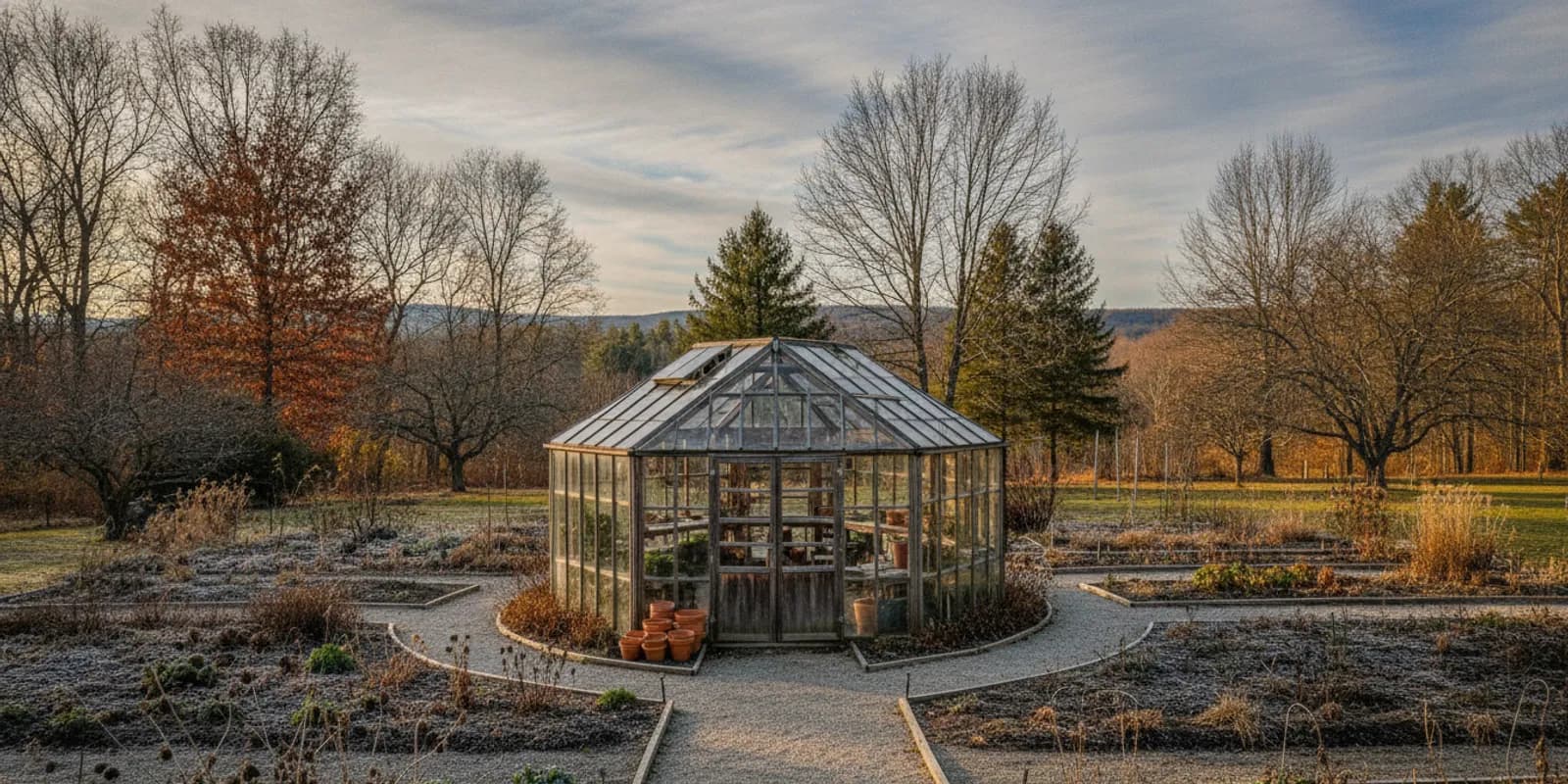
An outdoor greenhouse can extend your growing season, protect plants from changeable weather, and give you a dedicated place to work. The best choice starts with the site: look for dependable sunlight, room to move around the building, manageable drainage, and a plan for winter conditions. Then match the greenhouse size and layout to what you actually want to grow.
What should you plan before choosing an outdoor greenhouse?
Think about the whole growing setup, not just the building footprint. A greenhouse needs a workable place to sit, a clear route for bringing in supplies, and enough space around it for everyday care. A site that looks convenient from the kitchen window may be shaded, difficult to reach in winter, or awkward to maintain.
Start with four decisions:
- Purpose: Decide whether you want to start seedlings, shelter tender plants, grow through more of the year, or create a dedicated gardening workspace.
- Scale: Estimate the number and types of plants, plus room for shelves, tools, watering supplies, and a comfortable path.
- Site: Check sun, shade, wind exposure, ground conditions, drainage, and access in more than one season.
- Winter routine: Consider snow, ice, cold-weather access, and how you will check the structure after storms.
These choices connect. A larger greenhouse may be useful for more growing space, but it also needs a larger clear area and a practical route to the door. A sunny corner may be appealing in spring but inconvenient if snow piles up along its only access path. Work through the details before settling on a model.
Where should an outdoor greenhouse sit?
Choose a location that receives useful light for the plants you plan to grow and remains accessible through the year. Observe the proposed area in the morning, midday, and afternoon. Nearby trees, fences, houses, and outbuildings cast shadows that move with the sun. A spot that appears bright during one visit may spend much of the day in shade.
Also look upward and outward. Overhanging limbs can drop leaves and branches, while nearby structures can block light or affect airflow. Consider how wind moves across the property and whether the site is exposed to drifting snow. Avoid placing the greenhouse where it will obstruct a regular path, driveway, or planned garden expansion.
How can you evaluate sunlight?
Keep a simple observation log for a few days. Note when direct sun reaches the site and when shadows cover it. If the area is shaded by deciduous trees, remember that the pattern changes after leaves fall. Think about the growing calendar, too: low-angle winter sun behaves differently from bright summer sun.
Sunlight needs depend on what you intend to grow, so there is no single perfect orientation for every property. Rather than relying on a general rule, map your actual light conditions and bring those notes into the buying conversation. If the site receives uneven light, consider whether moving the greenhouse to a more open area is possible before trying to compensate with a different layout.
What should you check around the site?
- Access: Leave a practical route from the house, driveway, or garden. Think about carrying potting materials and moving plants in and out.
- Door clearance: Make sure the entrance will not open into a fence, hedge, stored equipment, or a snow-storage area.
- Water: Identify how you will carry or deliver water. Do not assume a convenient hose connection will be available at the chosen spot.
- Drainage: Watch the area during rain or snowmelt. Avoid a low spot where water regularly collects.
- Future use: Leave room for garden beds, paths, equipment, and other planned outdoor projects.
A greenhouse should sit on a stable, appropriately prepared surface and remain above surrounding ground rather than being embedded in it. Ask what site preparation is appropriate for the specific building and property. A level gravel pad, deck, or other suitable support may be considered depending on conditions; do not assume one surface is right for every site. For help exploring available greenhouse options, compare the building dimensions with your measured site.
How much space do you need around a greenhouse?
Measure the outside footprint, then add working space. You may need room to open doors, walk around the building, clear snow, reach exterior surfaces, and bring in materials. The area immediately around the greenhouse affects how easy it is to use, especially when plants are growing and supplies accumulate.
Inside, sketch the activities you expect to do. A few containers for starting seedlings need a different setup from rows of larger plants. Mark the entrance, any planned shelving, and a walkway on paper. If you cannot move through the layout comfortably on the sketch, the real space may feel cramped once pots and tools are in place.
Use a simple planning exercise:
- Write down the main crops or plants you expect to grow.
- Estimate how many containers or growing areas you will use at one time.
- Mark a clear path from the door to the areas you need to reach.
- Set aside a place for tools and frequently used supplies.
- Compare the plan with the greenhouse dimensions and the available outdoor footprint.
Allow for change. Seed trays may be the priority in spring, while larger pots or overwintering plants take up space later. A layout that supports more than one task can be more useful than filling every inch with fixed shelving. For examples of how compact growing areas can be planned, see this guide to greenhouse planning topics and consider how your own routine differs.
How should you plan the greenhouse around your routine?
Make a short list of the tasks you expect to do in a typical week. Starting seeds may mean handling trays and small tools at a work surface. Watering a collection of pots calls for a route that lets you reach each container without stepping over hoses or moving plants. If you expect to bring plants inside during a cold spell, leave enough room at the entrance to carry them through without knocking into shelves.
Next, separate daily-use items from occasional supplies. Put the things you reach for often near the entrance or work area, while keeping bulky items out of the main path. A narrow aisle can look adequate on a drawing but become inconvenient when a watering can, tray, and open door all occupy the same space. Sketch these objects to scale, or mark the approximate greenhouse footprint outdoors and walk through your proposed route.
Consider who will use the building, too. A setup that works for one gardener may need a wider route if two people often work inside together. Think about where you will stand to pot plants, where a container can be set down, and how you will carry supplies in from the nearest access point. These practical details help you decide whether to prioritize more growing area, a clearer aisle, or a dedicated work zone.
How do you prepare the ground and manage water?
Walk the site after a substantial rain and again during a thaw if possible. Notice where water flows, where it ponds, and whether the surrounding ground slopes toward the proposed building. Good drainage matters for day-to-day access as well as the condition of the growing area.
Do not choose a location solely because it is flat today. Look for signs of soft ground, standing water, or runoff from a roof, driveway, or higher part of the yard. Plan how surface water will move around the building without creating a muddy approach or directing water toward a neighboring property.
Site preparation depends on local conditions and the building. Before ordering, ask what surface and access conditions are needed, how level the area should be, and whether the site needs work before delivery. Legacy Structures offers site evaluation and preparation guidance, and its contact page is a starting point for discussing your property. Take photos and measurements so the conversation can focus on the real site rather than a guess.
How can you test a location before ordering?
A quick site test can reveal problems that are easy to miss during a brief look. Mark the proposed corners with stakes or other visible markers, using the greenhouse's stated exterior dimensions. Then walk the perimeter. Check whether the door side has room to open, whether the path from the house remains clear, and whether you can get around the back and sides for ordinary care.
Repeat the walk after rain and in the season when you expect to use the greenhouse most. Notice whether water crosses the marked footprint or gathers on the approach. Look at the site at different times of day, and note where shadows fall rather than relying on a single snapshot. If there is a slope or a tight delivery route, take photographs from several angles and ask about site requirements before deciding that the spot is ready.
Finally, check the route from the road to the location. Gates, turns, low branches, parked vehicles, and narrow passages can affect how a building reaches its final position. Keep a simple list of obstacles and clearances to discuss. Even when the site itself seems suitable, the delivery path may need attention before the planned date.
What should Upstate New York gardeners consider in winter?
Winter planning belongs in the buying decision, even if you expect to use the greenhouse mainly in spring and summer. Snow can affect the structure and block doors or paths. Cold weather may limit how often you can visit, so think about access, routine checks, and whether your growing goals continue into the colder months.
Look at the roof shape and the information available for the building you are considering. University of Illinois Extension notes that a peaked roof is worth considering for a home greenhouse in a snowy climate because its shape can help snow slide off. That is one factor, not a substitute for checking the manufacturer's specifications, local conditions, or care guidance. Read the Extension's winter greenhouse guidance and ask what winter upkeep is appropriate for the greenhouse under consideration.
Plan a realistic storm routine. Decide how you will check the building after heavy snow or high winds, where cleared snow can go, and how you will reach the door. Do not pile snow where it blocks access or presses against the structure. Keep nearby branches in mind, and consider whether the building will be easy to inspect without crossing an icy or steep area.
If you want to grow during colder months, distinguish between protecting plants from outdoor weather and maintaining a specific indoor temperature. A greenhouse alone does not promise a particular temperature or growing result. Your plans depend on the greenhouse, weather, sunlight, plant selection, and any growing equipment you choose. Be clear about what you want to achieve and ask what the building itself can and cannot provide.
What should a practical winter plan include?
Write down what you will do when snow or wind is forecast, who will check the greenhouse, and how you will reach it safely. Identify where you can move cleared snow without blocking the entrance, a driveway, or drainage routes. If the structure is away from the house, consider how you will get to it after a storm when paths may be slick or partly covered.
Also decide whether the greenhouse will be active, lightly used, or closed for the coldest part of the year. Each plan has different demands. Active winter growing means checking conditions and plants more often; seasonal storage still calls for occasional inspection and accessible doors. Ask for the building's care guidance, and base your schedule on those directions and the conditions at your property, not on a promise of a particular indoor climate.
How can you compare greenhouse choices?
Compare options against your site and routine instead of choosing by appearance alone. These questions can help organize the decision. Specific features and availability vary, so confirm details for the model you are considering.
| Planning area | What to compare | Question to ask |
|---|---|---|
| Footprint | Building dimensions and space for access around it | Can the greenhouse fit without crowding paths or future garden plans? |
| Light | Daily sun and seasonal shade at the chosen site | Does this location suit the plants and season I have in mind? |
| Layout | Entrance, shelves or benches, and a usable walkway | Can I reach plants and supplies without blocking the main path? |
| Ground and drainage | Level surface, runoff, and delivery access | What preparation is needed for this property and building? |
| Winter use | Roof shape, snow access, and recommended upkeep | What should I check after a storm, and what is the care guidance? |
| Delivery planning | Route from the road to the selected location | Is the route wide and clear enough for delivery and placement? |
Use the comparison to identify unanswered questions rather than making assumptions. Confirm the building's dimensions, what is included, how site readiness is assessed, and what delivery and installation involve. If you are comparing an available unit with a custom plan, ask which details can be changed and which are fixed. A clear answer now makes it easier to judge whether the greenhouse fits both your property and your growing plans.
What should you ask before ordering?
Before choosing a greenhouse, gather the details that affect fit, site work, and regular use. A short checklist helps keep a sales conversation practical:
- What are the building's exterior dimensions, and how much clear area should I leave around it?
- What site surface and preparation are recommended for this particular building?
- How should I evaluate drainage and the route to the proposed location?
- What delivery access is needed, and what should be moved before delivery?
- What materials, features, or options are included in the model I am considering?
- What routine care should I plan for through the seasons?
- What winter checks are appropriate, including after snow or wind?
- How does the greenhouse's layout work for the plants and equipment I intend to use?
It can help to bring a rough site plan, measurements, and a few photos. Note nearby buildings, trees, fences, slopes, and the easiest route from the road. If your property has a difficult access point or drainage concern, point it out early so it can be discussed before you settle on a location.
What details are easy to overlook?
Small obstacles can affect daily use even if they do not prevent delivery. Check where doors and gates swing, whether a hose or water container can reach the growing area, and where tools will go when they are not in use. Notice whether the site is close to a path that collects runoff or a roof edge that sheds snow and water. These observations can help avoid choosing a spot that looks ideal but creates a recurring chore.
Also verify the practical details that depend on the specific building. Ask which dimensions are exterior measurements, what surface is appropriate, and what needs to be ready before delivery. Confirm what features are included rather than assuming that a pictured shelf, bench, or accessory comes with the greenhouse. Put the answers beside your site notes so you can compare options consistently.
How do you make a final outdoor greenhouse plan?
Bring your choices together in this order: identify your growing goals, observe the light, measure the site, sketch the interior, and review drainage and winter access. Then compare the greenhouse dimensions and specifications with your notes. This approach keeps the decision grounded in how you will use the space instead of relying on a photo or a single feature.
For a local buyer, it is also useful to consider delivery and site conditions before committing. Legacy Structures is based in Hudson Falls and offers greenhouse options; its current building inventory can help you see what is available. Inventory can change, so confirm current details and ask about a specific unit before making plans around it.
Share your intended use, preferred location, and questions about preparation. A focused conversation can help clarify which details need attention and what to verify next. If your plan is not ready, take the time to observe the site through different weather and sunlight conditions before making a final choice.
Call Legacy Structures at 518-544-2889 to discuss greenhouse options and site questions.
Frequently asked questions
How much sun does an outdoor greenhouse need?
It depends on the plants and the season you have in mind. Track sunlight at the proposed site at different times of day, and account for shade from nearby trees and buildings. Use those observations when comparing locations and greenhouse layouts.
Can I place a greenhouse on any flat area?
Not necessarily. The surface should be suitable for the building, and the area should be evaluated for levelness, drainage, and delivery access. Ask what preparation is recommended for the specific greenhouse and your property. Keep the building sitting above ground on an appropriate support rather than embedding it.
Should I plan for snow even if I will not grow in winter?
Yes. Snow and ice can affect access and upkeep whether or not plants are growing inside. Consider roof information, where snow can be cleared, how you will reach the door, and what checks are recommended after storms.
What should I bring when asking about a greenhouse?
Bring the approximate site dimensions, photos, notes about sun and drainage, and a list of what you want to grow. Also note the route from the road and any obstacles. Those details make it easier to discuss fit, preparation, and delivery questions.
A little planning before you order can make an outdoor greenhouse easier to place, reach, and use throughout the year. Start with your property and growing goals, then compare building options against the conditions you have actually observed.