
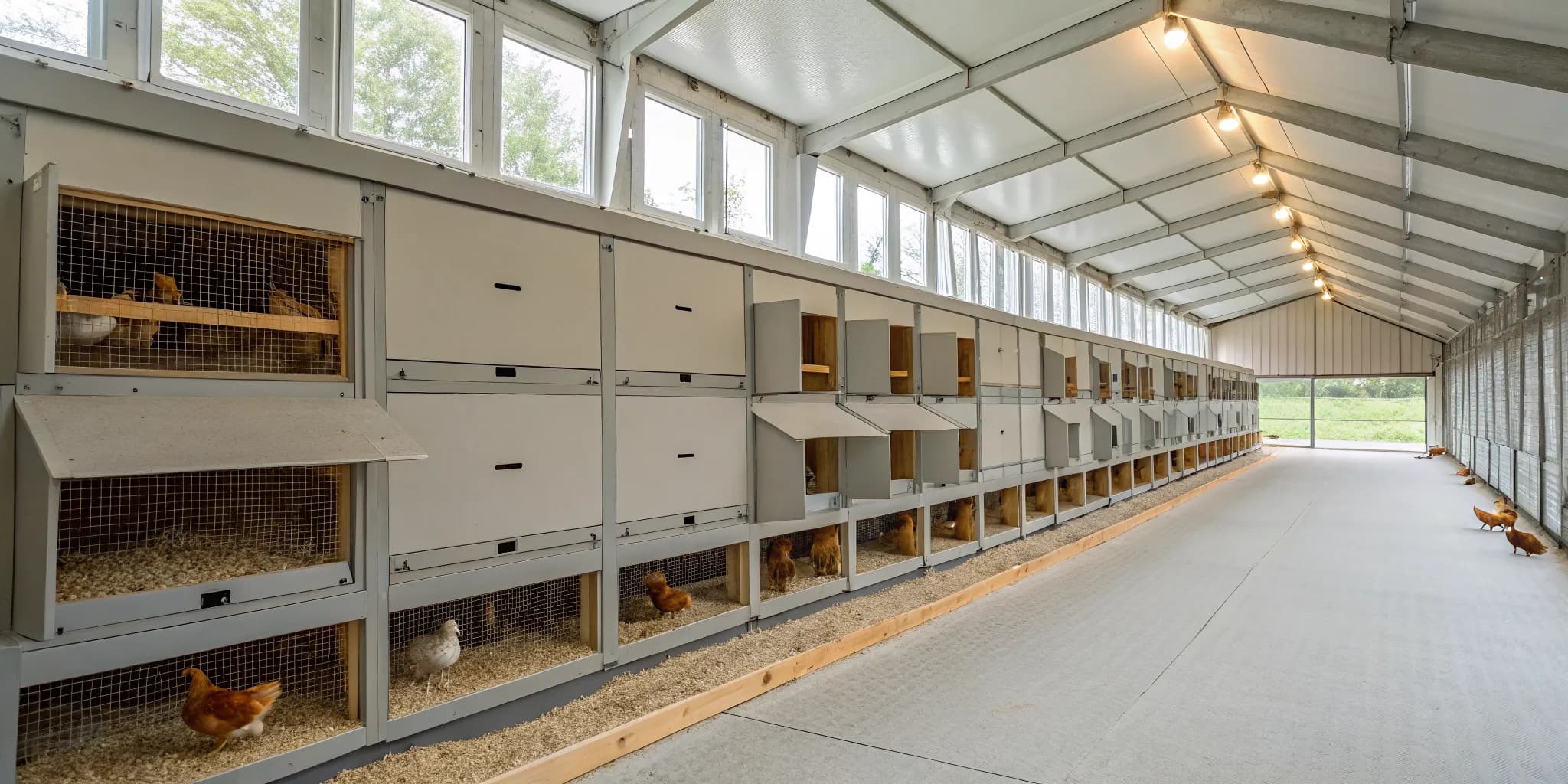
Your hens have specific needs when it comes to laying their eggs, and they aren’t shy about finding a new spot if their current one isn’t up to snuff. They’re looking for a place that feels quiet, dark, and safe from predators and the general hustle of the flock. Think of it as their private bedroom, designed for one purpose. When they feel secure and comfortable, they are more likely to lay consistently. Understanding these natural instincts is the key to a successful coop. By creating the perfect nesting boxes inside chicken coop, you’re not just managing your flock; you’re partnering with them. This guide will help you create a five-star laying retreat that your hens will choose every single time.
Key Takeaways
- Follow the rules of placement and quantity: Provide one nesting box for every four hens and place them in a quiet, low-traffic corner of the coop. Critically, always install the boxes lower than the roosting bars to prevent them from becoming a messy bedroom.
- Make the boxes inviting with bedding and privacy: A deep layer of clean bedding, like pine shavings or straw, creates a comfortable cushion for eggs. You can also add a simple curtain over the entrance to provide the dark, private space that hens naturally seek for laying.
- Establish a simple cleaning schedule: For cleaner eggs and healthier hens, collect eggs daily to prevent breakage. Spot-clean any messes as you see them and plan for a full bedding change whenever it becomes damp or soiled.
What Is a Nesting Box?
Think of a nesting box as a private, cozy bedroom for your hens, designed specifically for laying eggs. It’s much more than just a simple box; it’s a dedicated space that signals to your flock, "This is the safe, comfortable spot to be." Providing these is one of the best things you can do for your hens' well-being and for making your egg-collecting routine a breeze. A well-designed chicken coop will always include thoughtfully placed nesting boxes, as they are an essential part of a happy, productive flock. Investing in a quality setup from the start ensures your hens have everything they need.
Why Your Hens Need a Private Place to Lay
Giving your hens designated nesting boxes creates a consistent, private place for them to lay their eggs. This simple feature makes your life so much easier because you'll always know where to look for fresh eggs instead of going on a daily scavenger hunt. It also keeps the eggs much cleaner and safer. When eggs are laid on the coop floor, they can get dirty, stepped on, or even eaten by other chickens. A dedicated nest helps you collect pristine eggs every time. This not only improves the quality of your harvest but also reduces waste and the potential for messy cleanups, which is a huge win for any chicken keeper.
How Nesting Boxes Encourage Better Egg Production
A good nesting box does more than just contain eggs; it actively encourages your hens to lay. Chickens are naturally inclined to seek out quiet, dark, and safe places for laying. When they feel secure, it helps promote lower stress levels, which is directly linked to consistent egg production. A stressed hen might hold her eggs or even stop laying entirely. By providing the perfect private spot, you’re creating an environment where your hens feel content and can do what they do best: provide you with a steady supply of healthy, delicious eggs for your family.
How Many Nesting Boxes Do You Need?
Figuring out the right number of nesting boxes can feel like a tricky math problem, but it’s simpler than you think. While it might seem logical to give every hen her own private box, chickens are actually happy to share. You’ll often find they have a favorite spot and will patiently wait their turn for it. Getting the number right from the start helps create a calm and productive environment for your flock, which means less stress for them and easier egg collection for you. A well-designed coop with enough space for the right number of boxes is the foundation for a happy, healthy flock and a steady supply of fresh eggs.
Calculate the Right Number for Your Flock
A good rule of thumb is to provide one nesting box for every four hens. So, if you have a flock of 12 chickens, you’ll want to have three or four boxes available. You’ll quickly notice that your hens will likely pick a favorite box or two and share them, but having enough options prevents anyone from having to wait in line. When you’re planning your setup, make sure your chicken coop has enough room to comfortably fit the right number of boxes for your flock size without feeling cramped.
What Happens When There Aren't Enough Boxes?
If you don't have enough nesting boxes, things can get a little chaotic. Hens might start laying eggs on the floor of the coop, where they can get dirty, stepped on, or broken. You might also see crowding around a single box, which can lead to stress and competition among your hens. A stressed-out chicken is less likely to lay consistently. If your hens can’t find a comfortable, designated spot, they’ll lay their eggs wherever they feel safe, which could be in a dusty corner or hidden outside. Providing enough boxes encourages them to lay in one clean, easy-to-access place.
Choosing the Best Size and Material for Your Boxes
Once you know how many nesting boxes you need, the next step is to pick the right size and material. This decision matters more than you might think. The goal is to create a space that feels safe, private, and comfortable for your hens. If they don't like their nesting boxes, they’ll find other places to lay their eggs, like in a corner of the coop or under a bush in the yard. That means more work for you and potentially lost or dirty eggs.
Choosing the right size ensures your hens feel snug but not cramped, while the material affects everything from cleanliness to durability. Let's walk through the best options so you can create the perfect egg-laying retreat for your flock.
Standard Dimensions for Most Breeds
For most common chicken breeds, like Leghorns, Australorps, and Plymouth Rocks, a standard-sized nesting box works perfectly. A good rule of thumb is to aim for a cube that is about 12 inches wide, 12 inches high, and 12 inches deep. This gives a single hen enough room to get in, turn around, and settle down comfortably.
You want the box to be cozy enough to feel secure, but not so spacious that your hens are tempted to sleep in it overnight. A box that’s too large might also encourage two hens to try and squeeze in at the same time, which can lead to broken eggs. The 12x12x12 inch dimension is the sweet spot for encouraging proper laying habits.
Sizing Up for Larger Hens
If your flock includes bigger birds, you’ll want to give them a little extra space. Breeds like Orpingtons, Jersey Giants, Cochins, and some Rhode Island Reds will appreciate a roomier nesting box. For these larger breeds, a box that is 14 inches wide, 14 inches high, and 12 inches deep is a much better fit.
Forcing a large hen into a small box can make her feel cramped and stressed, which might discourage her from using it at all. Providing an appropriately sized box ensures she feels secure and comfortable enough to lay her eggs there every day. Think of it as giving your biggest girls an upgrade to first class; they’ll definitely appreciate the extra legroom.
Wood Nesting Boxes
Wood is the traditional and most common material for nesting boxes, and for good reason. It’s sturdy, durable, and provides natural insulation, keeping the boxes a little warmer in the winter and cooler in the summer. Many high-quality chicken coops come with wooden nesting boxes already built-in, which is a huge convenience.
If you’re building your own, you can easily construct them from plywood or standard lumber. The main downside to wood is that it’s porous, which means it can be harder to clean and sanitize. Over time, it can also harbor mites or other pests if not maintained properly. Regular cleaning and fresh bedding are key to keeping wooden boxes healthy for your flock.
Plastic Nesting Boxes
If easy cleaning is your top priority, plastic nesting boxes are an excellent choice. Unlike wood, plastic is non-porous, so it won’t absorb moisture or harbor bacteria and mites. A quick wipe-down or spray with a hose is usually all it takes to get them sparkling clean. They are also incredibly durable and won't rot or degrade over time.
You can find pre-made plastic nesting boxes at most farm supply stores, and they are simple to install inside your coop. While they may not have the same rustic charm as wood, the convenience and hygiene benefits are hard to beat. For busy chicken keepers, plastic offers a practical, low-maintenance solution.
Creative DIY and Repurposed Materials
You don’t have to spend a lot of money to create effective nesting boxes. With a little creativity, you can repurpose everyday items into cozy spots for your hens. Old milk crates are a popular choice; just turn one on its side to create an instant nesting nook. Five-gallon buckets, also placed on their side, work just as well.
Other ideas include old wooden crates, sturdy wicker baskets (line them for easier cleaning), or even drawers from a discarded dresser. The most important things are that the item is safe, free of sharp edges, and appropriately sized for your hens. This resourceful approach is not only budget-friendly but also adds a unique, personal touch to your coop.
What's the Best Bedding for a Nesting Box?
Choosing the right bedding for your nesting boxes is like picking out the perfect mattress. You want something that is comfortable, clean, and makes your hens feel safe. The right material encourages them to lay in the boxes, which keeps eggs clean, protected, and easy for you to collect. Think of it as the final touch that turns a simple box into a cozy haven. The most common and effective options are straw, wood shavings, and hay. Each has unique qualities, and the best choice often depends on your local climate, availability, and even your hens’ personal preferences. A well-designed structure, like our dedicated chicken coops, provides the perfect setting for creating a clean and inviting nesting area that makes daily upkeep simple. Ultimately, the goal is to provide a deep, soft, and dry cushion that your flock will be happy to settle into.
Straw
Straw is a classic and popular choice for nesting box bedding, and for good reason. It’s soft, provides excellent cushioning for eggs, and gives the nesting box a cozy, comfortable feel that hens love. This cushioning is great for preventing cracks, so you can collect more intact eggs. Straw also allows for good air circulation, which helps keep the nesting area from getting too stuffy. It’s generally easy to find at local farm supply stores and is relatively inexpensive. When you're setting up your coop, filling the nesting boxes with a generous layer of fresh straw is a simple way to make your hens feel right at home.
Wood Shavings
Wood shavings are another fantastic option for your nesting boxes. Their main advantage is absorbency. They do an excellent job of soaking up moisture and odors, which helps keep the nesting area clean, dry, and fresh. This is crucial for preventing bacteria growth and keeping your hens healthy. Look for pine shavings, but avoid cedar, as the strong oils can be irritating to chickens. Hens appreciate the soft texture, and the shavings help keep eggs clean by absorbing any muck before it sticks to the shell. A deep layer of wood shavings creates a comfortable and hygienic spot for your hens to lay.
Hay
Many people use hay and straw interchangeably, but they are different. Hay is grass that has been cut and dried for animal fodder, while straw is the leftover stalk from harvested grains. Hay can be used as bedding, and its soft texture creates a very cozy nest. It also provides some insulation, which can be helpful during cooler months. However, it’s important to be careful with hay. Because it's more leafy and dense than straw, it can retain moisture and is more prone to getting moldy if it gets wet. If you choose to use hay, make sure it is completely dry and change it out frequently.
How Often Should You Change the Bedding?
Keeping the nesting boxes clean is one of the most important parts of chicken care. Hens are surprisingly particular and prefer to lay their eggs in a clean, private spot. You should check the boxes daily when you collect eggs and spot-clean any droppings or soiled bedding. A full bedding change should happen whenever it starts to look damp, compacted, or dirty, which might be weekly or every few weeks depending on your flock. Clean bedding not only encourages your hens to use the boxes but also protects your eggs and prevents the spread of bacteria. A well-built coop with easy access makes this regular chore much simpler.
Where to Place Nesting Boxes in Your Coop
Where you put your nesting boxes is just as important as what they’re made of. Hens are particular about where they lay their eggs, and they’re looking for a spot that feels safe, private, and clean. The right placement encourages them to lay in the boxes instead of a random corner of the coop, which means cleaner eggs and easier collection for you. A well-designed chicken coop will make this simple, giving you the perfect foundation for a happy, productive flock.
Find the Right Height and Position
Your nesting boxes should be installed about 18 to 24 inches off the floor. This height keeps them away from ground-level moisture and drafts while still being easily accessible for your hens. Placing them in a quiet, darker corner of the coop, away from the main door and high-traffic areas, gives your hens the security they crave. A hen that feels safe is more likely to settle in and lay her egg without stress. Think of it as creating a peaceful little retreat for them, separate from the social hustle and bustle of the main coop area.
Keep Nesting Boxes Away from Roosting Bars
This is a big one: never place your nesting boxes higher than your roosting bars. Chickens have a natural instinct to sleep in the highest spot they can find. If your nesting boxes are the highest point in the coop, your hens will start sleeping in them. This means you’ll be dealing with poop-covered boxes and dirty eggs every morning. To prevent this, always install your roosting bars higher than the nesting boxes. This simple rule helps your chickens understand that nesting boxes are for laying, and roosts are for sleeping.
Ensure Privacy and Low Light
Hens instinctively seek out dark, private places to lay their eggs, as it makes them feel protected from predators. You can easily create this environment by positioning the boxes away from direct sunlight or bright lights. For an extra layer of privacy, try adding small curtains to the front of the boxes. A simple piece of burlap or scrap fabric tacked over the opening works perfectly. This not only makes the box more inviting for a shy hen but can also help prevent other chickens from seeing and pecking at freshly laid eggs.
Separate Nests from Food and Water Stations
Keep your nesting boxes away from your flock’s food and water stations. The area around feeders and waterers tends to be a busy spot, and spills are common. Placing nesting boxes directly above or too close to them can lead to contaminated food and water from kicked-out bedding or droppings. This creates an unhealthy environment for your entire flock. A clean, dry nesting area separate from the "dining hall" ensures your hens have a sanitary place to lay, which is a key part of maintaining a healthy coop and getting clean, fresh eggs.
DIY Nesting Box Ideas
If you enjoy a good project, creating your own nesting boxes can be a rewarding and budget-friendly way to outfit your coop. You can get creative with materials you already have or build something classic from scratch. The best part is that you can tailor the design to fit your space and your flock’s needs perfectly. Whether you’re a seasoned builder or just starting, there’s a DIY option that will work for you and give your hens a cozy place to lay.
Simple Wall-Mounted Boxes
A simple, wall-mounted wooden box is a classic for a reason. It’s sturdy, easy to build, and provides a secure space for your hens. You can construct them using standard lumber, plywood, or even siding that matches your coop. I recommend adding a 4- to 5-inch lip across the front to keep all that soft bedding and, more importantly, the eggs, from rolling out. These boxes can be built as single units or in a bank of several, making them a great fit for any of our chicken coops. Just make sure they are securely fastened to the wall to prevent any wobbling.
Upcycled Milk Crate Nests
For a quick and resourceful solution, look no further than the humble milk crate. If you can find some old plastic crates, you can easily turn them into functional nesting boxes. Simply turn a crate on its side or cut out one of the sides to create an opening for your hen to enter. Since milk crates have holes in the bottom, you’ll want to cover them with a piece of wood, cardboard, or thick rubber to create a solid, comfortable floor. This upcycling method is not only cost-effective but also gives old materials a new purpose on your homestead.
Rollaway Nesting Boxes
If you want to keep your eggs as clean and safe as possible, a rollaway nesting box is a fantastic project. These designs feature a slightly slanted floor that allows the egg to gently roll away into a covered collection tray as soon as it’s laid. This keeps the eggs out of the hen's reach, preventing them from getting pecked, broken, or dirty. While building a rollaway box is a bit more complex than a standard one, the convenience of collecting pristine eggs every time is often worth the extra effort for dedicated chicken keepers.
Repurposed Furniture and Pallets
Get creative and look around for items you can repurpose into unique nesting boxes. You can use a surprising variety of materials, from five-gallon buckets turned on their side to old wooden pallets or even a vintage dresser with the drawers pulled out slightly. Baskets, plastic bins, and other containers can also work well. When repurposing materials, always check for sharp edges, splinters, or toxic paints to ensure the space is safe and comfortable for your hens before you add bedding.
Essential Tips for Your DIY Build
No matter which DIY path you choose, a few key principles will ensure your project is a success. First, get your numbers right. A good rule of thumb is to provide one nesting box for every four hens in your flock to prevent overcrowding and competition. Second, prioritize cleanliness. Hens prefer to lay in clean, dry spaces, so you’ll need to clean out droppings and soiled bedding regularly. Finally, build your boxes to last. A sturdy, well-made nesting box will serve your flock for years, which is a core principle we stand by with our own 5-year warranty.
Must-Have Features for Comfort and Safety
Once you’ve decided on the number, size, and material for your nesting boxes, it’s time to think about the specific features that make a good box great. The right design details create a comfortable, safe, and clean environment that encourages your hens to lay where you want them to. Thoughtful features also make your job as a chicken keeper much easier. When you’re looking at pre-built chicken coops or planning your own, keep an eye out for these four essential elements that will make a world of difference for both you and your flock.
Proper Ventilation and Drainage
A healthy nesting box is a dry one. Good ventilation and drainage are critical for preventing moisture buildup, which can lead to mold, mildew, and respiratory problems for your hens. Look for boxes with small openings or gaps that allow for air circulation without creating a draft. Many high-quality nests are made from galvanized steel and have removable plastic or metal bottoms. These materials are not only durable but also incredibly easy to clean. A sloped floor or small drainage holes can also help any moisture escape, keeping the bedding fresh and your hens healthy.
A Dark, Private Interior
Hens instinctively seek out dark, private places to lay their eggs, as it makes them feel safe from predators. A nesting box that feels exposed or is too bright will often be ignored in favor of a hidden corner of the coop. To make the boxes more appealing, ensure they are enclosed on most sides. You can even add curtains made of burlap or another dark fabric over the entrance. This simple addition provides extra privacy and can also help prevent egg eating, as it keeps the freshly laid eggs out of sight from other curious chickens.
Easy Access for You and Your Hens
The best nesting boxes are designed for convenience for everyone involved. For your hens, the entrance should be easy to access and at a comfortable height. For you, collecting eggs should be a simple task, not a disruptive chore. Many modern chicken coops feature nesting boxes with an exterior access door. This brilliant design allows you to collect eggs from the outside without ever stepping into the coop, which saves you time and minimizes disturbance to your flock. It’s a feature that you’ll appreciate every single day.
A Perch for Easy Entry
A perch or landing bar installed just outside the nesting box entrance gives your hens a place to land before hopping inside. This helps them keep their feet clean, which means less mud and manure tracked into the nesting material. It also prevents them from making a clumsy entrance that might startle a laying hen or break an egg. Just be sure the perch is lower than your coop’s roosting bars to discourage your chickens from sleeping in or on the nesting boxes. If you have smaller bantam breeds or larger, heavier hens, you might need to adjust the height or add a small ramp for easier access.
How to Encourage Your Hens to Use the Nesting Boxes
You’ve set up the perfect nesting boxes, but your hens are laying eggs everywhere but inside them. Don't worry, this is a common hiccup. Chickens can be particular, but with a few simple adjustments, you can show them that the nesting boxes are the safest and most comfortable place to lay. A well-designed coop makes this process much easier by providing a clear distinction between roosting and nesting areas. If you're starting out, choosing one of our chicken coops gives you a great foundation with thoughtfully placed nesting areas from the start. Now, let's look at a few gentle ways to persuade your flock to use them.
Use Decoy Eggs to Show Them the Way
Sometimes, your hens just need a visual cue. Seeing an egg in a nest tells them, "This is a safe and popular place to lay." You can guide their instincts by placing a decoy egg in each nesting box. You don’t need anything fancy; ceramic or wooden eggs work great, but even a golf ball can do the trick. This little suggestion encourages them to add their own eggs to the collection. As a bonus, it can also help discourage egg-eating, as a curious hen will quickly learn that pecking the hard decoy egg isn't very rewarding.
Add Curtains for Extra Privacy
Hens instinctively seek out dark, quiet, and secluded spots to lay their eggs. It’s a behavior that helps protect their future chicks from predators in the wild. You can replicate this secure environment by adding simple curtains to your nesting boxes. Just hang a small piece of fabric, like burlap or an old cotton t-shirt, over the entrance to each box. This creates a private, dim interior that your hens will find incredibly inviting. The curtains also have the added benefit of hiding freshly laid eggs from the rest of the flock, which can prevent curious pecking or accidental breakage.
Block Off Unwanted Laying Spots
If your hens have already established a few rogue laying spots, like a dusty corner of the coop or under a bush in the run, you’ll need to make those areas less appealing. The goal is to make the nesting box the best and easiest option available. Take a walk around your coop and yard to find these secret stashes. Once you've located them, block them off. You can use a spare piece of wood or a pile of rocks to make the spot inaccessible. By removing their alternative laying spots, you gently redirect your hens back to the cozy, designated nesting boxes you’ve prepared for them.
Keep Your Nesting Boxes Clean
A clean nesting box is one of the simplest ways to ensure you get clean, healthy eggs. Hens are surprisingly tidy and prefer a private, comfortable spot to lay. If their boxes are dirty, damp, or full of droppings, they’ll start looking for other places to lay their eggs, like in a dusty corner of the coop or under a bush in the yard. This makes your daily egg hunt a lot more complicated and can lead to cracked or lost eggs.
Keeping the nesting area pristine is also a key part of maintaining flock health. A dirty box can become a breeding ground for bacteria and parasites, which can affect your hens and contaminate your eggs. A well-designed structure, like our durable chicken coops, makes this regular upkeep much easier. By creating a simple cleaning schedule, you can keep your hens happy, encourage consistent laying, and make sure every egg you collect is as fresh as possible.
Establish a Regular Cleaning Routine
Think of this as a quick daily spot-check and a more thorough weekly tidy-up. Each day when you collect eggs, take a second to scoop out any droppings or heavily soiled bedding. Hens don't like laying in dirty places, so this small step makes a big difference. Once a week, it’s a good idea to remove all the old bedding, wipe down the inside of the box, and add a fresh, deep layer of nesting material. This regular refresh keeps the boxes inviting for your hens and prevents odors from building up in the coop.
Collect Eggs Every Day
Gathering eggs should be a daily habit, ideally done once in the morning and perhaps again in the afternoon. Leaving eggs in the nesting box for too long can cause a few problems. First, it increases the chances of an egg getting accidentally cracked by another hen. A broken egg can make a huge mess and may even encourage your chickens to start eating eggs, a habit that’s very difficult to break. Daily collection also ensures your eggs are as fresh as possible and reduces the risk of them becoming soiled or spoiled.
Watch for Pests and Mold
Your weekly cleaning routine is the perfect time to inspect for any unwelcome visitors or issues. As you clear out the old bedding, look closely for signs of pests like mites or lice, which often appear as tiny moving specks. Also, check for any damp spots that could lead to mold or mildew, especially in the corners of the box. A clean, dry environment is your best defense against these problems. Catching issues like parasites or mold early on is crucial for protecting your flock’s health and ensuring the nesting box remains a safe place for your hens to lay.
Common Nesting Box Mistakes (and How to Avoid Them)
Even with the best intentions, it's easy to make a few missteps when setting up your nesting boxes. The good news is that these common mistakes are simple to fix. By paying close attention to your hens' behavior and making a few adjustments, you can create a laying environment they'll love. Let's walk through some of the most frequent slip-ups and how you can steer clear of them, ensuring your hens are happy and your egg basket stays full.
Not Providing Enough Boxes
A good rule of thumb is to provide one nesting box for every four hens in your flock. However, chickens don't always follow the rules or take turns nicely. You might find that all your hens have a favorite box and will wait in line for it, even if other boxes are empty. Watch your flock's behavior. If you see crowding, squabbling, or a queue forming outside a popular box, it’s a clear sign you need to add more. Having a well-designed coop with enough space makes it easy to install an extra box or two, keeping the peace and preventing hens from laying on the floor.
Choosing the Wrong Location
Where you place your nesting boxes is just as important as what they're made of. Always keep them inside the coop, never outside. An outdoor box exposes your hens and their eggs to predators, rain, and extreme temperatures. Inside the coop, find a quiet, dark, and draft-free corner away from the main entrance and the food and water stations. Hens instinctively seek out private, secure locations to lay their eggs. Placing the boxes in a low-traffic area helps them feel safe and relaxed, which is exactly what you want for consistent egg production. A quality chicken coop will offer the perfect sheltered space for this.
Forgetting to Clean
Hens are surprisingly particular about cleanliness and will avoid laying eggs in a dirty space. If their nesting box is soiled with droppings or filled with wet, compacted bedding, they’ll likely find another spot to lay, like the floor or a corner of the run. Get into the habit of checking the boxes daily when you collect eggs. Scoop out any droppings and fluff up the bedding. You should plan to completely replace the bedding whenever it becomes damp or heavily soiled. A clean nest not only encourages hens to lay there but also results in cleaner eggs for you to collect.
Ignoring Your Hens' Preferences
Sometimes, you can do everything by the book and your hens will still decide they know best. Chickens have their own personalities and preferences. If they consistently avoid the nesting boxes you’ve provided, it’s time to do some detective work. Are they choosing a different spot inside the coop? Maybe that area feels more secure to them. Try moving the boxes to that location. If they still aren't interested, experiment with different types of bedding or add a small curtain over the entrance for more privacy. Observing your flock and being willing to customize their setup is the key to a happy and productive laying environment.
Find the Perfect Coop for Your Nesting Box Setup
The perfect nesting box setup begins long before you bring home your first box. It starts with the coop itself. A well-designed coop provides the ideal foundation for happy, productive hens by giving them a safe and comfortable place to lay. When you're looking for a home for your flock, think about how its layout will support your nesting box arrangement.
You'll want to place your nesting boxes inside the coop, in a quiet, dark corner away from the hustle and bustle of the roosting bars. This gives your hens the privacy they crave for laying. The best chicken coops are designed with this separation in mind, creating a peaceful environment that encourages consistent egg-laying. Also, look for a structure that allows you to position the boxes about 18 to 24 inches off the ground. This height keeps eggs safe from predators and makes it easy for hens to hop in and out.
As a general rule, you’ll need about one nesting box for every four hens in your flock. Having the right number prevents overcrowding and competition. Whether you need a small coop for a few birds or a larger one for a growing family, finding a structure that can accommodate the right number of boxes is key. If you have specific needs, you can even design a custom coop to get the layout just right. A thoughtfully chosen coop simplifies your daily routine and contributes to the overall health of your flock.
Related Articles
- Chicken Coop | Legacy Structures
- Animal Shelter | Legacy Structures
- Lofted Barn Playhouse | Legacy Structures
- Lofted Barn Playhouse | Legacy Structures
- Lofted Barn | Legacy Structures
Frequently Asked Questions
My hens are sleeping (and pooping) in the nesting boxes. How do I stop this? This is a classic chicken problem, and it usually has a simple fix. Chickens have a natural instinct to roost in the highest spot available for safety. If your nesting boxes are higher than their roosting bars, they will choose the boxes as their bedroom. The best solution is to make sure your roosting bars are positioned higher than the nesting boxes. This encourages them to sleep on the roosts and reserve the boxes for laying. If the behavior continues, you can also temporarily block the box entrances at dusk after you've collected all the eggs and unblock them in the morning.
What's the best bedding material if my main goal is keeping eggs as clean as possible? If pristine eggs are your top priority, wood shavings are an excellent choice. They are highly absorbent, so they do a great job of wicking away moisture and muck before it has a chance to stain the eggshell. Straw is also a good option because its structure provides great cushioning and allows for airflow. Honestly, the most important factor for clean eggs isn't the specific material but how clean you keep it. Daily spot-cleaning and regular full bedding changes will do more for egg cleanliness than anything else.
I just got new pullets. When should I introduce them to the nesting boxes? You should give your young hens access to their nesting boxes a few weeks before they are expected to start laying, which is typically around 16 to 18 weeks of age. This gives them plenty of time to explore the coop, get comfortable with their surroundings, and see the boxes as a safe, normal part of their home. Placing a decoy egg, like a golf ball or a ceramic egg, in each box can also help them understand what the space is for when their laying instincts kick in.
I've tried everything, but some of my hens still lay their eggs on the floor. What else can I do? It can be frustrating when hens ignore the lovely boxes you've set up. First, double-check that the boxes are clean, filled with deep bedding, and located in a quiet, dark part of the coop. If that's all good, try adding a simple curtain over the entrance for more privacy. Next, find the exact spot on the floor where they are laying and block it off. You can place a box or a board there to make it an undesirable spot. Consistently collecting their floor eggs and placing them in the nesting box can also help send the right message.
Is it better to build my own nesting boxes or buy a coop with them already built-in? Building your own boxes can be a fun and rewarding project if you enjoy DIY. However, buying a high-quality coop with integrated nesting boxes offers some great advantages. Professionally built coops are designed with hen behavior in mind, ensuring the boxes are correctly sized and placed for privacy and comfort. Many also include features like external access doors, which let you collect eggs without disturbing the flock. This saves you time and makes the daily chore much more convenient.