
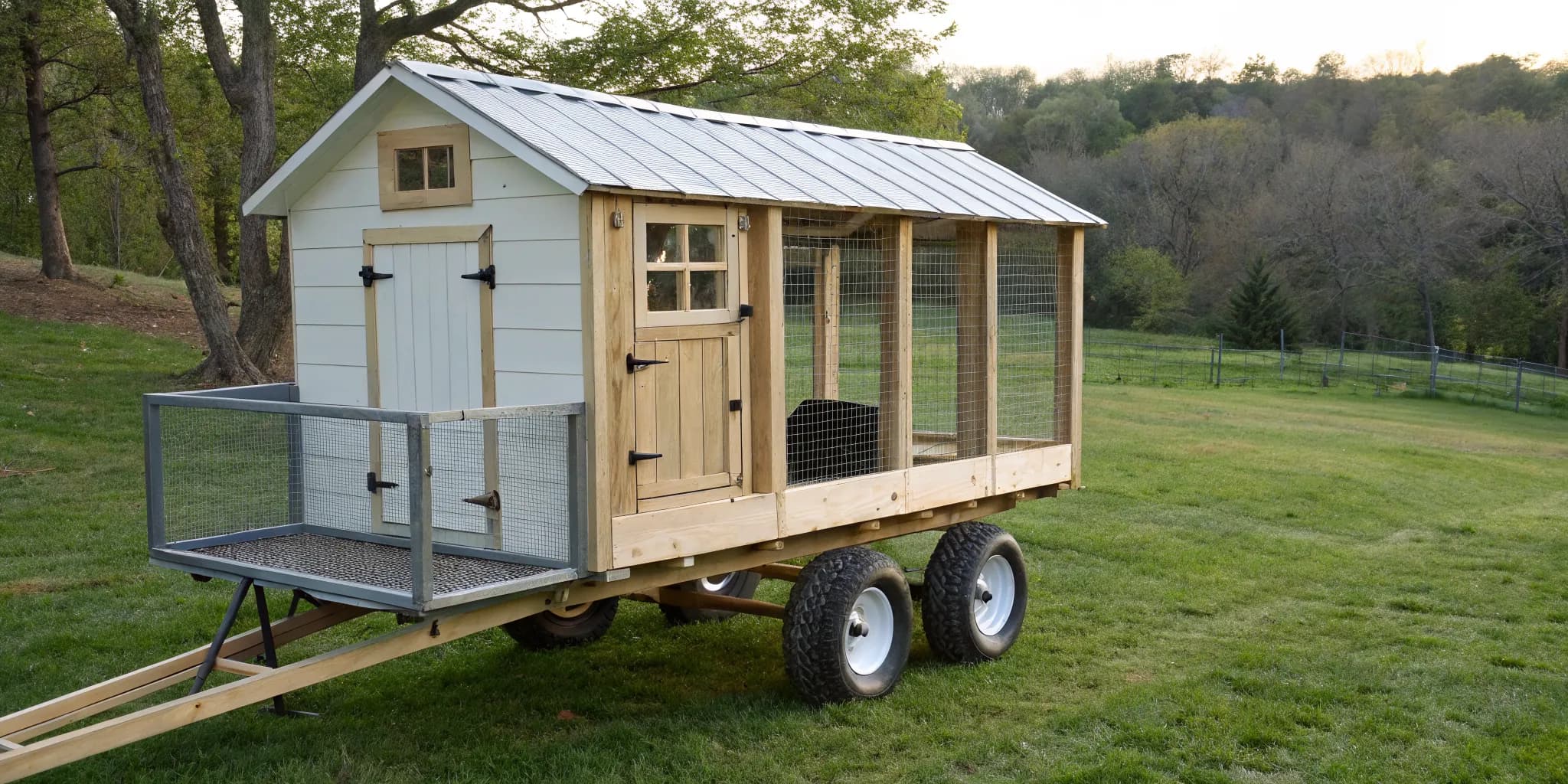
There’s a special satisfaction in taking something old and giving it a new purpose. If you love a good DIY project, building a mobile chicken coop on a hay wagon is one of the most rewarding things you can do for your property. It starts with finding a sturdy, forgotten hay wagon and transforming it into a safe, movable home for your flock. This project combines basic carpentry with smart design to create a structure that benefits your chickens, your land, and your daily routine. We’ll walk you through the materials, steps, and must-have features to ensure your build is a success. If you'd rather skip the build, our pre-built chicken coops offer the same mobility and durability.
Key Takeaways
- Embrace mobility for healthier chickens and land: Regularly moving your coop gives your flock fresh foraging opportunities and naturally fertilizes your property. This simple rotation leads to healthier birds, better eggs, and improved soil without extra work.
- Prioritize essential design features for safety and comfort: Every coop needs excellent ventilation to prevent illness, secure predator-proofing like hardware cloth and strong latches, and comfortable roosting bars and nesting boxes to accommodate your flock's natural behaviors.
- Weigh the pros and cons of DIY vs. pre-built: Building your own coop is a great project if you have the time and skills; however, a professionally built coop offers a faster, guaranteed solution with expert design and durable materials, letting you focus on your flock right away.
What Is a Mobile Chicken Coop on a Hay Wagon?
If you’ve ever dreamed of letting your chickens roam freely but worried about their safety, a mobile chicken coop on a hay wagon might be the perfect solution. At its core, it’s exactly what it sounds like: a chicken coop built onto the sturdy frame of an old hay wagon. This clever setup allows your flock to enjoy the benefits of free-ranging across your property while staying protected from predators and harsh weather. Think of it as a portable pasture paradise for your hens.
This approach isn't just great for your chickens; it's fantastic for your land, too. As your flock forages, they act as a natural pest control squad, gobbling up ticks and other unwanted bugs. Plus, their droppings become a powerful, all-natural fertilizer for your soil, improving the health of your pasture or garden with every move. While building your own can be a rewarding project, you can also find expertly crafted, durable chicken coops designed to give your flock a safe and comfortable home without the DIY effort. It’s a sustainable and practical way to manage your flock and your land in harmony.
How Does a Mobile Coop Work?
The magic of a mobile coop lies in its movement. These coops are designed to be relocated on a regular basis, turning your chickens into a tiny, feathered team of landscapers. As they move across a pasture, they graze on fresh grass and weeds, acting as a natural lawnmower. At the same time, they fertilize the ground, which helps keep your land healthy and reduces your workload. The general rule of thumb is to move the coop to a new spot about once a week. This simple rotation ensures your chickens always have access to fresh foraging ground and prevents any single area from becoming overgrazed and bare.
Mobile vs. Stationary Coops: What's the Difference?
When choosing a home for your flock, the main decision is between a mobile and a stationary coop. While a fixed coop has its place, mobile coops offer some distinct advantages. For one, they are often much easier to clean. You can simply pull the coop to a fresh patch of grass, leaving the mess behind for easy cleanup without having to work inside a cramped, dirty space. Many mobile designs are also more open, allowing you to clean them from the outside. While a simple stationary coop might seem cheaper to build at first, it can lead to higher costs over time due to frequent repairs. In contrast, well-built mobile chicken coops are made to handle movement and are often built to last for decades with minimal upkeep, making them a smart long-term investment.
The Benefits of a Mobile Chicken Coop
If you're thinking about raising chickens, you've probably pictured a classic stationary coop. But what if your coop could do more than just house your flock? A mobile chicken coop, sometimes called a chicken tractor, is a game-changer for both your birds and your property. It’s a system that allows you to move your flock to fresh pasture regularly, creating a healthier environment for everyone. This approach offers some incredible advantages that a fixed coop simply can't match. Whether you build your own or opt for a sturdy, pre-built model, choosing a mobile chicken coop is one of the smartest decisions you can make for your homestead. Let's get into why this setup works so well.
Healthier Chickens, Natural Foraging
A mobile coop gives your chickens the chance to live their best lives. Instead of being confined to one patch of dirt, they get to explore fresh ground every few days. This constant change of scenery keeps them from getting bored and reduces the buildup of parasites and bacteria that can happen in a stationary run. A mobile coop lets your chickens roam and forage for insects, seeds, and fresh greens, which is exactly what they would do in the wild. This natural diet makes for healthier birds and more nutritious eggs. Plus, the coop itself provides a safe, sheltered space where they are protected from predators and harsh weather while still enjoying the benefits of free-ranging.
Natural Pest Control and Soil Health
Think of your flock as a tiny, feathered landscaping crew. As you move their coop across your yard or pasture, your chickens will get to work. They are experts at finding and eating pests like ticks, slugs, and grasshoppers, which means you can rely less on chemical pesticides. They also love to snack on weeds, helping you keep your property tidy. As they forage, they naturally till and aerate the soil with their scratching. And the best part? Their droppings are a fantastic, nitrogen-rich fertilizer. By moving the coop regularly, you spread this natural fertilizer evenly across your land, improving soil health and creating a lusher, greener lawn or garden without any extra work from you.
Make the Most of Your Land
One of the biggest challenges with a stationary coop is that the area around it can quickly turn into a barren, muddy patch. A mobile coop completely solves this problem. By rotating your flock to different areas, you prevent overgrazing and give the land time to recover and regrow. This system helps you make the most of your available space while keeping your entire property healthy and productive. You can strategically move the coop to areas that need a little extra attention, like a garden bed that needs to be cleared and fertilized before planting. It’s an efficient way to manage your land, maintain its beauty, and get some help with your chores all at once.
What Materials and Tools Will You Need?
Gathering the right materials before you start is the key to a smooth building process. A mobile coop is a significant project, but breaking it down into a simple shopping list makes it much more manageable. Think of this as building a small, portable barn for your flock. You’ll need a solid base, sturdy lumber for the structure, durable materials for walls and roofing, and the right hardware to make it all functional and secure.
The Wagon Base
The foundation of your mobile coop is, quite literally, the wagon. An old hay wagon is the perfect starting point for this project. You can often find them for a good price on local online marketplaces or from farms that are upgrading their equipment. Look for one with a sturdy frame and functional wheels. The size of the wagon bed will determine the footprint of your coop, so keep your flock size in mind when you’re shopping around. A solid, reliable base ensures your coop will be safe to move around your property for years to come.
Lumber for the Frame and Floor
For the coop’s frame and floor, you’ll want to use pressure-treated lumber that can withstand the elements and the wear and tear from your flock. Start with treated 2x6s for the main rails, bolting them directly to the wagon frame for stability. A common size is about 10 feet long by 5 feet wide. For the flooring, 3/4-inch treated plywood is an excellent choice for its durability. To ensure good drainage and airflow, cut a few holes in the floor and cover them with 1/2-inch hardware cloth. This small step also adds a layer of protection against any predators trying to get in from below. The quality of your materials here is crucial, much like the construction you'd find in professionally built chicken coops.
Materials for Walls and Roofing
With the floor in place, it’s time to frame the walls. Standard 2x4 studs will create a strong and reliable structure. For the interior walls, consider using galvanized v-groove metal. While wood is an option, metal is incredibly easy to clean, won’t rust, and its reflective surface helps keep the coop bright and welcoming for your hens. This makes your cleaning routine much simpler and helps maintain a healthier environment. For the exterior and roof, choose materials that match your climate and desired aesthetic, whether it’s traditional wood siding or durable metal roofing to protect your flock from rain and sun.
Essential Hardware and Tools
The right hardware will make your coop more functional for you and safer for your chickens. A great feature to include is a large, removable screen window (around 3x4 feet) on one side. This allows you to easily rake out old straw and bedding without having to climb inside. For the chickens’ safety, installing an automatic door that opens at sunrise and closes at sunset is a game-changer. It protects them from nighttime predators without you needing to rush out to the coop every morning and evening. Using high-quality, secure latches on all doors and windows is a must, a standard feature on any well-made storage shed or outbuilding.
Must-Have Features for Your Mobile Coop
When you’re designing your hay wagon coop, a few key features can make all the difference for your flock’s health and your own sanity. Think of these as the non-negotiables. Getting them right from the start will save you a lot of headaches and ensure your chickens have a safe, comfortable home on wheels. From proper airflow to predator protection, every detail matters in creating a functional and thriving mobile coop.
Proper Ventilation and Windows
Good airflow is absolutely critical for a healthy coop. It helps prevent respiratory illnesses and keeps ammonia smells from building up. Your design should include plenty of windows to let in natural light and fresh air. Just be sure to cover every opening with half-inch hardware cloth. This simple step keeps predators out while still allowing for excellent cross-ventilation, keeping your chickens comfortable even on warm days. A stuffy coop is a recipe for problems, so prioritize airflow in your plans.
Nesting Boxes and Roosting Bars
Chickens have natural instincts you’ll want to accommodate in your design. They prefer to sleep high off the ground and lay their eggs in a quiet, private spot. Your coop needs roosting bars for them to sleep on at night and a dedicated nesting box with separate sections for laying. Providing these designated areas keeps the coop cleaner, makes eggs easier to collect, and helps your flock feel secure. A comfortable chicken is a productive one, so giving them cozy spots to rest and lay is a must.
Predator-Proofing and Secure Latches
Protecting your flock is your number one job. A mobile coop can be just as vulnerable as a stationary one if it isn't built securely. Raccoons, weasels, and hawks are clever, so you need to be smarter. Using strong hardware cloth on all windows and vents is essential. For the main door, consider an automatic door on a timer or a latch that can’t be easily opened by nimble paws. Taking extra steps for protecting chickens from predators gives you peace of mind. It’s why our pre-built chicken coops are designed with multiple security features.
Easy Access with Ramps and Doors
Don’t forget to design the coop for yourself, too. Easy access for cleaning will make your chores so much simpler. A great tip is to install a large, removable screen on one side. This allows you to open it up and easily rake out old straw without having to climb inside the coop every time. You’ll also need a small door and a ramp for your chickens to get in and out. A well-planned layout makes daily maintenance less of a hassle and helps you keep the coop environment clean and healthy for your birds.
Automated Feeding and Watering Options
To make your daily routine more efficient, think about adding automated systems for food and water. You can build simple and effective gravity feeders using four-inch PVC pipes. By creating a U-shape at the bottom, the food automatically drops down as the chickens eat. You can even design it so you can fill the pipes from outside the coop. These systems save you time and ensure your flock always has access to what they need, even if you’re running late one morning. It’s a small addition that can make a big difference in your homesteading workflow.
Building Your Hay Wagon Coop: A Step-by-Step Guide
Ready to bring your mobile coop vision to life? Building a chicken coop on a hay wagon is a rewarding project that gives you a sturdy, movable home for your flock. Breaking it down into manageable steps makes the process feel much less intimidating. Let's walk through how to build your coop, from prepping the base to adding the final, chicken-friendly touches.
Step 1: Prep Your Wagon
First things first, you need a wagon. You can often find old hay wagons for a reasonable price online through local marketplaces. Once you have your wagon, it’s time for some prep work. Start by removing any old, rotting wood from the deck. Give the entire metal frame a thorough cleaning and sanding to get rid of rust and debris. A fresh coat of rust-resistant paint will not only make it look great but also protect the metal for years to come. This step is all about creating a solid, clean foundation for the coop you’re about to build on top of it.
Step 2: Build the Frame and Floor
With your wagon prepped, you can start building the coop’s base. Use treated 2x6s for the main rails, bolting them directly to the wagon frame for a secure connection. A good size to aim for is about 10 feet long by 5 feet wide. For the floor, lay down 3/4-inch treated plywood. Here’s a pro tip: cut a few holes in the plywood floor and cover them securely with 1/2-inch hardware cloth. This creates drainage to keep the floor dry, improves airflow from below, and adds another layer of protection against any critters trying to get in from underneath.
Step 3: Install Walls, Roofing, and Vents
Now it’s time to go vertical. Frame the coop walls on top of your new floor using 2x4 studs. For the interior walls, consider using galvanized v-groove metal. It’s incredibly easy to clean, won’t rust from moisture, and its reflective surface helps keep the coop bright and sunny inside. Speaking of sun, be sure to install plenty of windows for natural light and ventilation. Good airflow is key to a healthy flock. Just remember to cover every single window and vent opening with 1/2-inch hardware cloth to keep your chickens safe from predators.
Step 4: Add Nesting Boxes and Roosts
To make your coop a true home, you need to add a few creature comforts. Chickens naturally seek high places to sleep, so installing roosting bars is a must. These can be as simple as sturdy, rounded branches or 2x4s with the corners sanded down. You’ll also need to build a nesting box where your hens can lay their eggs in peace. A simple box with a few dividers creates cozy, separate spaces for them. If you need inspiration, you can see how these features are laid out in professionally built chicken coops.
Step 5: Add Predator-Proofing Measures
Keeping your flock safe is the most important part of any coop design. While hardware cloth on all openings is your first line of defense, you can take security a step further. For daytime foraging, consider attaching a large, enclosed run to the coop. A rolling dog kennel works well for this, as it can be moved with the wagon. This gives your chickens the freedom to peck and scratch in the grass without being exposed to predators like foxes, hawks, or coyotes. Secure latches on all doors and nesting box lids are also non-negotiable.
How Many Chickens Can Fit in a Hay Wagon Coop?
Figuring out the right number of chickens for your new mobile coop is a bit like a math problem, but with feathers. The answer isn't just one number; it depends on your coop's size, the breed of your chickens, and how you want your flock to live. Getting this right is key to keeping your birds happy and healthy.
The general rule of thumb is to provide two to four square feet of floor space per chicken inside the coop. Smaller breeds like Bantams can get by with two, while larger birds like Buff Orpingtons or Wyandottes will need the full four square feet to be comfortable. So, if your hay wagon platform is 8 feet by 6 feet, you have 48 square feet to work with. That means you could comfortably house between 12 and 24 chickens, depending on their size. For a deeper look at chicken coop space requirements, you can find great resources from fellow poultry enthusiasts.
But it’s not just about floor space. You also have to think about the total weight your wagon can handle. Remember to add the weight of your building materials, plus the chickens themselves (a standard hen weighs about six pounds). Overcrowding can lead to stress, pecking, and health problems, so it’s always better to give your flock a little extra room. These same principles apply whether you're building your own or choosing one of our pre-built chicken coops. A well-planned space with good ventilation and enough room for everyone to roost peacefully is the foundation of a happy flock.
Common DIY Mistakes to Avoid
Building your own chicken coop is an incredibly rewarding project, but it’s easy to make a few missteps along the way. Thinking through these common issues before you start building will save you a lot of headaches and ensure your flock has a safe, comfortable home from day one. Let’s walk through some frequent mistakes so you can avoid them.
Ignoring Floor Design and Flock Foot Health
It’s tempting to choose a flooring material that seems easy to clean, but your chickens’ health should be the top priority. Many DIY builders use wire mesh or expanded metal for the floor, thinking it will let droppings fall through. Unfortunately, this type of flooring can be really tough on a chicken's feet, leading to painful injuries like torn talons or a nasty infection called bumblefoot. A solid floor with a thick layer of clean, dry bedding is a much safer and more comfortable option for your flock. A happy chicken is a healthy chicken, and it all starts from the ground up.
Underestimating Predators
You might think your coop is secure, but predators are persistent and surprisingly clever. A common oversight is forgetting that threats can come from below. Raccoons and other animals can reach through wide gaps in a floor and harm your chickens. When building your coop, consider adding a layer of hardware cloth or sturdy chicken wire beneath the main floor. This simple step provides an essential barrier of protection. Don’t cut corners on security; a well-built, predator-proof chicken coop is the only way to guarantee your flock’s safety day and night.
Forgetting About Weight and Stability
The whole point of a mobile coop is that you can move it, but that becomes a huge challenge if your design is too heavy or unstable. A hay wagon provides a fantastic base because it’s already built to be strong and mobile. Before you start adding walls and a roof, think about the total weight of your materials. An unbalanced or overly heavy structure can be difficult and dangerous to tow across your property. Carefully planning your design with weight distribution in mind ensures your coop is not only easy to move but also sturdy enough to keep your chickens secure.
Overlooking Winter Prep and Access
When you’re building in the sunshine, it’s hard to imagine a foot of snow on the ground. But failing to plan for winter can create a lot of extra work for you later. Think about how you’ll insulate the coop to protect your flock from freezing temperatures and harsh winds. You’ll also want to ensure you have easy access for cleaning and gathering eggs, even when everything is covered in ice. Taking a day to properly winterize your coop during the build will save you countless hours of chipping away at frozen doors or worrying about your flock when the temperature drops.
How Often Should You Move Your Coop?
A great rule of thumb is to move your mobile coop to a fresh patch of grass about once a week. This simple routine is the key to unlocking the biggest benefits of a mobile setup. Moving the coop regularly gives your flock new ground to explore, peck, and forage. This keeps them entertained and provides a steady supply of fresh greens and bugs, which makes for healthier, happier chickens and more nutritious eggs. It also prevents one single area of your yard from being overgrazed and turned into a muddy, barren patch.
By rotating the coop's location, you also become a pro at pasture management. Your chickens act as a natural lawn care crew, trimming the grass and fertilizing it as they go. Instead of having waste build up in one spot, their manure is spread evenly across your property, enriching the soil over time. This system is much healthier for both your flock and your land. Whether you build your own or start with one of our sturdy chicken coops, designing for mobility is what makes this process work so well.
Of course, the "once a week" guideline can be adjusted. You might need to move the coop more frequently if you have a larger flock or if they are on a smaller piece of land. During the fast-growing seasons of spring and summer, you may also choose to move it every few days to keep up with the lush grass. In the winter, when the ground is frozen and there’s less to forage, you’ll likely move it far less often. The goal is to find a rhythm that keeps your chickens on fresh ground without overwhelming you. Listen to your flock and watch your land; they will tell you when it’s time for a change of scenery.
How to Keep Your Mobile Coop Clean and Your Flock Healthy
A clean coop is the foundation of a healthy flock. One of the best parts of a mobile coop is that keeping it tidy is much simpler. By staying on top of a few key tasks, you can prevent pests and diseases, ensuring your chickens are happy and comfortable. It’s all about creating a simple routine that works for you and your flock.
Your Daily and Weekly Cleaning Routine
One of the biggest perks of a mobile coop is how easy it is to clean. You can simply move it to a fresh spot before scrubbing it down. For daily upkeep, focus on providing fresh food and water and spot-cleaning any major droppings. Once a week, do a deeper clean by removing and replacing all the old bedding. Many chicken coops are designed with easy access, letting you clean from the outside, which saves a ton of time. A consistent routine keeps ammonia levels down and your chickens breathing easy.
Seasonal Maintenance Tips
Beyond daily cleanings, plan for some seasonal upkeep. Before winter arrives, set aside a day to prepare your coop for the cold by checking for drafts and adding extra bedding for insulation. Some people even stack straw bales around the base for added warmth. In the spring, do a deep clean to air everything out after the long winter. It’s also the perfect time to inspect for any wear and tear and make repairs. A well-built coop makes this annual task much quicker, saving you time for the more enjoyable parts of chicken keeping.
How to Monitor Your Flock's Health
A well-designed coop directly contributes to your flock's well-being. While wire mesh floors seem easy to clean, they can cause serious foot injuries like a painful infection called bumblefoot. A solid floor with soft bedding is much safer. Another non-negotiable feature is roosting bars. Chickens need a comfortable place to perch off the ground at night. This helps prevent foot problems and keeps them warmer in cold weather as they huddle together. Beyond the coop's design, keep an eye on your chickens daily. Watch for bright eyes, smooth feathers, and active behavior as signs of good health.
Is a Pre-Built Chicken Coop a Better Fit for You?
Building your own hay wagon coop is a fantastic project, but let's be honest, it's a big commitment. If you're short on time, not quite confident with a hammer and saw, or simply want to get your flock settled faster, a pre-built coop might be the perfect solution for you. It allows you to skip the construction phase and focus directly on raising your chickens.
With a professionally built structure, you get a high-quality home for your flock right away. This means you can have peace of mind from day one, knowing your birds are safe. Pre-built chicken coops are designed by experts who understand exactly what it takes to keep predators out and your flock comfortable through hot summers and cold winters. There’s no guesswork involved; features like proper ventilation, secure latches, and sturdy construction are already built in.
These coops are also made to last. While a DIY project can have a learning curve, a pre-built coop uses superior materials and construction techniques, often backed by a 5-year warranty for extra assurance. This durability saves you time and money on repairs down the road. Plus, many pre-built options are mobile, giving you all the benefits of moving your flock to fresh pasture—like natural lawn care and pest control—without having to build the coop yourself. If your flock grows, it's simple to add another coop to your setup.
Ultimately, the goal is to create a safe and healthy environment for your chickens. If a ready-made solution helps you achieve that with less stress and more certainty, it’s a smart choice. You can even find rent-to-own programs that make getting a top-quality coop more accessible, so you can focus on the fun part: raising your happy, healthy flock.
Related Articles
- Chicken Coop | Legacy Structures
- Animal Shelter | Legacy Structures
- Mini Barn | Legacy Structures
- Portable Cabins | Legacy Structures
Frequently Asked Questions
Why is a mobile coop better than just letting my chickens free-range? A mobile coop offers the best of both worlds. Your chickens get all the benefits of free-ranging, like foraging for bugs and fresh greens, but they do it within a safe, protected space. This keeps them secure from predators like hawks and foxes, which is a major risk with completely unrestricted free-ranging. Think of it as a portable pasture that moves with them, providing constant shelter and safety while still allowing them to be happy, active chickens.
How difficult is it to move a hay wagon coop? Moving the coop is surprisingly straightforward, since the wagon is already designed for it. You can typically tow it with a small tractor, an ATV, or even a truck, depending on your property's terrain. The key is to move it slowly and carefully. While it's a large structure, the process is less about muscle and more about having the right equipment to gently pull it to its new spot once a week.
Can a mobile coop keep chickens warm enough during a cold winter? Absolutely, as long as you prepare it properly. The same principles that keep a stationary coop warm apply here. You can add insulation to the walls, use a deep layer of bedding like straw on the floor, and ensure there are no drafts. Good ventilation is still important in winter to prevent moisture buildup, so make sure your vents aren't completely sealed. With a little seasonal prep, your flock will be cozy and comfortable.
What if I don't have the time or skills to build a coop myself? That's a very common situation. A DIY project of this size is a significant commitment. If you'd rather focus on raising your flock than on construction, a high-quality pre-built coop is an excellent choice. It saves you time and ensures your chickens have a professionally built, secure home from day one. You get all the benefits of a durable, well-designed structure without any of the building headaches.
Do I have to use an old hay wagon for the base? A hay wagon is ideal because its frame is strong, it's built to be outdoors, and it already has wheels. However, you could adapt the concept to other foundations. A heavy-duty trailer frame or any sturdy, flat platform with a reliable axle and wheels could also work. The most important thing is that the base is structurally sound and can safely support the weight of the coop, your flock, and any snow that might accumulate on the roof.