
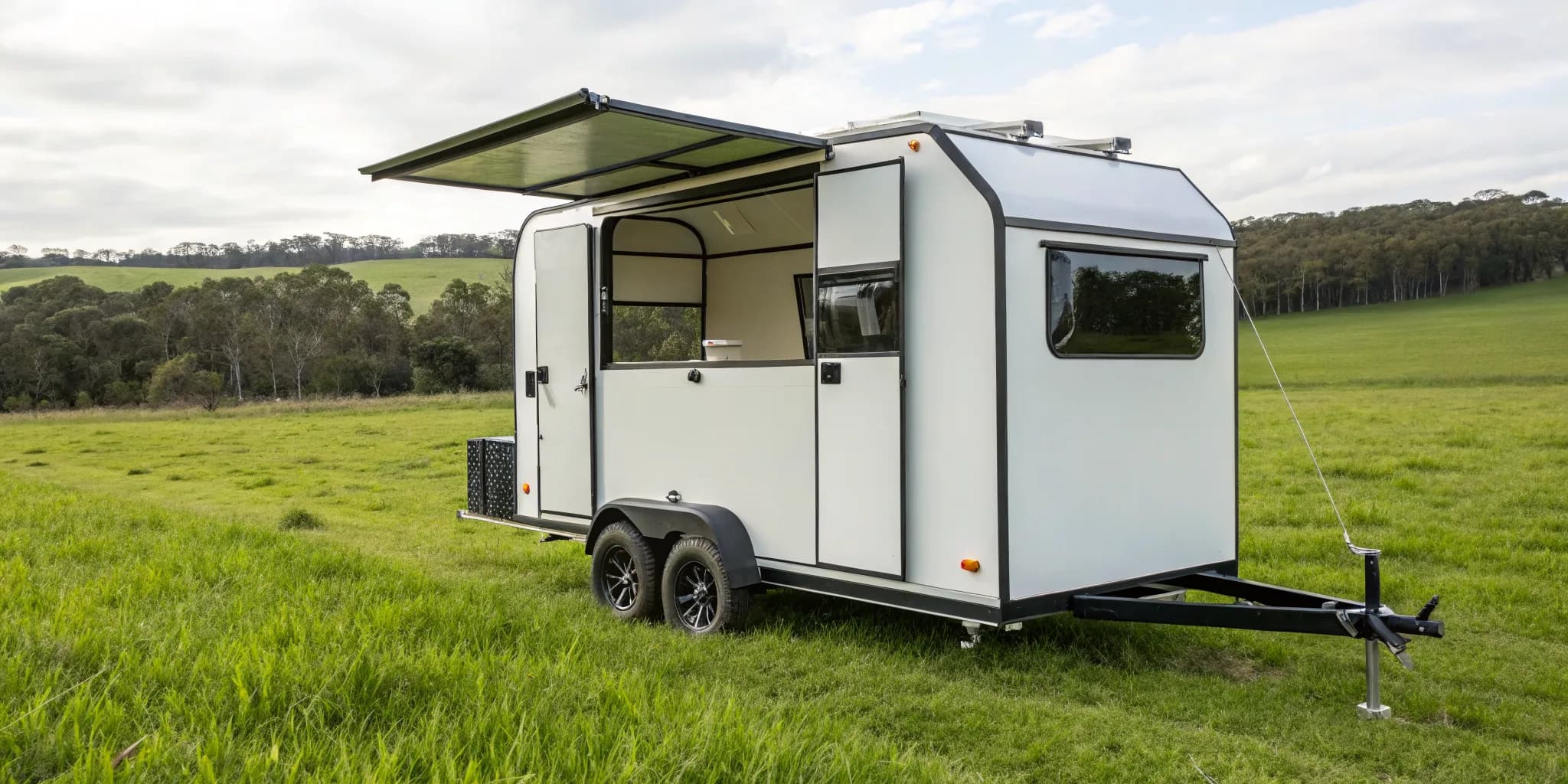
Thinking about your homestead as a complete ecosystem can change how you manage everything, including your flock. A mobile chicken caravan is a key tool for integrating your chickens into a regenerative system. By moving them across your pasture, you turn them from a source of waste into a team of tiny tillers and fertilizers. They help build healthy soil, control pests naturally, and reduce your reliance on store-bought feed and fertilizers. This approach isn't just better for the environment; it’s a practical strategy that leads to healthier, more resilient chickens and a more productive homestead.
Key Takeaways
- Turn your flock into a land management team: A mobile coop lets you practice rotational grazing, which improves chicken health and egg quality. By moving your flock, you also get natural pest control and fertilization, turning your chickens into productive partners for your property.
- Invest in a coop built for safety and convenience: The best mobile coops are secure structures on wheels. Prioritize durable construction, smart predator-proofing like hardware cloth and raccoon-proof latches, and functional features like proper ventilation and easy-to-clean floors.
- Plan your purchase for long-term success: Whether you build your own coop or buy one pre-built, think about the long-term value. Consider your budget, the time you have for a project, and flexible payment options like rent-to-own that make a high-quality coop more accessible.
What Is a Mobile Chicken Caravan?
If you're looking to give your flock fresh ground to explore, a mobile chicken caravan might be the perfect solution. Think of it as a chicken coop on wheels. These structures, sometimes called movable coops or egg mobiles, are designed to be easily relocated from one spot to another. This simple feature allows your chickens to access fresh pasture regularly, which comes with a whole host of benefits for your birds, your land, and even your workload.
Instead of being stuck in one place, these portable chicken coops let you practice rotational grazing. Your chickens get to enjoy a clean environment with new things to peck and scratch at, while the land gets a chance to recover and absorb all the natural fertilizer your flock leaves behind. It’s a smart, efficient way to manage your chickens that works with nature, not against it.
How Does It Work?
The concept is beautifully simple. You move the coop to a fresh patch of grass, and your chickens do the rest. As they forage, they naturally till the soil, eat pests like ticks and grasshoppers, and spread their manure. This process enriches your land by adding valuable nutrients right back into the ground. It’s a fantastic way to improve your soil quality without buying bags of fertilizer.
Using a mobile coop, often with portable fencing, also helps you contain your flock to a specific area. This means you can direct their fertilizing and pest-control efforts exactly where you need them, all while keeping them out of your prized vegetable garden. Plus, moving the coop regularly prevents manure from building up, which keeps your chickens healthier and makes cleaning much less of a chore.
Mobile vs. Stationary Coops
A traditional, stationary coop keeps your chickens in one fixed location. Over time, this can lead to problems like compacted, barren ground and a heavy buildup of manure, which can attract flies and create health issues for your flock. The chickens quickly exhaust any fresh forage, leaving them in a muddy, overused run.
In contrast, a mobile coop allows you to work smarter. By moving your flock regularly, you prevent the ground from becoming over-grazed and saturated with waste. This practice of rotational grazing is a cornerstone of regenerative agriculture, benefiting both your chickens' health and the vitality of your land. For anyone running an egg-laying or meat-bird operation, a mobile coop is an efficient tool that supports a healthier, more productive system.
Why Choose a Mobile Chicken Caravan?
Opting for a mobile chicken coop, often called a chicken caravan or tractor, is about more than just providing shelter. It’s a strategic choice that benefits your flock, your land, and even your workload. Unlike a stationary coop that keeps chickens confined to one patch of dirt, a mobile coop allows you to practice rotational grazing. This simple act of moving your chickens to fresh pasture every few days creates a cycle of positive effects, turning your flock into a productive part of your property’s ecosystem. From healthier birds and better eggs to natural pest control and improved soil, the advantages are compelling.
Get Healthier Chickens and Better Eggs
When chickens have regular access to fresh pasture, their health and happiness improve dramatically. They get to forage for their natural diet of insects, worms, and greens, which supplements their feed and provides essential nutrients. This varied diet and active lifestyle lead to stronger immune systems and more resilient birds. You’ll notice the difference not just in their behavior, but in their eggs. Pasture-raised chickens consistently produce eggs with richer, darker yolks and stronger shells. For anyone selling eggs, this higher quality can translate directly into a better product and happier customers. Our durable chicken coops are designed to make moving your flock to fresh ground simple and secure.
Control Pests and Weeds Naturally
Your chickens can be your best partners in managing your garden and yard. As they forage, they eagerly devour pests like slugs, grasshoppers, and beetles, providing a natural and effective form of pest control. This can significantly reduce your reliance on chemical pesticides, creating a safer environment for your family, pets, and produce. Chickens are also excellent weeders. They scratch up and eat weed seedlings and their seeds, helping to keep unwanted growth in check. By strategically moving your mobile coop around your property, you can direct their efforts to problem areas, letting your flock handle the hard work for you.
Improve Your Soil and Regenerate Land
One of the most significant benefits of a mobile coop is its ability to regenerate your land. In a fixed coop, chicken manure builds up, creating a smelly, toxic mess that can harm your chickens and pollute the ground. With a mobile coop, that same manure becomes a valuable resource. As you move the coop, the chickens leave behind a light, even layer of droppings that acts as a powerful natural fertilizer. This process enriches the soil, promotes lush grass growth, and prevents the nutrient overload that can "burn" your pasture. This practice of rotational grazing is a cornerstone of sustainable farming, and a mobile coop makes it easy to implement on any scale.
Save Time with Automated Features
While moving a coop requires a bit of effort, it can save you a surprising amount of time in the long run. You’ll spend far less time on the unpleasant task of mucking out a deep-litter stationary coop. Your chickens do the work of fertilizing and pest control, saving you hours of yard work. Modern mobile coops are designed for efficiency, with features that make daily chores easier. When you design your own structure, you can incorporate elements that fit your routine. You can explore different layouts and options with our 3D Shed Builder to create a coop that minimizes your labor and maximizes the health of your flock.
How Mobile Coops Support Sustainable Farming
A mobile chicken coop is more than just a house on wheels; it’s a powerful tool for regenerative agriculture. By moving your flock across your property, you can work with their natural behaviors to improve your land, reduce your workload, and create a healthier ecosystem. Instead of managing a stationary source of waste, you’re directing a team of tiny tillers and fertilizers exactly where you need them most. This approach turns potential problems, like manure buildup and pest insects, into valuable resources for your homestead or farm. It’s about shifting your perspective from simply housing chickens to partnering with them to cultivate a thriving environment.
This method of farming supports a closed-loop system where your chickens contribute directly to the health of your pasture. They help control pests, spread natural fertilizer, and gently aerate the soil, all while enjoying a fresh environment full of new things to peck and scratch. It’s a smarter, more natural way to manage your flock that benefits the chickens, the land, and you. With a well-designed mobile chicken coop, you can easily integrate these sustainable practices into your daily routine. The beauty of this system is its simplicity and effectiveness. You're essentially letting nature do the heavy lifting, guided by the strategic placement of your coop. This not only leads to healthier land but also produces happier, healthier chickens that have constant access to fresh forage.
Practice Rotational Grazing for Pasture Health
Rotational grazing is a system where you move animals through different sections of pasture, giving the land time to recover and regrow. A mobile coop makes it easy to include chickens in this rotation. You can use portable fencing to create a designated area for your flock, preventing them from wandering into your garden or making a mess of the yard. This controlled movement allows you to target specific areas that need attention.
For example, many farmers have their chickens follow larger livestock like cows or sheep. The chickens scratch through the manure of the larger animals, eating fly larvae and other pests that would otherwise multiply. This sanitizes the pasture, reduces the fly population, and gives your chickens a protein-rich meal. It’s an efficient system that keeps your pastures healthy and your flock well-fed.
Reduce Your Reliance on Chemicals
One of the biggest benefits of a mobile coop is the ability to use your chickens for natural pest and weed control. As you move your flock to fresh ground, they will eagerly devour insects, slugs, and weed seeds. This can significantly reduce your need for chemical pesticides and herbicides, saving you money and creating a safer environment for your family and other animals. Think of them as a mobile cleanup crew that works for chicken feed.
At the same time, the chickens are constantly fertilizing the ground. Their manure is rich in nitrogen and other essential nutrients that grass and plants need to thrive. By moving the coop regularly, you ensure this fertilizer is spread evenly across your land instead of building up in one spot. This natural fertilization process improves soil fertility and reduces your reliance on synthetic fertilizers.
Promote Biodiversity and Soil Health
Healthy soil is the foundation of a productive farm or garden, and a mobile flock can play a key role in building it. As chickens scratch at the ground, they break up compacted soil and thatch, which allows air and water to penetrate more easily. This gentle aeration helps plant roots grow deeper and stronger, leading to more resilient pastures. Their scratching also helps incorporate their manure and other organic matter into the topsoil.
This process creates a virtuous cycle. The chickens’ manure feeds the soil life, which in turn creates a healthier environment for plants to grow. Healthier plants provide better forage for your chickens, and the cycle continues. If you're curious about trying this method without a large upfront cost, you can explore rent-to-own options to get started with a quality coop.
What to Look for in a Mobile Coop
When you start shopping for a mobile chicken coop, you'll notice they come in all shapes and sizes. But the differences are more than just cosmetic. The right coop will keep your flock safe, healthy, and productive, while the wrong one can lead to headaches and heartbreak. To make a smart investment for your farm or backyard, you need to know what features truly matter. From the materials it's built with to the design of its floor, every detail plays a role in the coop's performance and longevity. Focusing on these key areas will help you choose a structure that serves you and your chickens well for years to come.
Think of it as buying a tiny, portable barn for your feathered friends. You wouldn't want a barn with a leaky roof or flimsy walls, and the same standards apply here. We'll walk through the most important things to look for, including durable construction that can withstand the elements, proper ventilation for year-round comfort, and smart predator protection to keep your flock secure. We'll also cover functional interior designs that make cleaning easier and automated features that can save you a ton of time. By paying attention to these details, you can confidently select a mobile coop that is both a safe haven for your chickens and a worthwhile addition to your property.
Durable Materials and Construction
Your mobile coop is an investment that should last for years, not just a single season. Look for one built with strong, heavy-duty materials that can handle being moved around and stand up to the weather. A well-built coop should have a lifespan of over 10 years. This starts with a solid frame and quality siding and roofing. When a company offers a strong 5-year warranty, it’s a good sign they stand behind the quality of their construction and expect their buildings to last. Don't compromise on materials; it's the foundation of a safe and durable home for your flock.
Proper Ventilation and Weatherproofing
Chickens need fresh air to stay healthy, but they also need protection from drafts, rain, and snow. Proper ventilation is a delicate balance. You want a coop with windows or vents you can open for a nice breeze on hot summer days, but that also seal up tightly to keep things cozy in the winter. Good airflow helps prevent moisture buildup, which can lead to respiratory issues and a messy coop. When you look at different chicken coops, check for designs that promote air circulation without creating a direct draft on the roosting areas where your chickens sleep. This thoughtful design keeps your flock comfortable in every season.
Smart Predator Protection
Keeping your chickens safe from predators is one of your most important jobs. A good mobile coop should be a fortress. Check to make sure it's fully sealed with no gaps for weasels or snakes to squeeze through. All openings, including windows and vents, should be covered with sturdy hardware cloth, not flimsy chicken wire. The latches on doors and nest boxes need to be secure and raccoon-proof. Some modern coops even offer automatic doors that close at dusk, giving you peace of mind that your flock is safely tucked in for the night.
Automated Feeders, Waterers, and Nests
Features that save you time and labor are a huge plus, especially as your flock grows. Look for coops designed to accommodate large-capacity feeders and waterers, which can reduce your daily chores. Some larger mobile systems can hold a ton of feed and over 100 gallons of water. Another fantastic feature is the roll-away nest box. These nests are angled so that as soon as an egg is laid, it gently rolls into a protected compartment. This keeps the eggs clean, prevents them from being broken, and makes collection a breeze.
Functional Floor, Waste, and Roosting Design
A coop's interior design is vital for cleanliness and your chickens' comfort. Many mobile coops feature a mesh or grated floor that allows droppings to fall through to the ground below. This simple design element does wonders for keeping the coop clean and reducing your maintenance workload. Inside, make sure there are plenty of roosting bars. Chickens naturally prefer to sleep elevated off the ground. The roosts should be positioned higher than the nest boxes to discourage them from sleeping (and pooping) where they lay their eggs.
What Size Coop Do You Need?
Choosing the right size coop is the first step to a happy, healthy flock. The perfect size depends entirely on how many chickens you have (or plan to have) and your overall goals, whether you're a backyard hobbyist or a small-scale farmer. A coop that’s too small leads to stress and health issues, while one that’s too big can be inefficient. Let's break down the common sizes to help you find the right fit for your feathered friends and your property.
For Small Backyard Flocks
If you're just starting with a few hens in your backyard, a smaller coop is the way to go. Compact and portable chicken coops are perfect for urban or suburban settings where you might not have a ton of space. These designs provide a secure and cozy home for a small number of birds. Their main advantage is mobility; you can easily move them around your yard to give your chickens fresh ground to peck and scratch. This keeps your lawn from getting destroyed in one spot and gives your flock a change of scenery.
For Mid-Sized Homesteads
For homesteaders with a growing flock, you'll need something more substantial. A popular and effective size is an 8-foot by 12-foot coop, which can comfortably house between 50 and 100 chickens. This size hits a sweet spot, offering enough space for efficient egg production without becoming unmanageable. These coops are often designed to be moved with a small tractor, making it simple to practice rotational grazing. Moving the coop regularly gives your chickens access to fresh pasture, which improves their diet and overall health while naturally fertilizing your land.
For Large-Scale Farms
If you're running a larger farm or a commercial operation, you'll need a coop built for serious production. Large mobile chicken houses are designed to hold anywhere from 300 to 1,000 hens. These structures are engineered for efficiency, with features that simplify daily management for a large flock. The ability to move hundreds of birds to fresh pasture at once is a game-changer for land management and animal welfare. This practice not only leads to healthier chickens and higher-quality eggs but also plays a key role in regenerative agriculture by improving soil health across your property.
Should You Buy or Build Your Mobile Coop?
Deciding between buying a pre-built coop and building your own is a major step in your chicken-keeping journey. There’s no single right answer, as the best choice depends on your budget, timeline, and how much you enjoy a good project. If you have the skills and time, a DIY build can be a rewarding experience that gives you a coop tailored exactly to your vision. On the other hand, buying a professionally constructed coop gets your flock into a safe, durable home without the hassle of sourcing materials and spending weekends with a saw and drill.
Think about what you value most. Is it the speed and convenience of a ready-to-go solution, or the satisfaction and total customization that comes from building something with your own two hands? Both paths can lead to a fantastic mobile coop that keeps your chickens healthy and your pastures thriving. Let’s break down the specifics of each option so you can make a confident decision for your homestead.
Buying a Pre-Built Coop
The biggest advantage of buying a pre-built coop is the time and effort you save. Instead of spending weeks or months on construction, you get a durable, professionally designed structure delivered and ready for your flock. Companies that specialize in portable buildings understand the nuances of creating a coop that is both secure for the chickens and easy for you to manage.
When you invest in high-quality chicken coops, you’re paying for expert craftsmanship, superior materials, and features that have been tested for efficiency. These coops often include smart designs for ventilation, predator protection, and easy cleaning. This allows you to skip the steep learning curve of coop design and focus on what matters most: raising healthy, happy chickens.
The DIY Route: What to Consider
For the handy homesteader, building a movable chicken coop can be an incredibly satisfying project. The DIY route gives you complete control over every aspect of the design, from the size and layout to the specific materials you use. You can create a coop that perfectly matches your aesthetic and accommodates the unique features of your land.
However, it’s important to go in with a solid plan. Your design should prioritize function over everything else. Think about how you’ll perform daily tasks like collecting eggs and refilling waterers. A well-designed coop must also be fully sealed to protect your flock from harsh weather and clever predators. While the customization is a huge plus, be realistic about the time, cost of materials, and skills required to see the project through to completion.
How Much Does a Mobile Coop Cost?
Let’s talk about the budget. The cost of a mobile chicken coop can vary quite a bit, so it’s helpful to know what to expect before you start shopping. The final price tag depends on several things: the size of the coop, the quality of the materials, the features you want included, and whether you decide to buy a pre-built model or build one yourself. While large-scale commercial coops can run into the tens of thousands of dollars, a well-made coop for a backyard flock is much more attainable. To give you a clear picture of the investment, let's break down the upfront purchase, long-term upkeep, and flexible payment options you might find.
Understanding the Upfront Investment
The initial cost of a mobile coop is directly tied to its size and complexity. For large-scale farms, a coop designed for 300 hens can start around $18,900, while massive models for 1,000 hens can be upwards of $46,000. If you’re handy and decide to build your own, a DIY project could cost anywhere from $1,500 to $6,000, depending on your design and materials. For most backyard and homestead flocks, however, the investment is much more manageable. High-quality, pre-built chicken coops offer a durable and reliable home for your flock without the commercial-grade price tag, giving you a great balance of quality and affordability.
Factoring in Long-Term Maintenance
The purchase price is just the beginning. To make sure your coop lasts for years, you’ll want to plan for ongoing maintenance. This might include simple tasks like resealing wood to protect it from the elements or adding straw bales around the base for extra insulation in the winter. A well-built coop requires less work, so pay close attention to construction quality. One of the best indicators of quality is the warranty. While many builders offer a standard one-year warranty, a company that stands behind its work will offer more. A comprehensive 5-year warranty shows a real commitment to durable materials and craftsmanship.
Exploring Rent-to-Own Options
If a high-quality coop feels out of reach financially, don’t get discouraged. While some sellers require full payment upfront, other companies offer programs that make it easier to get started. A rent-to-own plan is a fantastic alternative that lets you get the coop you need now and pay for it over time with manageable monthly payments. Instead of saving up for a large one-time purchase, you can move your flock into their new home right away. Each payment you make goes toward owning the structure, making it a practical path to ownership without the initial financial strain.
Potential Challenges to Keep in Mind
Mobile chicken coops are a game-changer for many homesteaders, but it's smart to go in with your eyes open. Like any new system, there's a bit of a learning curve. Thinking through these potential hurdles ahead of time will help you create a smooth, successful routine for you and your flock. The good news is that these challenges are entirely manageable with a bit of planning and the right equipment. From navigating chilly New York winters to keeping your flock safe and sound, a little preparation goes a long way. Let's walk through a few common things to keep in mind so you can feel confident from day one.
Managing Your Coop in Winter
Keeping your flock warm and dry during a cold winter can feel tricky, especially with a mobile coop that may have an open floor design for waste management. The key is to focus on insulation and draft-proofing. Before the first frost, make sure your coop is well-sealed to block any harsh winds. Many owners find success by stacking straw bales around the base of the coop, which provides an excellent, low-cost insulation barrier. While you want to eliminate drafts, don't forget about ventilation. Good airflow is crucial for preventing moisture buildup, which can lead to frostbite. Starting with one of our well-built chicken coops gives you a solid, weather-resistant foundation to work from.
Handling Different Terrains
The "mobile" part of a mobile chicken coop requires some muscle, whether it's from you or a machine. You’ll likely need a tractor, ATV, or at least a lawn mower with some towing power to move the structure, especially for larger models. It’s also helpful to have relatively flat land, as navigating steep hills or very bumpy ground can be difficult. The first few times you move the coop, it might feel a bit awkward, but you’ll quickly get the hang of it and develop an efficient system. Thinking about your property's layout and the path you'll take for rotational grazing will make the entire process much smoother from the start.
Preventing Escapes and Predator Attacks
Giving your chickens access to fresh pasture is wonderful, but it also introduces the risk of them wandering off or encountering predators. Chickens that are used to roaming might test the boundaries of their new space. A reliable poultry netting, typically around 48 inches tall, is usually effective at keeping the flock contained. For the occasional, particularly adventurous hen, you might consider clipping her wing feathers (a painless process) to prevent her from flying over the fence. A sturdy coop is your first line of defense against predators, and our structures come with a 5-year warranty that speaks to their durability. Combining a secure coop with good fencing creates a safe environment for your flock to thrive.
Will a Mobile Coop Improve Your Bottom Line?
When you're thinking about investing in new equipment for your homestead or farm, the first question is always about the return. A mobile chicken coop is more than just a house for your flock; it's a tool that can actively contribute to your profitability. By looking at both the potential for increased income and significant cost savings, you can get a clear picture of how a mobile coop impacts your finances.
Gains in Egg Production and Quality
Happy, healthy chickens lay more, better-quality eggs. It’s that simple. When your flock has daily access to fresh pasture, they get to forage for bugs, seeds, and greens, which diversifies their diet far beyond standard feed. This natural diet results in eggs with richer, darker yolks and stronger shells, a premium quality that customers can see and taste. A mobile coop also reduces stress and the risk of disease by preventing the buildup of waste and parasites found in stationary setups. This consistent access to clean ground keeps your flock healthier, leading to more reliable egg production. Investing in one of our high-quality chicken coops is a direct investment in the quality of your product.
Savings on Feed and Land Management Costs
One of the most immediate financial benefits of a mobile coop is a lower feed bill. As your chickens forage for a good portion of their food, your reliance on expensive commercial feed decreases significantly. But the savings don't stop there. Your flock becomes a multi-tasking workforce, naturally tilling the soil, controlling pests, and fertilizing your pasture as they go. This can reduce your spending on other land management tools and products. This smart system turns a potential expense into a regenerative cycle that benefits your land and your wallet. Our rent-to-own program makes it easy to manage the upfront cost while you start enjoying these savings right away.
Find Your Perfect Mobile Chicken Coop
Choosing the right mobile chicken coop is about finding a home that keeps your flock safe, healthy, and productive. Since these structures are designed to be moved, you’ll want something that is both easy to transport and built to last. Before you make a decision, it helps to think about a few key factors that will make life easier for you and your chickens.
First, consider the size of your flock. You need a coop that offers enough space for your chickens to roost comfortably without being too crowded, which can lead to stress and health issues. A good rule of thumb is to plan for two to four square feet of space per chicken inside the coop. Legacy Structures offers a variety of chicken coops that can accommodate flocks of different sizes, ensuring your birds have the room they need to thrive.
Next, look at the design and materials. A well-built coop should have proper ventilation to maintain good air quality, but also be weatherproof to protect your flock from the elements. Quality construction is essential for a portable building that will be moved regularly. Look for durable materials and a solid frame that can withstand frequent relocation. A strong 5-year warranty is often a good indicator of a company's confidence in its construction quality.
Finally, think about your budget and the long-term value. While the upfront cost is a consideration, a high-quality coop can save you money over time on repairs and replacements. It also contributes to healthier, more productive hens. If a large initial payment is a concern, programs like rent-to-own can make it more manageable to get the right coop for your needs without compromising on quality. By weighing these points, you can find a mobile coop that serves your homestead for years to come.
Related Articles
- Chicken Coop | Legacy Structures
- Animal Shelter | Legacy Structures
- Rent to Own Storage Sheds | Legacy Structures
Frequently Asked Questions
Is a mobile coop really that different from a stationary one? Yes, the difference is in how you manage your flock and your land. A stationary coop keeps chickens in one spot, which eventually becomes a patch of bare, messy ground. A mobile coop transforms your flock into a productive team. By moving them to fresh grass every few days, you give them a healthier diet, naturally fertilize your pasture, and drastically reduce the time you spend cleaning up a smelly, compacted run. It’s a shift from simply housing chickens to partnering with them to improve your property.
What do I actually need to move the coop, and is it difficult? Moving the coop does require some power, especially for larger models. Most people use a small tractor, an ATV, or even a heavy-duty lawn mower to pull the coop to its next spot. While it might feel a little awkward the first couple of times, you’ll quickly find a rhythm. The process becomes a simple, routine chore that takes just a few minutes. The key is to plan your rotation on relatively flat ground to make the move as smooth as possible.
How does a mobile coop keep my chickens safe from predators? A well-built mobile coop is designed like a small fortress. The most important features are sturdy construction with no gaps for weasels or snakes to slip through and secure, raccoon-proof latches on all doors and nest boxes. All vents and windows should be covered with strong hardware cloth, not flimsy chicken wire that predators can tear. A quality coop provides peace of mind by creating a secure shelter that protects your flock from threats day and night.
Can I use a mobile coop through a cold New York winter? Absolutely. With a little preparation, a mobile coop works well even in cold climates. The main goals are to block drafts and manage moisture. Before winter sets in, you can stack straw bales around the base of the coop for extra insulation. It’s also vital to ensure there is good ventilation near the top of the coop, which allows moisture from the chickens' breath to escape and prevents frostbite. A well-designed structure will keep your flock dry and comfortable all winter long.
A quality coop seems like a big investment. Are there ways to make it more affordable? It’s true that a durable, pre-built coop has an upfront cost, but it’s an investment in the health of your flock and the longevity of your equipment. If the initial price is a concern, you don’t have to settle for a lower-quality option. Look for companies that offer rent-to-own programs. This allows you to get the coop you need right away and spread the cost over time with manageable monthly payments, making it a practical path to ownership without the financial strain.