Finding the right outdoor building is easy when you know what details to look for. As Stephen Kanagy, owner of Legacy Structures, I have spent years helping homeowners find the perfect wood buildings for storage, workspaces, and hunting retreats. Whether you need a simple backyard retreat or a durable workspace to handle tough Adirondack winters, this guide will help you buy with total confidence.
Browse our log cabin inventory and get a free price quote today.
Our complete log cabin buyer's guide explains that choosing the perfect cabin requires a careful look at size, style, base prep, roof design, and wall height. Buyers must select between classic full-round logs, milled timbers, or portable options that offer the same rustic look with simpler site needs. To ensure your building lasts, look for durable features like water-sealed siding, premium floor decking, and thick timber walls that provide natural insulation. You should also check local zoning laws and prepare a solid, level gravel pad before your building arrives. We recommend working with a local builder that offers a strong warranty to protect your purchase for years to come.
Before you choose a size or layout, you must explore the different build styles available for your property. To help you make the right choice, we will look at how different styles perform over time.
Log Cabin Buyer's Guide: What Are the Main Log Cabin Styles Available?
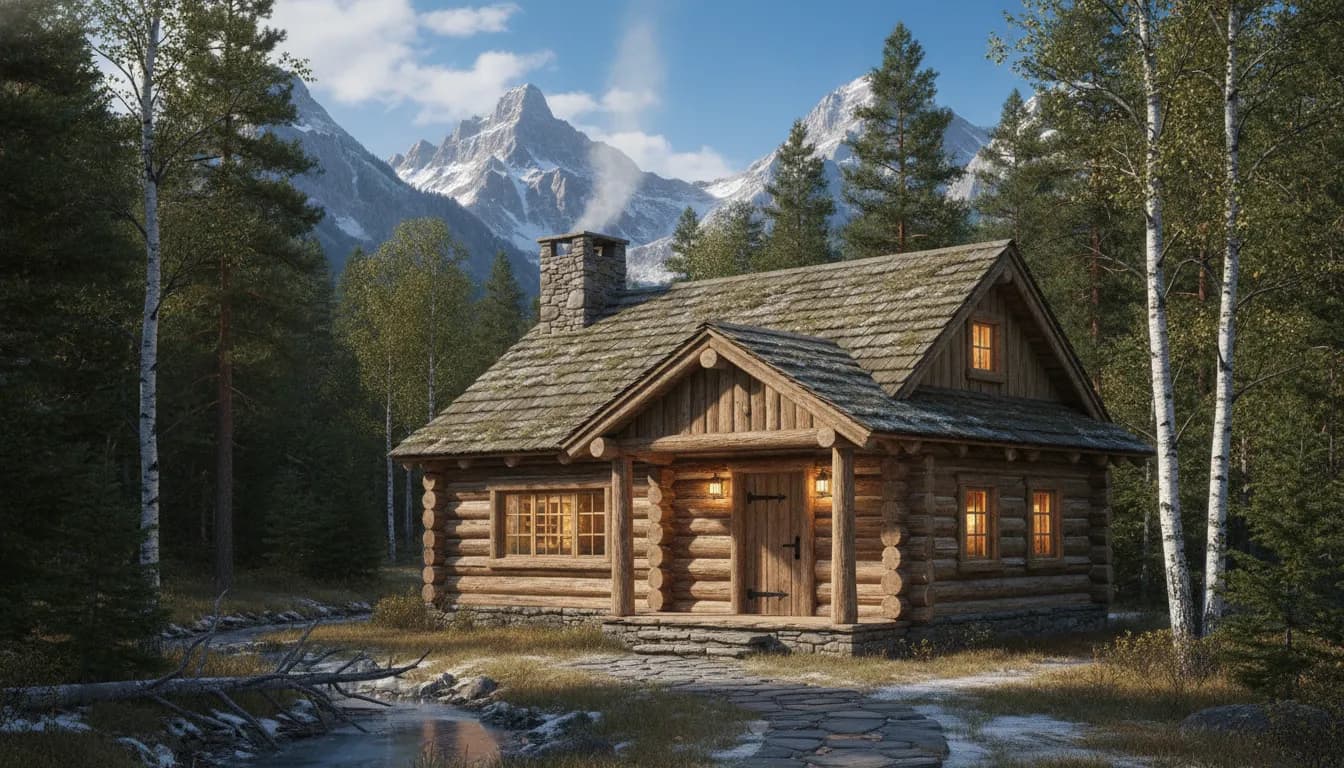
Legacy Structures explains that the three main log cabin styles are full round log, milled or dressed log, and timber frame. Full round logs use natural, notched logs for a rustic look ideal for hunting camps. Milled logs offer smooth shapes with tight joints that resist wind and rain. Timber frame buildings use a post-and-beam structure with your choice of siding. Each style serves a different purpose, and your choice affects appearance, durability, and maintenance needs. Local dealers like Legacy Structures can walk you through each option based on your property and how you plan to use the space.
When you start your search, you will find that choosing the right style is a key step. Under a typical log cabin buyer's guide, you must look at size, style, cladding, and roof options to find the best fit for your land. The style you choose changes how the cabin looks, how long it lasts, and how you can use it. Classic cabins come in three main building styles, and each has its own place on your property.
Classic Log Cabin Styles
The first style is the full round log build. This style uses natural, round logs that notch together at the corners. It offers a rustic, hand made look that fits well in deep woods. The second style is the milled or dressed log build. These logs go through a machine to give them a smooth, uniform shape. They fit tightly together, which helps keep out wind and rain. The third style is the timber frame build. This method uses a strong post and beam wood frame. The walls sit inside the frame, which lets you choose different types of siding on the outside.
| Feature | Full Round Log | Milled / Dressed Log | Timber Frame |
|---|---|---|---|
| Appearance | Rustic, natural | Smooth, uniform | Post-and-beam frame with varied siding |
| Weather Resistance | Moderate; needs regular sealing | High; tight joints reduce drafts | High; siding provides extra protection |
| Best Use | Weekend getaway, hunting camp | Full-time home, guest house | Workshop, home office, hobby space |
| Maintenance Level | Higher; logs must be re-stained | Moderate; uniform surface is easier to treat | Lower; siding is easier to maintain |
Matching the Cabin Style to Your Needs
Each building style works best for a specific use. A full round log cabin makes a great weekend getaway or hunting camp where you want a traditional feel. Milled cabins are excellent for full time homes or backyard guest houses because their tight seals keep the space warm. If you need a hobby workshop, home office, or a place to store tools, a timber frame style is highly durable and easy to set up. No matter the use, you must plan your walls to fit your needs. While a standard wall height is seven feet, six inches, you can raise the walls to eight. Nine, or ten feet to increase the spacious feel of the interior of your cabin.
Custom Cabin Designs for Your Property
Finding a building that matches your vision is simple when you work with local builders. You can view customizable log cabin designs that let you choose the exact layout, doors, windows, and wall heights for your project. Choosing the right design ensures your new structure is both functional and beautiful for years to come.
What Size Log Cabin Do I Need for My Property?
Legacy Structures explains that choosing the right log cabin size depends on how you plan to use the space today and in the future. Small cabins like 8x12 work best as backyard offices or creative studios. Mid-size cabins like 12x20 provide space for a one-bedroom retreat or a hobby shop. Large cabins starting at 20x30 or more can serve as full guest houses with multiple bedrooms and a bathroom. Before you decide, measure your available land, check local zoning setbacks, and plan for utility access. A local dealer can help match the size to your property.
Selecting the right dimensions for your outdoor building is one of the most critical steps in planning. According to industry guides, a smart buyer must carefully balance size, style, cladding, and base preparation to ensure a successful setup (Tiger Sheds). When you choose the size of your cabin, you must think about how you will use the space today and in the future.
Small Cabins for Single-Room Needs
Small cabin sizes like an 8x12 layout are perfect when you need a simple, single-room space. These compact structures work best as backyard offices, quiet creative studios, or basic portable cabin storage solutions. Because of their small footprint, they fit easily into tight yards and require minimal ground prep. Making them a fast and affordable way to add functional space to your property.
Mid-Size Cabins for Extra Comfort
If you want a separate room or a larger workspace, a mid-size cabin like a 12x20 layout is a great choice. This size provides enough floor space to set up a cozy one-bedroom retreat, a spacious hobby shop, or a split-use storage and utility room. The extra width and length give you more design options, letting you add a small partition wall or a comfortable seating area without making the interior feel cramped.
Large Cabins for Multi-Room Living
For those who need a full guest house, a rental unit, or a multi-room workshop, large structures starting at 20x30 or more are the ideal choice. These spacious cabins allow for multiple bedrooms, a full bathroom, and a main living area. If you also need secure space for vehicles or equipment, explore our double-wide garages. When planning a cabin of this size, you must check your local zoning setbacks and land limits to ensure the building complies with local property rules. You will also need to plan for utility lines, such as water, power, and sewer access, which require clear path space during site preparation.
Custom Design and Layout Planning
No matter which size category fits your needs, planning your layout before building is essential. You can design your own layout using the 3D shed builder to make sure every window and door sits in the perfect spot for natural light. Using this digital builder tool lets you see exactly how the structure will look on your land. Helping you choose the right width, length, and wall height for your specific property needs.
Key Construction Features to Look For
Legacy Structures explains that the most important construction features to check when buying a log cabin are the wood quality, joinery method, sealants, and energy efficiency. High-quality builders use dry, dense wood to minimize cracking, dovetail joinery for tight corners, and premium sealants to keep out moisture. Look for ring-shanked galvanized nails, water-sealed siding, and treated floor decking. A solid 5-year warranty signals confidence in the build. These features determine how well the cabin holds up against weather and how much maintenance it will need over time.
When you use a log cabin buyer's guide, you must look closely at how the builder makes the structure. The wood species and quality of the logs are the first things to check. Some logs can develop cracks, which builders call checking. This is a natural drying process, but good builders choose dry wood to reduce big splits. You also want to look at the wood grain and density, as these affect how well the cabin holds up over time.
Log Cabin Joinery Methods
The way wood fits together at the corners is vital for strength and sealing. Many builders use the dovetail method, where the log ends interlock in a tight shape. This keeps the corners strong and helps shed rainwater. Another style is the butt-and-pass method. In this style, logs simply overlap each other at the corners. Dovetail corners often stay tighter over time, while butt-and-pass is easier to build but may need more care to keep out wind and rain.
Sealants and Air Protection
To keep wind and rain out of your home, you need the right materials in the joints. Builders use different types of sealants to fill gaps between the wood logs. Choosing the right sealant is critical for the durability and performance of log home joinery. You can find sealants made from acrylic latex, butyl, MS polymer, or polyurethane. Each type has its own pros and cons for keeping air and moisture out as the wood moves with the seasons.
Energy Efficiency and Thermal Mass
Wood logs do a great job of keeping a cabin warm in the winter and cool in the summer. This is due to the natural weight and thickness of the wood. Log homes provide thermal mass benefits that contribute to their energy efficiency and overall performance. The thick wood walls store heat during the day and release it slowly at night. This natural cycle helps lower your heating and cooling bills in tough climates like upstate New York.
The Legacy Structures Quality Standard
At Legacy Structures, we do not cut corners on materials or work. We build our portable buildings to last through severe Adirondack winters. We use strong ring-shanked galvanized nails that hold fast and resist rust. Our floors use 5/8-inch treated floor decking to support heavy loads without sagging. We also use premium water-sealed T1-11 or LP SmartSide siding to protect your cabin from rain and snow. We stand behind our work with a 5-year warranty, which far exceeds the standard one-year warranty found in the industry. Our Mennonite craftsmen build each unit with care so you get a structure you can trust for years.
Foundation, Site Preparation, and Professional Installation
Legacy Structures explains that a proper foundation and site preparation are critical to making your log cabin last. The best base options include poured concrete slabs for maximum strength, pier blocks for drainage, and deep gravel pads that resist freeze-thaw shifting. Start with a clear, flat, well-drained site. Our team provides professional installation with up to two feet of leveling and free delivery within 30 miles of Hudson Falls, NY. Proper site prep prevents doors from sticking, walls from warping, and moisture from damaging the floor system over time.
Building a lasting cabin starts with a strong foundation. A solid base keeps the structure dry, level, and safe from ground rot. We build every cabin to withstand heavy snow and wet ground. Our team at Legacy Structures offers professional installation with up to two feet of leveling to give your building a stable start. If you want a secure build, you can check our portable cabin storage solutions to find the best design for your land.
Stephen Kanagy and our local crew understand how regional weather affects outdoor buildings. Heavy clay soils and deep winter frosts can cause the ground to shift. Without proper site preparation, a cabin can sag, which leads to doors that stick and walls that warp. Starting with a clear, flat, and well-drained site is the single best way to protect your long-term investment.
Choosing the Right Base Type
You can place a portable cabin on several base types. A poured concrete slab is the strongest option and works best if you plan to store very heavy items inside. Pier blocks or deep gravel pads also work well and help rainwater drain away from the wood. Leveling the site with crushed stone creates a firm pad that resists shifting during seasonal freeze-and-thaw cycles. Solid base prep is a key step in any log cabin buyer's guide because it keeps the floor system dry and well-supported.
If you choose a gravel pad, you should dig down about four to six inches. Fill the area with crushed stone and pack it down tight. This setup distributes the weight of the cabin evenly and keeps weeds from growing up under the floor joists. Our professional delivery team can guide you on the best pad size and depth for your specific lot.
Managing Water and Air Infiltration
Water and wind can damage a cabin if you do not seal the joints. Stopping air and water leaks requires a systems approach that seals joints, corners, and openings. This complete sealing strategy ensures lasting dry walls. Proper drainage around the perimeter also keeps water from pooling near the floor joists.
A proper seal must block wind from blowing rain into the corner notches. We use high-grade sealants at joints and penetrations to create a continuous barrier. Pairing these sealants with our durable siding materials ensures that damp air stays outside. By stopping moisture before it can sink into the wood, you preserve the structural integrity of your cabin for decades.
Local Building Codes and Insulation
Every cabin must meet local safety rules in New York. You must follow local building codes for vapor retarders and insulation setup to keep heat inside during cold Adirondack winters. Using a vapor barrier under the floor stops cold ground moisture from rising into your living space. Our crew helps you choose the right materials to ensure your building meets these strict regional needs.
Contact us to discuss your property and get a free site evaluation.
How Much Does a Log Cabin Cost?
Legacy Structures explains that the total cost of a log cabin depends on five main factors: size, materials, foundation type, delivery, and installation. Larger cabins cost more due to extra wood and labor. High-grade materials like water-sealed siding and treated floor decking add to the initial price but save money on repairs over time. Site preparation adds cost too, whether you choose a gravel pad or concrete slab. We offer two payment paths: pay the cash price upfront or use our rent-to-own program with 36-month or 48-month terms, no credit check, and instant approval. Free delivery within 30 miles of Hudson Falls helps keep your budget on track.
Planning your budget is a critical step in the log cabin buying process. To make a smart choice, you must weigh up-front costs against long-term value. Stephen Kanagy, owner of Legacy Structures, notes that many buyers focus only on the base price while overlooking delivery, site prep, and setup fees. To avoid surprises, you should plan for each cost factor early in your log cabin buyer's guide journey.
Key Cost Factors to Watch
The total price of your building depends on five main factors: cabin size, materials, foundation type, delivery, and installation. Larger sizes naturally cost more due to the extra wood and labor needed. High-grade materials, like water-sealed siding and sturdy floor decking, also affect the initial cost but save you money on repairs down the road. Industry guides suggest that planning your layout and roof style ahead of time is key to staying within your budget.
You must also budget for site preparation. A flat, level base is required to keep your cabin stable and dry over time. Whether you choose a simple gravel pad or a concrete slab, site prep will add to your total setup cost.
Flexible Financing Options
We believe in upfront, clear pricing to help you plan with confidence. To make your purchase easy, we offer two main payment paths. You can choose to pay the cash price upfront, or you can use our flexible rent-to-own (RTO) program. Our RTO plan features 36-month or 48-month terms with no credit check and instant approval. This allows you to get your cabin now and pay for it in low monthly steps. It is an easy way to fit a high-quality building into your monthly budget without a large cash layout.
Free Delivery and Easy Setup
Delivery and setup can often add hundreds of dollars to your final bill with other dealers. At Legacy Structures, we help you save on these final steps. We provide free delivery and professional leveling within a 30-mile radius of our shop in Hudson Falls, NY. Our team will bring your cabin to your property, level it up to two feet, and make sure it is ready to use. This free service helps you keep your budget on track while ensuring your building is set up safely for the harsh Adirondack winters.
For more information on our flexible payment plans, visit our rent-to-own page.
Log Cabin Maintenance Tips for Long-Term Durability
Legacy Structures explains that regular maintenance is the single most important factor in preventing costly structural damage to your log cabin. Inspect your cabin twice each year in spring and fall. Walk the exterior, checking joints and corners for soft spots, mold, or pest holes. Keep gutters clean and downspouts directing water at least three feet away from the base. Maintain a two-foot clearance between cabin walls and plants or wood piles. Reapply sealants every three to five years using specialized log home caulk that expands and contracts with the wood. Early detection of small issues prevents major structural repairs down the road.
Inspect Your Cabin Regularly
You should inspect your cabin twice each year, once in spring and once in fall. Walk around the exterior and look closely at the logs, especially the joints and corners where logs meet. Check for soft spots, mold, or tiny holes that could indicate wood-boring pests. Pay special attention to the side of the cabin that faces the most sun and wind, as these areas wear down fastest. Finding small issues early allows you to fix them before they turn into major structural repairs.
Manage Moisture and Shield Your Logs
Water is the greatest enemy of any wood building. To protect your walls, you must keep water away from the logs. Ensure your gutters are clean and free of leaves so rainwater can drain away from your cabin walls. Downspouts must carry water at least three to four feet away from the base of the cabin. In the Adirondack region, heavy snow and the constant freeze-thaw cycle can build up ice dams on roofs. Which forces water under shingles and down onto the log siding.
Keep plants, bushes, and wood piles at least two feet away from your cabin walls to allow air to flow freely. This airflow dries out the wood after rain or heavy snow. Ensure the ground around your cabin slopes away from the foundation so water does not pool near the base logs.
Choose and Apply the Right Sealants
Keeping your logs weather-tight requires high-quality sealants to fill gaps between joints and around windows. You should use specialized log home caulk or chinking that expands and contracts as the wood moves with the seasons. Traditional hardware store caulk will soon pull away from the logs, leaving gaps for cold air and rain to seep inside.
Choosing the right sealant, such as acrylic latex, butyl, MS polymer, or polyurethane, is critical for the durability and performance of log home joinery. Apply fresh sealants every three to five years, or whenever you notice existing seals cracking, peeling, or pulling away from the wood. This simple step keeps your cabin energy-efficient and dry year-round.
Why Choose a Local Dealer for Your Log Cabin
Legacy Structures explains that buying from a local log cabin dealer offers major advantages over national chains or online-only retailers. A local dealer understands regional weather conditions, soil types, and building codes. You get personalized service, the ability to see and touch actual buildings before you buy, and support from a team that lives and works in your community. A family-owned local dealer stands behind every building with a strong warranty and provides free delivery and professional installation because they care about their reputation in the community they serve.
Choosing a local dealer over a national chain makes a big difference in your buying experience. Stephen Kanagy founded Legacy Structures in Hudson Falls, NY, with a simple mission: provide top-quality portable buildings with honest pricing and personal service. When you buy local, you get expert advice from someone who understands the unique weather challenges of the Adirondack region. You can visit our lot, inspect the buildings in person, and discuss your project face-to-face with the people who will build your structure.
Personal Service and Customization
When you work with a local dealer, you are not just a number in a system. We take the time to understand your specific needs and help you choose the right size, style, and features for your property. At Legacy Structures, we offer a 3D shed builder that allows you to customize your building down to the smallest detail. Explore our full range of structures including backyard barns, storage sheds, portable garages, and A-frame cabins.
A Warranty You Can Trust
Our 5-year warranty is one of the strongest in the industry. Most dealers offer only a one-year warranty, but we stand behind our craftsmanship for five full years. This confidence comes from the quality of our materials and skilled craftsmen. When you buy from Legacy Structures, you buy a building that is built to last.
Learn more about Stephen Kanagy and the Legacy Structures team.
Frequently Asked Questions
What is the best foundation for a log cabin?
The best foundation depends on your site conditions. A poured concrete slab offers the strongest support for heavy loads. Pier blocks and deep gravel pads work well for portable cabins and allow rainwater to drain away from the wood. For properties in the Adirondack region, a compacted gravel pad that resists freeze-thaw shifting is often the most practical choice. Legacy Structures can advise on the best base for your specific lot.
How long does a log cabin last?
A well-built log cabin with proper maintenance can last 50 years or more. The key factors are the quality of the initial construction, the type of wood used, and consistent upkeep including sealing, moisture management, and regular inspections. Legacy Structures builds cabins with premium materials like water-sealed T1-11 or LP SmartSide siding and treated floor decking to maximize longevity.
Can I finance a log cabin purchase?
Yes. Legacy Structures offers flexible financing through our rent-to-own program with 36-month or 48-month terms. There is no credit check required and approval is instant. You can also choose to pay the cash price upfront for the best value. Our goal is to make it easy for you to get the cabin you need with a payment plan that fits your budget.
Do I need a building permit for a log cabin?
Most towns and counties in New York require a building permit for structures over a certain size. You should check with your local building department before purchasing. Legacy Structures can provide guidance on what to expect and help you understand the requirements in Washington, Warren, Saratoga, and Essex counties where we regularly deliver and install.
What size log cabin do I need for a guest house?
For a guest house with a separate bedroom and living area, a mid-size cabin around 12x20 is a good starting point. For a full guest house with multiple bedrooms and a bathroom, look at cabins starting at 20x30 or larger. Consider how many guests you will host, whether you need a kitchen area, and your local zoning requirements before deciding on a size.
Ready to Find Your Perfect Log Cabin?
Choosing the right log cabin is a big decision, but you do not have to make it alone. Stephen Kanagy and the team at Legacy Structures are ready to help you find the perfect building for your property. We offer free delivery within 30 miles of Hudson Falls, NY. Professional installation with up to two feet of leveling, and flexible rent-to-own financing with no credit check required. Every building we sell is backed by our 5-year warranty and built by skilled Mennonite craftsmen using premium materials.
Call us today at 518-544-2889 to schedule your free consultation, or contact us online to get started.