
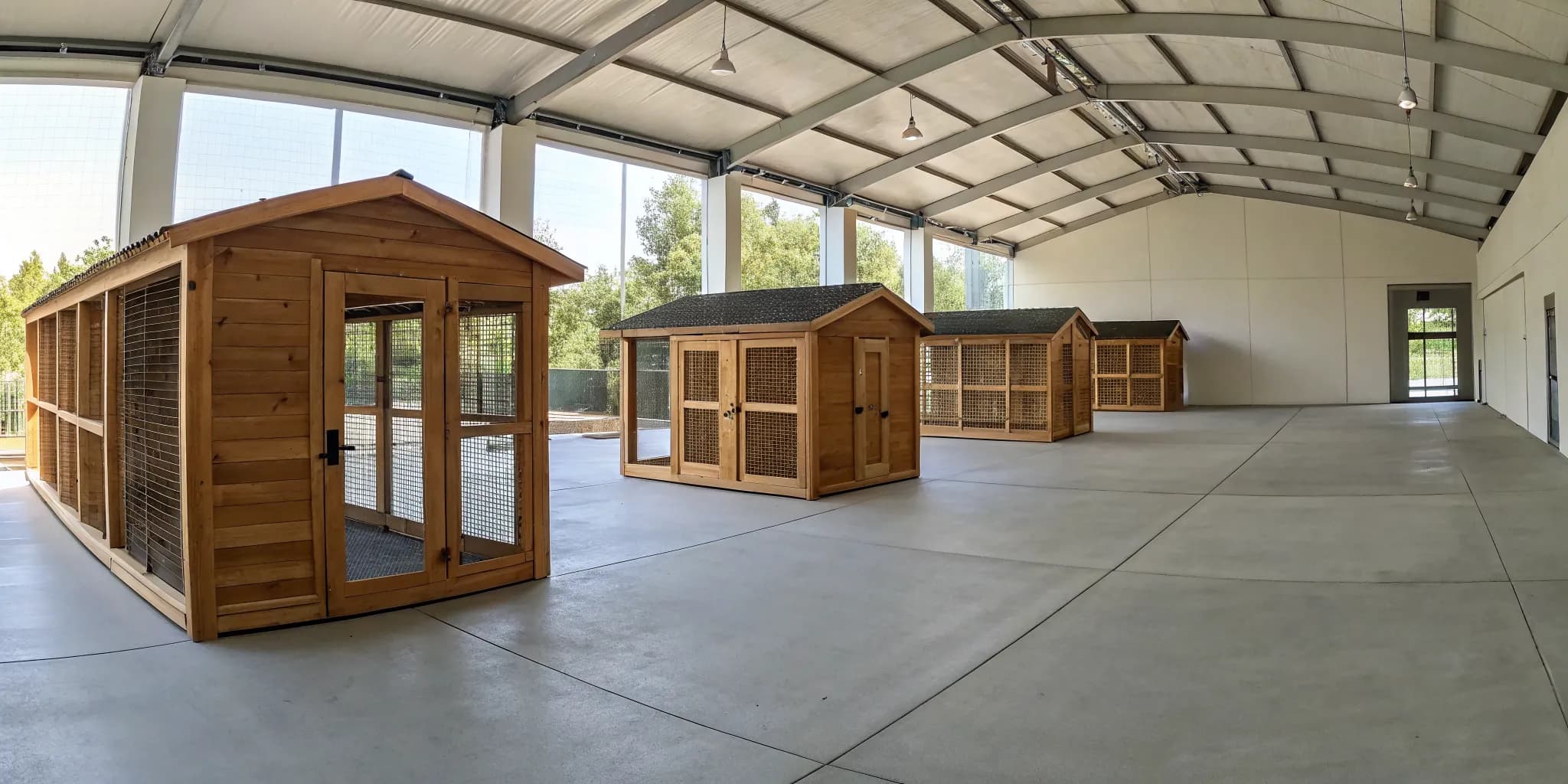
If you’re tired of crouching down to gather eggs or dreading the back-breaking work of cleaning a cramped coop, you’re not alone. Keeping chickens should be a rewarding experience, but a poorly designed coop can turn daily chores into a hassle. This is where a walk-in design completely changes the game. It provides enough headroom for you to stand comfortably inside, making tasks like cleaning, feeding, and collecting eggs so much simpler. For your flock, the extra space and improved ventilation create a healthier, less stressful environment. This guide is your complete resource for finding the perfect large walk in chicken coop for sale, covering everything from essential features to budgeting, so you can invest in a home that makes life better for both you and your birds.
Key Takeaways
- Focus on Function First: A great coop is more than just looks; prioritize features like excellent ventilation, predator-proof security, and an easy-to-clean design to keep your flock healthy and your daily chores manageable.
- Get the Right Size for Your Budget: Plan for at least three to four square feet of space per chicken and consider buying a slightly larger coop to accommodate future flock growth. Understanding the price factors and exploring rent-to-own options helps you invest wisely.
- Check the Logistics Before Committing: Your coop needs to work for your specific property, so confirm local zoning rules, choose a structure built for your climate, and verify the builder's warranty and delivery process to ensure a perfect fit.
Is a Large Walk-In Chicken Coop Right for You?
Deciding on the right home for your flock is a big step. If you're picturing a backyard setup that’s as comfortable for you as it is for your chickens, a large walk-in coop might be exactly what you need. Unlike smaller, standard coops that can make daily chores feel like a workout, a walk-in design changes the game. It’s less about just housing chickens and more about creating an efficient, enjoyable space for both of you. Let's break down what makes these coops different and whether one is the right fit for your backyard.
Walk-In vs. Standard Coops: What's the Difference?
The biggest difference is right there in the name: you can actually walk into them. Think of a standard coop as a compact chicken house where you might have to bend or crouch to collect eggs and clean. A walk-in coop, on the other hand, is designed with enough headroom for an adult to stand up and move around inside. This makes daily tasks so much easier. Instead of kneeling outside, you can step inside, out of the elements, to manage your coop comfortably.
How Much Space Do Your Chickens Really Need?
When it comes to your flock, space is everything. Chickens need enough room to move and stretch their wings without feeling crowded. A general rule is to provide at least two to four square feet of coop space per chicken. So, a small flock of five needs a different setup than a group of 25. It’s also smart to plan for the future. If you think you might add more birds, getting a slightly larger coop now will save you from upgrading later. A spacious coop helps keep your chickens healthy and reduces stress.
The Benefits: Healthier Hens and Easier Mornings
A walk-in coop offers major perks for both you and your birds. For your chickens, the extra space and better ventilation create a healthier living environment, which can lead to happier hens. For you, the benefits are all about convenience. Imagine starting your morning by walking into the coop to gather fresh eggs, with no bending or straining. Cleaning is simpler when you can stand up and access every corner. Plus, many walk-in chicken coops are built with durable materials that stand the test of time, often backed by a solid 5-year warranty.
Must-Have Features for Your Walk-In Coop
Choosing a walk-in coop is a big step, and you want to make sure you’re investing in a structure that keeps your flock safe, healthy, and happy. While aesthetics are nice, the best coops are built around function. Certain features are simply non-negotiable for creating a healthy environment for your chickens and making your life as their keeper much easier. Think of it like buying a house; you need to check for good bones before you start picking out paint colors.
When you start comparing different chicken coops, you’ll want a clear checklist of what to look for. A great coop needs excellent ventilation to keep the air fresh, top-notch security to protect against predators, and comfortable interior spaces for laying and roosting. It should also be easy for you to clean and durable enough to withstand years of use. Let’s break down the essential features that separate a basic chicken shelter from a truly great one.
Proper Ventilation and Airflow
Good ventilation is one of the most critical features for a healthy coop, yet it’s often overlooked. A chicken coop can get humid and smelly fast, leading to a buildup of moisture and ammonia. This can cause respiratory problems for your flock. Proper airflow, without creating a draft, cycles out stale air and brings in fresh air. Look for coops with vents placed high up near the roofline, as this allows warm, moist air to escape. Windows that can be opened are also great for cross-ventilation, as long as they are covered with predator-proof mesh.
Predator-Proof Security
Keeping your chickens safe is your number one job. Raccoons, hawks, foxes, and even neighborhood dogs can see your flock as an easy meal. A secure coop is your best line of defense. This means looking for sturdy construction with no flimsy panels or gaps. All windows and vents should be covered with ½-inch hardware cloth, which is much stronger than standard chicken wire. Pay close attention to the doors and nesting box access points; they should have secure, predator-proof latches that a clever raccoon can’t figure out how to open.
Comfortable Nesting Boxes and Roosting Bars
Happy hens need comfortable places to lay their eggs and sleep. Your coop should include nesting boxes that are dark, quiet, and feel private. This encourages your hens to lay in one predictable spot instead of all over the coop floor. You’ll want about one nesting box for every three to four hens. Roosting bars are just as important, as chickens naturally prefer to sleep elevated off the ground. The bars should be wide enough for them to grip comfortably and placed higher than the nesting boxes so they’ll be encouraged to sleep there.
Ample Natural Light
Just like us, chickens benefit from a bit of sunshine. Natural light helps regulate their internal clocks, which plays a role in their egg-laying cycles. It also just makes for a more pleasant environment inside the coop. Look for a design that includes windows to let in plenty of sunlight. Plexiglass or safety glass windows are a great feature, as they provide light without creating a security risk. A well-lit coop also makes it easier for you to spot any issues during your daily checks.
Easy-to-Clean Design
Let’s be honest: cleaning the chicken coop is nobody’s favorite chore. However, a coop designed with easy cleaning in mind can make the job much less painful. The walk-in design is a huge advantage here, as you can get inside with a rake and a wheelbarrow. Look for features like large doors that give you easy access and smooth interior surfaces that are simple to wipe or spray down. Some coops are built with flooring materials that resist moisture and make scraping away old bedding a breeze, which is a huge time-saver.
Durable Flooring Options
The floor of your coop takes a lot of abuse, so it needs to be durable. A solid, sturdy floor not only lasts longer but also prevents predators from digging their way in from underneath. Treated wood flooring is a common and effective option for portable structures, as it stands up to moisture and frequent cleaning. Some owners prefer a concrete floor for ultimate durability and ease of sanitizing, though this is a more permanent solution. Whatever the material, make sure it’s solid, level, and free of gaps that could harbor pests or cause drafts.
Customization and Add-Ons
Your property and your flock are unique, so your coop should be too. The ability to customize a coop allows you to create the perfect setup for your specific needs. Maybe you need the door on a different wall to fit a certain spot in your yard, or you want to add an extra window for more morning light. Many builders offer add-ons like attached runs, automatic chicken doors, or different roofing colors. Using a 3D builder tool can help you visualize these changes and design a coop that’s perfectly tailored to you and your chickens.
Sizing Your Coop: How Many Chickens Can It Hold?
Getting the right size coop is one of the most important decisions you'll make for your flock. It’s about more than just fitting everyone inside; it’s about creating a healthy and stress-free environment where your chickens can thrive. Overcrowding is a major cause of problems like pecking, bullying, and the rapid spread of illness. A cramped coop is also harder to keep clean, which can lead to respiratory issues and other health concerns for your birds. On the other hand, a coop that's too large for a small flock can be difficult for the birds to keep warm with their body heat during a chilly New York winter. The goal is to find that perfect balance. You need a coop that gives your current flock plenty of room to roost, nest, and move around comfortably, while also considering if you might add a few new friends down the road. Let's figure out the exact space you need for your current birds and talk about why planning for future growth is one of the smartest moves a chicken keeper can make.
Finding the Right Size for Your Flock
A good rule of thumb is to provide at least three to four square feet of indoor space per standard-sized chicken. For smaller bantam breeds, you can get by with about two square feet per bird. So, if you have a flock of six standard chickens, you’ll want a coop with at least 18 to 24 square feet of floor space. Don't forget about the run. Chickens need about eight to ten square feet of outdoor space each to forage and stretch their wings. Legacy Structures offers a variety of chicken coops designed to comfortably house flocks of all sizes, from a small backyard group to a larger gathering.
Planning for Future Flock Growth
If you've spent any time around chicken keepers, you've probably heard of "chicken math." It's the mysterious phenomenon where a planned flock of three chickens somehow turns into ten. It’s always wise to plan for a few extra birds, even if you don't think you'll expand your flock. Buying a coop that’s slightly larger than your immediate needs is one of the best investments you can make. It saves you from having to upgrade later and ensures your flock has room to grow without becoming overcrowded. Think of it as giving yourself options for the future. You can check out the different sizes available in our current inventory to find a coop that gives you a little extra breathing room.
Finding the Best Large Walk-In Chicken Coops
Once you know what features you need, the fun part begins: shopping for your coop. With so many builders and brands out there, it can feel a little overwhelming. To make it easier, I’ve put together a list of some of the best companies offering large walk-in chicken coops. Each one has a solid reputation for quality and design, giving you a great starting point for finding the perfect home for your flock.
Legacy Structures
As a local Hudson Falls builder, Legacy Structures is a fantastic place to start your search. Their walk-in chicken coops are designed with both you and your flock in mind, featuring plenty of space, great ventilation, and cozy nesting boxes that make egg collecting a breeze. What I really appreciate is their focus on quality materials and construction that stands up to New York weather. Plus, their coops are highly customizable, so you can get the exact layout and features you want. They back their work with a 5-year warranty, giving you confidence that you’re making a solid, long-term investment for your backyard farm.
OverEZ Chicken Coop
If you love having a ton of options, OverEZ is a brand to check out. They are known for offering one of the widest selections on the market, with around 20 different models to choose from. Their walk-in coops start at a very accessible price point and go up to larger, more feature-rich bundles, so there’s likely something that fits your budget. This variety makes it easier to find a coop that matches the size of your flock and the specific needs of your property without feeling limited. They are a popular choice for those who want to compare many different styles and price points from a single brand.
Little Cottage Company
Little Cottage Company has built a strong reputation for its impressive craftsmanship and charming designs. Their coops often have a classic, rustic look that can add a lot of character to your backyard. Beyond aesthetics, their structures are built to be durable and highly functional, ensuring your chickens have a safe and comfortable home for years to come. They offer a curated selection of walk-in coops that cater to different flock sizes. If you value traditional woodworking and a well-built structure that’s as beautiful as it is practical, this company is definitely worth a look.
EZ-Fit Sheds
EZ-Fit Sheds strikes a great balance between practical design and clean aesthetics, making them a solid choice for any chicken keeper. Their walk-in coops are designed to be straightforward and user-friendly, with a focus on providing a safe environment that’s also simple to maintain. This makes them an excellent option whether you’re just starting your flock or you’re an experienced owner who values efficiency. Their designs provide a comfortable space for your chickens while blending nicely into your property. For a no-fuss, reliable coop that gets the job done well, EZ-Fit is a strong contender.
Absco
Known for its focus on extreme durability, Absco is another brand that produces high-quality walk-in chicken coops. Their products are engineered to be tough and resilient, specifically designed to withstand harsh weather conditions while keeping your flock secure. This makes them a compelling choice if your top priority is finding a structure that will last for the long haul with minimal upkeep. While they are an Australian-based company, their coops are available through various retailers in the US. If you’re looking for a heavy-duty, weather-resistant coop, Absco’s reputation for durability makes them a brand to consider.
How Much Does a Large Walk-In Chicken Coop Cost?
Figuring out your budget is a great first step when you’re ready to bring home a new coop. The cost of a large walk-in chicken coop can vary quite a bit, depending on size, materials, and features. Generally, you can think about the prices in three main tiers, from basic starter models to fully custom-designed structures. Understanding these ranges will help you find the perfect coop that fits both your flock’s needs and your wallet.
Entry-Level Options ($595–$1,500)
If you're just starting your chicken-keeping journey or have a small flock, an entry-level coop is a fantastic and affordable choice. In this price range, you’ll find ready-to-assemble kits and smaller pre-built models that provide all the essential features your chickens need to be safe and comfortable. While they may be more basic in design, these coops still offer the convenience of a walk-in structure, making cleaning and egg collecting much easier. These options are perfect for getting your feet wet without a huge initial investment, providing a secure home for a handful of happy hens.
Mid-Range Options ($1,500–$4,000)
For those looking for a bit more durability and space, the mid-range category offers a great balance of quality and value. Coops in this price bracket are often built with higher-grade materials, feature more thoughtful designs, and can comfortably house larger flocks of up to fifteen chickens. You’ll start to see more convenient features like better ventilation systems, more spacious nesting boxes, and easier-to-clean surfaces. This price point is the sweet spot for many serious hobbyists who want a reliable, long-lasting structure that will stand up to the elements and grow with their flock. You can often find excellent pre-built chicken coops in this range.
Premium and Custom-Built Coops ($4,000+)
If you have a large flock or simply want the best for your birds, a premium or custom-built coop is the ultimate investment. Starting at around $4,000, these high-end structures are built with superior materials and can be tailored to your exact specifications. Whether you need space for dozens of chickens, want specific aesthetic details to match your home, or desire advanced features like automatic doors and integrated storage, a custom build delivers. Using a 3D shed builder allows you to design every aspect of your coop, ensuring it’s a perfect fit for your property and your management style.
What Factors Influence the Price?
So, what makes one coop cost more than another? Several key factors come into play. The most obvious is size; a larger coop that provides more square footage per bird will naturally cost more. The quality of materials is another major driver. Coops built with pressure-treated lumber, durable metal roofing, and predator-proof hardware will have a higher price tag but also last much longer. Finally, the features you choose will influence the cost. Things like the number of nesting boxes, window styles, ventilation systems, and ease-of-access doors all contribute to the final price. A strong 5-year warranty is often a sign of high-quality materials and construction.
Should You Consider a Rent-to-Own Coop?
A high-quality, walk-in chicken coop is an investment in the health and safety of your flock. But what if you’re not ready to pay the full cost upfront? This is where a rent-to-own program can be a great solution. It allows you to get the coop you need now while spreading the cost over time with manageable monthly payments, making it a practical path to ownership. This approach is especially helpful for new chicken keepers who want to manage their initial setup costs without compromising on quality.
The main advantage of a rent-to-own plan is financial flexibility. Instead of a single large expense, you have a predictable monthly payment that fits into your budget. This makes it possible to acquire a sturdy, well-built chicken coop that might otherwise be out of reach. This arrangement also gives you a chance to use the coop and confirm it’s the right fit for your flock and property. You can assess the size, layout, and features in a real-world setting before you’re fully committed to the purchase.
Of course, it’s important to weigh the other side of the coin. The total amount you pay through a rent-to-own agreement will typically be higher than the coop's sticker price; you are paying for the convenience of financing over time. Before signing, read the agreement carefully to understand the terms. Pay attention to the total cost, the length of the contract, and any rules about modifications you can make during the rental period. Understanding these details ensures there are no surprises down the road.
Ultimately, the goal of a rent-to-own plan is full ownership. After your final payment, the coop is 100% yours. You’ll have a durable, lasting home for your chickens that you were able to acquire in a way that worked for your financial situation. It’s a smart way to invest in your flock’s future without having to wait, ensuring they have a safe and comfortable space from day one.
How to Choose the Right Coop for Your Property
Once you’ve narrowed down your options, it’s time to think about how a coop will fit on your specific piece of land. The perfect coop isn’t just about the structure itself; it’s about how it works with your climate, your local rules, and your lifestyle. Taking a few extra steps to plan now will save you from headaches later and ensure your new coop is a perfect home for your flock for years to come.
Matching Your Coop to Your Climate
Here in the Northeast, our weather keeps us on our toes, and your chickens feel it too. A coop that works in a mild climate won't cut it through a New York winter. Look for a structure built with durable materials that can handle heavy snow, wind, and rain. Proper ventilation is also key. It helps keep your flock cool and dry during humid summers and prevents moisture buildup, which can lead to frostbite in the winter. A well-designed coop, like the ones from Legacy Structures, will provide a cozy, draft-free space for nesting in the cold and plenty of airflow when it’s warm, keeping your hens healthy and productive all year.
Understanding Local Zoning and Placement
Before you fall in love with a coop, you need to do a little homework. Check with your town or county office about local zoning ordinances for keeping poultry. Some areas have rules about how many chickens you can own, whether roosters are allowed, and how far your coop needs to be from property lines or your home. Once you have the rules, think about the best spot on your property. You’ll want a location that’s on high, dry ground to avoid a muddy mess. Also, consider access to water and electricity if you plan to use a heated waterer in the winter. Giving your flock enough room to roam in an attached chicken run is also a great way to keep them happy and active.
Factoring in Delivery and Setup
Getting your new coop home and set up is a major part of the process. You can choose between a DIY kit that you assemble yourself or a pre-built coop that’s delivered ready to use. While a kit might seem cheaper, remember to factor in the time and tools required for assembly. For many people, the convenience of a pre-built coop is well worth it. Companies that specialize in portable buildings can often deliver the finished coop and place it exactly where you want it, saving you a full weekend of work and potential frustration. All you have to do is add the chickens.
Checking for Durability and Warranty
A chicken coop is an investment, so you want to make sure it’s built to last. Pay close attention to the materials and construction quality. Look for features like pressure-treated lumber for the base, sturdy siding, and a solid roof that will protect your flock from predators and the elements. A company’s warranty is a great indicator of its confidence in the product. While some warranties last only a year, others offer much more protection. For example, Legacy Structures provides a 5-year warranty on its buildings, which gives you peace of mind that your investment is covered. A strong warranty means the builder stands behind their work.
What Are Other Chicken Owners Saying?
One of the best ways to feel confident about buying a walk-in coop is to hear from people who have already been through the process. Reading reviews and learning about others' experiences can give you a realistic picture of what to expect. It helps you spot the difference between a nice-to-have feature and a true must-have, and it prepares you for the practical side of owning a large coop. Let’s look at what fellow chicken keepers are saying about their walk-in coops, including the highlights and the important details to consider before you buy.
What Buyers Love Most
Across the board, chicken owners rave about coops that make their daily chores easier and keep their flock happy. Functionality is a huge win. People appreciate designs that are easy to clean and provide excellent airflow, which is critical for preventing respiratory issues in chickens. Buyers also love seeing their hens comfortable, so they often praise coops with plenty of room to move around and cozy, secure nesting areas for egg-laying. Beyond the chicken-centric features, buyers consistently give high marks for sturdy construction and great customer service. A well-built chicken coop that is quick to set up and backed by a helpful company makes the entire experience positive from day one.
Common Concerns to Address Before You Buy
While most owners are happy with their investment, there are a few key things they recommend looking into before you make a final decision. First is the warranty. Protection can vary wildly from one company to the next, with some offering as little as one year and others providing a 5-year warranty or more. A solid warranty shows the builder stands behind their work. Second, be prepared for a wide price range. A large, custom coop is a significant investment, with some premium models costing thousands. It’s wise to set a budget but also to understand what you’re getting for the price. If the upfront cost is a hurdle, see if the company offers a rent-to-own program to make it more manageable.
Where to Buy Your Walk-In Chicken Coop
Once you know what you’re looking for in a coop, the next step is finding where to buy it. You have a few great options, and the right choice really depends on your priorities. Are you looking for a fully custom design, the convenience of online shopping, or the ability to see a coop in person before you buy? Let's walk through the most common places to find your perfect walk-in chicken coop.
Custom Builders and Portable Building Companies
If you want a coop that’s built to last and tailored to your exact needs, a custom builder is your best bet. Companies that specialize in portable buildings can create a structure that perfectly fits your property and flock size. You get to work with experts who understand quality construction and can guide you on materials and design. This route gives you a high-quality, durable coop that often comes with a solid warranty. For example, you can get chicken coops designed to house anywhere from a small handful of hens to a flock of 15 or more. It’s a fantastic option for getting a personalized solution without the stress of a DIY project.
Online Retailers
Shopping online offers incredible convenience and a massive selection of walk-in coops. You can browse hundreds of models from various brands right from your couch, making it easy to compare features and prices. Many online retailers offer coops in a wide price range, from budget-friendly kits to more elaborate, high-end structures. While the variety is a huge plus, keep in mind that you'll likely have to assemble the coop yourself. It's also important to read reviews carefully and factor in potentially high shipping costs for such a large item before you click "buy." Make sure you understand the return policy, just in case it isn't the right fit for your flock.
Local Farm Supply Stores
Don’t forget to check out your local farm supply or feed stores. Buying locally allows you to see the coops in person, so you can touch the materials and get a real sense of the size and build quality. The staff at these stores are often very knowledgeable about raising chickens and can offer practical advice. They typically stock coops designed to hold up in the local climate, ensuring your hens stay safe and comfortable year-round. While their selection might be smaller than what you'd find online, you can often find great, ready-to-go options and support a local business at the same time. You can even check a local builder's inventory to see what's available for quick delivery.
Related Articles
Frequently Asked Questions
Are walk-in coops really worth the extra cost compared to smaller ones? For many chicken keepers, the answer is a definite yes. The extra cost is an investment in your own time and comfort, as well as your flock's health. Being able to stand up inside makes daily chores like cleaning, gathering eggs, and refilling food and water so much easier and faster. This improved space and ventilation also create a healthier environment for your chickens, which can lead to fewer health issues and more consistent egg laying.
What's the most important thing to figure out before I start shopping for a coop? Before you even look at models, you need to know two things: your ideal flock size and your local rules. First, decide how many chickens you plan to keep, and be honest about "chicken math" by adding a few more to that number for future growth. This determines the coop size you need. Second, check with your town or county about zoning ordinances for keeping poultry. Knowing the rules for placement and flock size from the start will save you from major headaches later.
Should I buy a pre-built coop or a DIY kit? This really comes down to a choice between time and money. A DIY kit might have a lower initial price, but you need to be confident in your building skills and have the time and tools to assemble it correctly. A pre-built coop offers total convenience. It arrives professionally constructed and ready for your flock, saving you a weekend of work and ensuring the structure is secure from day one.
Is rent-to-own a good deal for a chicken coop? Rent-to-own can be a fantastic solution if you want a high-quality coop now but prefer to spread the cost over time. It makes getting a durable, well-built structure more accessible by breaking the price into manageable monthly payments. The trade-off is that the total cost will be higher than paying upfront. It's a good deal if budget flexibility is your main priority, just be sure to read the agreement so you understand the full financial commitment.
What kind of customizations can I actually make to a coop? Customization goes far beyond just picking a paint color. With a quality builder, you can often choose the placement of doors and windows to best suit your property's layout and sun exposure. You can also select different roofing materials, add an attached run for secure outdoor time, or include features like automatic doors. Using a 3D builder tool is a great way to experiment with these options and design a coop that is perfectly tailored to your needs.