
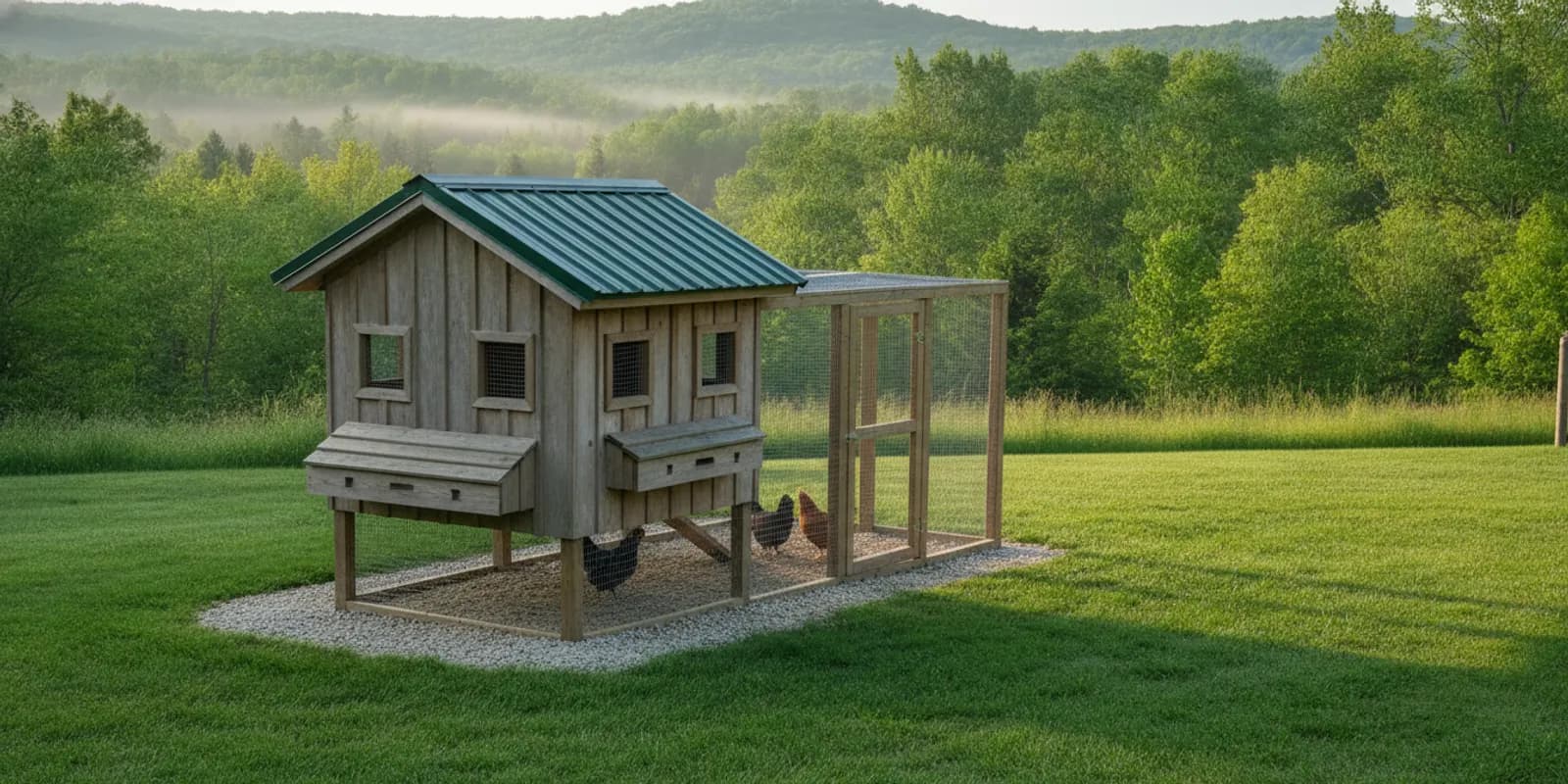
Wondering how to keep snakes out of chicken coop? Focus on two things: block the openings a snake could use, and make the area around the coop less attractive to snakes and their prey. No barrier can promise that wildlife will never visit, but careful construction, daily habits, and regular checks can make a coop harder to enter.
Talk with us about a chicken coop
For a chicken keeper, a snake near the coop can be unsettling. The practical response is not to chase or handle it. Instead, keep people and birds at a safe distance, check for entry points after the area is clear, and improve the building and routine. These steps are useful whether you are maintaining an existing coop or choosing a new one for a property in Hudson Falls or elsewhere in Upstate New York.
Why do snakes come near a chicken coop?
A coop can offer the same things that attract other wildlife: a sheltered place to hide and potential prey. Rodents may be drawn by spilled feed, while eggs, chicks, or other small animals can also be food for some snakes. The combination of a quiet hiding spot and accessible food can make the area worth exploring.
That does not mean every snake near a coop is there to attack chickens. Snakes are part of the local environment, and many avoid people. The goal is to reduce the reasons to visit and prevent entry, not to assume that every snake is dangerous or to try to kill it. A snake outside a secured coop is a different problem from one inside the enclosure.
Start by noticing where activity occurs. Look for shed skins, tracks in dusty areas, disturbed feed, missing eggs, or gaps along the coop and run. These clues do not always identify the animal responsible, so avoid making a species identification based only on a trace. A careful inspection can still show where a barrier or housekeeping change is needed.
How can you make the coop harder to enter?
Walk around the entire structure and inspect it at ground level, then check higher openings and places where materials meet. Look at door edges, corners, vents, gaps around pipes or wiring, access panels, and the points where the run attaches to the coop. A small opening can be easy to overlook when you focus only on the door.
Kentucky's wildlife guidance advises checking for openings of 1/4 inch or more and filling them; use that as a practical reminder to look closely rather than assuming a gap is too small to matter. Read Kentucky's snake guidance on checking openings. The document is a general reference, so inspect your own coop carefully and choose durable materials suitable for its construction.
- Fit doors closely. Check that doors shut fully and that the bottom and side edges do not leave a pass-through gap. Repair worn latches and warped or damaged edges.
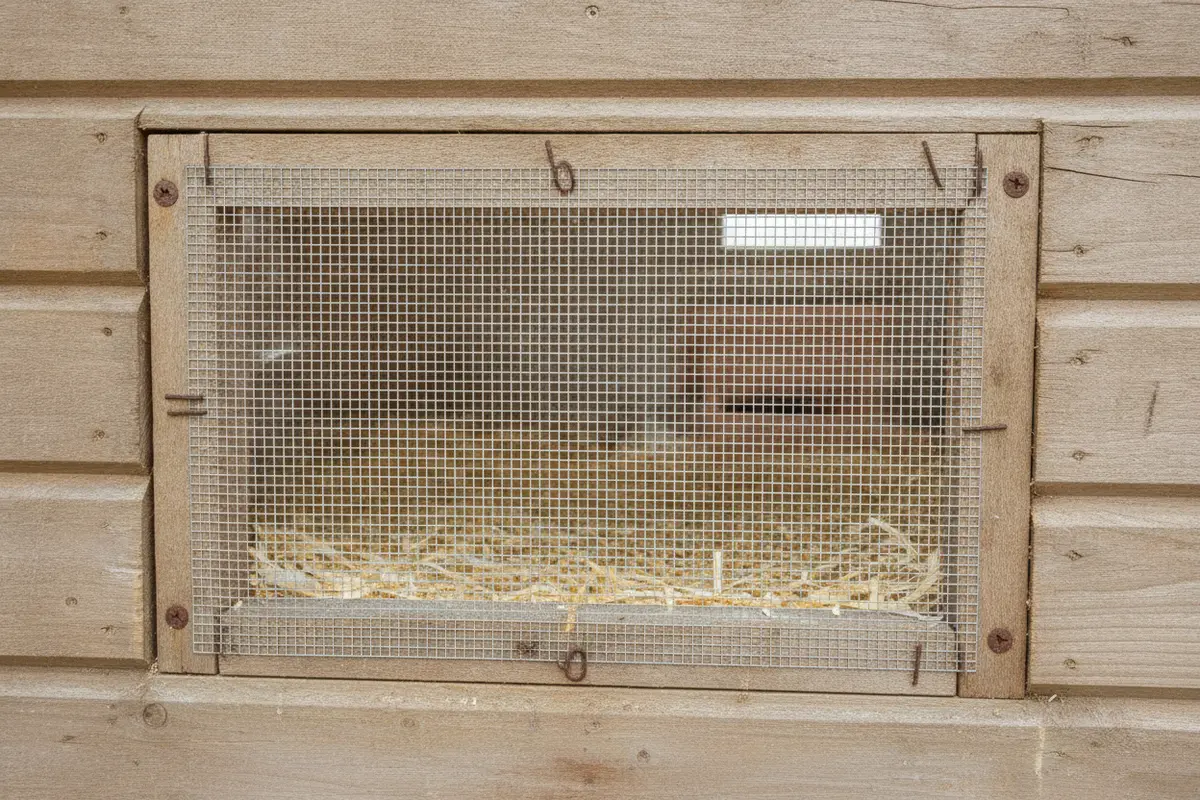
- Cover vents and other openings. Use sturdy, corrosion-resistant hardware cloth or similar rigid mesh with openings small enough to block entry. Attach it securely around the full edge; a loose corner can defeat an otherwise good screen.
- Inspect seams and corners. Close spaces where wall panels, trim, roof edges, and floor components meet. Use a repair material appropriate for the opening and building rather than relying on a loose board or temporary fabric.
- Check the run, not just the coop. Inspect the connection between run and coop, access gates, and any covered portions. A secure sleeping area does not help much if an animal can enter the attached run and reach birds or feed.
- Recheck after repairs. Open and close every door, look at mesh from both sides, and inspect the perimeter again after wind, snow, or maintenance work.
Mesh needs to be firmly attached and in good condition. Thin netting, loosely draped screen, or a patch with an unfastened edge may tear, sag, or leave a route around it. When selecting a mesh size, think about the smallest likely visitor you are trying to exclude, not only the largest snake you have seen. Keep ventilation open and do not block airflow while sealing gaps.
Think through the installation before cutting or fastening material. Measure the opening, choose a screen that covers the whole frame, and make sure the border can be fixed firmly without sharp exposed edges. If a vent has a movable cover, confirm the screen does not stop it from opening and closing as intended. Inspect the finished work from inside and outside: a screen can look complete from one side while leaving a narrow gap at a corner or along a staple line.
Prioritize the openings that connect directly to the enclosed space, then move outward to the run and perimeter. For example, if a door has a visible gap and a vent has loose mesh, secure those first; clearing brush is useful but does not compensate for a direct route indoors. Keep a short written list of repairs so you can revisit anything that needs a proper replacement rather than treating a temporary patch as permanent.
How should you reduce food and hiding places?
Good housekeeping is part of the barrier plan. Snakes may be drawn indirectly by prey, and clutter can give wildlife cover close to the coop. Virginia's wildlife agency notes that snakes may prefer to avoid people and recommends thinking about how the landscape affects encounters. Virginia DWR explains why snakes are part of the landscape. For a coop owner, the useful takeaway is to manage the space without expecting to remove every snake from the property.
- Store feed in a closed container. Use a sturdy container with a tight-fitting lid, and clean up spills around feeders and storage areas. Avoid leaving feed outside overnight if your routine allows you to bring it in.
- Collect eggs regularly. Make egg collection part of the daily coop check. Do not leave cracked eggs or food scraps in or near the enclosure.
- Keep the perimeter visible. Mow grass around the coop and clear brush, stacked boards, and loose debris where practical. The Salt River Pima-Maricopa Indian Community's summer snake guidance also recommends removing piles of brush, boards, and wood where snakes can hide. See its summer snake-safety recommendations.
- Manage rodent attractants. Keep feed storage tidy, close containers, and address signs of rodents promptly. Do not use a control method that could put chickens, pets, or wildlife at risk; follow product labels and local guidance where a pest-control product is involved.
- Store materials away from the walls. Keep spare lumber, tools, and equipment from creating sheltered spaces right against the building. A clear inspection strip makes it easier to spot gaps and activity.
These changes will not make a yard wildlife-free. They do make it easier to see what is happening and reduce some of the conditions that bring animals close. Keep the approach realistic: tidy the immediate area, protect stored feed, and make the structure itself the strongest line of defense.
Build these tasks into a routine that fits how you care for your flock. At the end of feeding, sweep or pick up scattered grain and close the storage container. During egg collection, scan beneath nest areas for broken eggs or scraps. On a weekly walk around the building, move items that have accumulated against the walls and check that brush or tall grass has not concealed the base. Small repeated steps are often easier to maintain than an occasional major cleanup.
It also helps to separate evidence from assumptions. Feed spilled near a wall can draw rodents, but a missing egg alone does not prove a snake was responsible. Note when and where you find a clue, check for an opening nearby, and make a specific correction when there is one. That keeps prevention focused on identifiable conditions instead of encouraging risky attempts to find or remove wildlife.
What should you inspect through an Upstate New York winter?
Seasonal weather makes maintenance important. In the Hudson Falls area, rain, snow, freeze-thaw cycles, and wind can expose weak points or loosen a repair. A gap may appear after trim shifts, a screen becomes damaged, or a door no longer closes cleanly. Make a quick perimeter inspection part of seasonal coop care, especially before winter and again when conditions change in spring.
After snow or ice, clear access to doors and vents without damaging mesh or pushing material against the building. Once the area is safe to inspect, check that doors still latch and screens remain attached. Do not assume a snowbank or frozen ground has permanently sealed an opening; verify the actual edges of the structure.
Portable buildings should remain accessible for inspection and upkeep. Avoid repairs or installations that bury a building edge or make the coop difficult to maintain. Keep the base and surrounding area visible so you can notice settling, damage, water issues, or a new gap and address it promptly.
For additional product details, browse the chicken coops available from Legacy Structures and the 8 x 8 chicken coop listing. Compare the openings, doors, ventilation, and run arrangement with your own flock-care needs. Ask about setup and site preparation before delivery so you understand what needs to be ready at your location.
How can you check an existing coop methodically?
A repeatable inspection is more useful than a quick glance at the most obvious side. Choose a calm time when the birds are secured and you can move around the structure safely. Bring a flashlight, note paper, and any basic repair supplies you already know are appropriate for the coop. Do not reach into a dark cavity or put your hands where you cannot see.
- Start at the doors. Close each door as it would be at night. Look along the bottom, hinge side, and latch side for daylight or a loose fit. Test the latch, then make sure the door opens normally for daily care.
- Follow the wall line. Walk all the way around the coop and look at seams, corners, trim, and the places where the walls meet the base. Check for damaged boards, displaced trim, and spaces hidden behind stored objects.
- Look up at vents and roof edges. Confirm that mesh is present, intact, and fastened on every side. Make sure a repair has not covered ventilation or created a sharp edge where birds could be injured.
- Trace the route to the run. Inspect gates and the junction between the coop and run. Look for places where an attached panel has pulled away or where a corner is not secured.
- Check the food routine. Look at feed storage, feeders, and the ground around them. Clean up spills and decide where feed containers will be kept at the end of the day.
- Record and revisit repairs. Note any area that needs a better fix, then recheck it after repair and during the next routine inspection. A repair is complete only when its edges stay attached and the opening remains closed.
When you find a gap, think about the job the opening performs before covering it. A vent needs airflow, and a door needs to operate reliably; exclusion should not create a new problem for birds or people caring for them. If a large or structural opening is damaged, use a repair suitable for the building rather than stuffing it with loose material. If you are unsure how to repair it safely, ask a qualified person to inspect it.
Use a simple record to make follow-up practical. Write down the location, what looked loose or damaged, and whether you repaired it or still need materials or help. On the next check, compare the same point rather than relying on memory. If the same latch edge repeatedly opens, for instance, the underlying fit may need attention rather than another temporary piece of material. A repeatable route around the coop also makes it less likely that you will skip the far side, the run connection, or an elevated vent.
Which prevention steps should you prioritize?
If you are deciding what to do first, start with access points and food storage. Then improve the surroundings and set a repeatable inspection routine. The table below compares the main actions by purpose and upkeep; it is not a guarantee that a particular measure will prevent every encounter.
| Action | What it helps address | What to check |
|---|---|---|
| Seal gaps and screen openings | Direct entry through doors, vents, seams, or connections | Secure edges, intact mesh, doors that close and latch |
| Store feed and clean spills | Food sources that can attract rodents and other wildlife | Tight lids, clean floor, no feed left scattered nearby |
| Collect eggs and remove scraps | Accessible food in or around the coop | Daily collection and prompt cleanup |
| Clear brush and clutter | Hiding cover immediately beside the structure | Short grass and a visible perimeter, as practical |
| Inspect seasonally and after damage | New gaps or loose repairs that develop over time | Vents, doors, corners, seams, and run connection |
A useful order depends on what you find. If a door or mesh opening is clearly compromised, fix that direct access point first. If the enclosure is intact but feed is routinely scattered, tighten the storage and cleanup routine. If neither issue stands out, begin with a full perimeter check and remove nearby clutter that blocks your view. This sequence helps turn a broad concern into a manageable list of concrete tasks.
What should you do if you find a snake?
Do not try to pick it up, trap it, or corner it. Move people and pets away, keep chickens secured if you can do so without approaching the snake, and give the animal a clear route to leave. If it is inside the coop or in a place where you cannot safely avoid it, contact local animal-control or wildlife professionals for guidance. Do not rely on a photo or guess to decide whether a snake is harmless.
Once the area is clear, inspect the building from a safe distance and then close any access points you can identify. Review feed storage and the perimeter as well. If a snake appears repeatedly, or you cannot locate a likely route inside, ask a qualified local professional to assess the site rather than escalating to a risky hands-on response.
Have questions about choosing a coop? Call Legacy Structures at 518-544-2889.
Frequently Asked Questions
Can a snake get through chicken wire?
Chicken wire is designed to contain poultry, and its openings may not be small or secure enough to keep every small animal out. Check the size of the openings, the mesh condition, and especially the edges where it attaches. For exclusion, use sturdy mesh with suitably small openings and fasten it securely; do not leave gaps at doors, vents, or seams.
Will keeping the grass short keep snakes away?
Short grass can make the area easier to inspect and reduce cover close to the coop, but it cannot guarantee that snakes will stay away. Pair yard maintenance with sealed openings, secure feed, and regular checks.
Do snake repellents solve the problem?
Do not treat a repellent as a substitute for closing openings and removing attractants. Products differ, and their use may have restrictions or risks for chickens and other animals. Read the label and follow local guidance before using any product near a coop.
How often should I check the coop?
Look over the doors, mesh, feed area, and perimeter during routine care. Do a more thorough inspection when you prepare for a new season and after storms, repairs, or any sign of animal activity. Regular quick checks help you catch a loose screen or new opening early.
The most dependable plan is a well-maintained enclosure, less spilled feed and clutter, and a habit of checking for changes. If you are choosing a coop, consider those practical details before you bring it home.