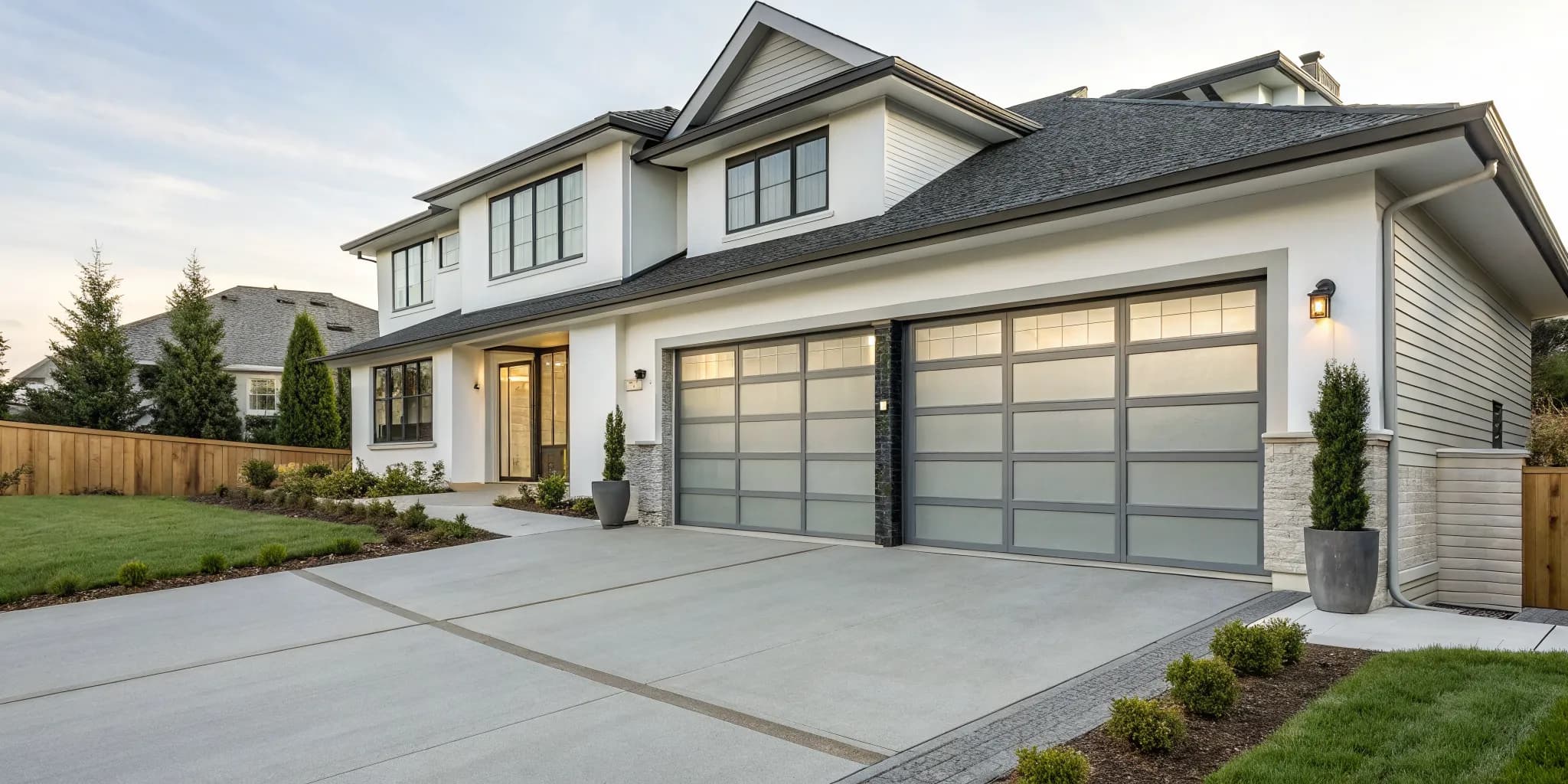
A two-car garage is more than just a place to park; it’s a workshop, a storage hub, and a shield against harsh New York weather. While the benefits are clear, the potential cost can feel like a major hurdle. You need a solid number to plan around, but getting a straight answer to "how much does a 2-car garage cost?" isn't simple. The price depends on everything from size and materials to whether you choose a traditional build or a modern portable structure. We’ll walk you through all the cost factors, helping you understand where your money goes and how to make smart choices for your budget.
Key Takeaways
- Look beyond the sticker price: The cost of the garage structure is just the starting point. Create a complete budget by factoring in necessary expenses like site preparation, foundation work, permits, and utility hookups to avoid financial surprises.
- You control the final cost: Every choice, from the garage's size to its siding, impacts the price. To get the most value, consider a prefabricated model, which often provides significant savings over a traditional stick-built project without compromising on quality.
- Plan strategically to protect your budget: Keep your project affordable by getting multiple quotes, setting aside a 10-20% contingency fund, and clearly defining your needs versus wants. For financial flexibility, look into practical solutions like portable garages and rent-to-own programs.
How Much Does a 2-Car Garage Cost?
Figuring out the cost of a new two-car garage can feel a bit like asking, "How much does a vacation cost?" The final price tag depends entirely on where you're going and what you plan to do. For a garage, the cost hinges on factors like size, materials, and whether it’s attached to your home or stands on its own. While a basic, no-frills detached garage might start around $20,000, a fully custom attached garage with high-end finishes could easily climb past $100,000.
Generally, you can expect a standard two-car garage to fall somewhere between $25,000 and $60,000. This range covers the essentials: a concrete foundation, framing, roofing, siding, and one or two garage doors. However, this is just a starting point. Adding features like electrical wiring, insulation, windows, or a second-story loft will increase the price. Your location also plays a huge role, as labor and material costs vary from one region to another. To get a clearer picture for your specific needs, you can experiment with different features and sizes using a 3D design tool to see how each choice affects the estimate.
Attached Garage Cost Breakdown
An attached garage is built directly onto your home, often sharing a wall and providing direct entry. This convenience comes with added complexity. The cost for a standard attached two-car garage typically starts between $25,000 and $50,000. This involves more than just building four walls; you have to seamlessly connect the new structure to your existing home. This means matching the roofing, siding, and overall design, as well as cutting into an exterior wall to create an entryway. For high-end projects with premium materials and finishes, the cost can quickly exceed $125,000.
Detached Garage Cost Breakdown
A detached garage is a separate, standalone structure. This option offers more flexibility in placement and design. The cost for a detached two-car garage generally ranges from $30,000 to $60,000. While they don't have the complexity of connecting to your house, they still require their own foundation, four walls, and a full roof. This category includes everything from traditional stick-built structures to modern portable garages, which are built off-site and delivered to your property. For larger projects, like a double-wide garage with custom features, costs can go higher, but the standalone nature often provides a more straightforward building process.
7 Factors That Affect Your Garage's Final Price
Figuring out the cost of a new two-car garage can feel like trying to hit a moving target. That’s because the final price tag depends on a handful of key decisions you’ll make along the way. From the garage’s footprint to the type of roof you put on it, every choice has an impact on the budget. Understanding these factors ahead of time helps you plan effectively, avoid surprises, and build a garage that meets your needs without breaking the bank. Let’s walk through the seven biggest variables that will shape your project’s total cost.
Size and Dimensions
It’s no surprise that the bigger the garage, the higher the cost. Size is the single most significant factor influencing the price, as it dictates the amount of materials, foundation work, and labor required. A standard two-car garage is often around 24x24 feet, but you might want a larger space for extra storage, a workshop, or bigger vehicles. As you increase the length, width, or height, you can expect the price to climb accordingly. Before you decide, think carefully about how you’ll use the space now and in the future. You can explore different sizes with our portable garages to get a feel for what might work best for your property.
Materials and Siding
The materials you choose for your garage’s exterior play a huge role in both its final cost and its long-term durability. Common siding options include vinyl, wood, and metal, each with its own price point and maintenance needs. While a basic vinyl siding might be more budget-friendly upfront, a premium wood or durable metal could offer better protection and a more custom look. The same goes for framing materials. Your choice will affect not only the initial expense but also how well your garage stands up to New York weather. You can experiment with different looks and materials using a 3D builder tool to see how your choices affect the design.
Foundation
Every garage needs a solid base, but the type of foundation you choose can significantly alter your budget. A poured concrete slab is a popular and durable option, but it’s also one of the more expensive choices. Other options, like a gravel pad, can be more cost-effective, especially for portable or prefabricated structures. The decision between an attached and a detached garage also impacts foundation costs. An attached unit often requires more complex work to properly connect it to your home’s existing foundation and structure, which can increase the price.
Roofing
Your garage’s roof does more than just keep the rain out; it’s a key part of its structural integrity and curb appeal. The cost will depend on the material you select and the complexity of the roof’s design. Asphalt shingles are a common and affordable choice, while a metal roof typically costs more upfront but offers a longer lifespan and excellent durability. The style of the roof, whether it’s a simple gable or a more complex design, will also factor into the labor and material costs. A quality roof is a smart investment, which is why we back our structures with a 5-year warranty for your peace of mind.
Doors, Windows, and Insulation
The features that make your garage functional and comfortable also add to the final price. This includes garage doors, windows, and insulation. A basic, non-insulated garage door will cost less than a high-end, insulated door with automatic openers. Likewise, adding windows for natural light will increase the price, as will finishing the interior with drywall and insulation. While these might seem like extras, insulation and quality finishes can make the space more versatile, turning it from simple vehicle storage into a comfortable year-round workshop or hobby area.
Location and Labor
Where you live has a surprisingly large effect on your garage’s total cost. Labor rates and material prices can vary quite a bit from one region to another, and even between neighboring towns. Building in an area with a higher cost of living generally means you’ll pay more for skilled labor. The accessibility of your property can also play a part; a difficult-to-reach site may require special equipment or more time, adding to the labor bill. Because the 2 car garage addition cost is so dependent on location, getting a quote from a local builder who understands the market is always your best bet.
Permits and Zoning
Before any construction begins, you’ll need to secure the proper building permits from your local municipality. The cost of these permits can range from a couple of hundred to a few thousand dollars, depending on your town’s regulations and the scope of your project. You’ll also need to make sure your garage plan complies with local zoning laws, which dictate things like size, height, and how far the structure must be from your property lines. These administrative steps are a necessary part of the process and should always be factored into your initial budget to avoid any costly delays or fines down the road.
Prefab vs. Stick-Built: Which Costs Less?
When you decide to add a two-car garage, one of your first big choices is how it will be built. The two main paths are a prefabricated (prefab) garage or a traditional stick-built one. Each approach has a different impact on your timeline and, most importantly, your budget. Understanding the cost differences between these methods will help you make the best decision for your property and your wallet. Let's break down what you can expect to invest in each type of garage.
The Cost of a Prefab Garage
Prefab garages are a fantastic option if you're looking for quality without the high price tag of traditional construction. Because they are built off-site in a controlled factory setting, the process is streamlined, which significantly cuts down on labor costs and material waste. This efficiency means the savings get passed on to you. Our portable garages are delivered to your property ready for use, minimizing on-site disruption. While prices vary based on size and features, a prefab structure is almost always more affordable than a comparable stick-built project, making it a practical choice for many homeowners.
The Cost of a Stick-Built Garage
A stick-built garage is constructed from the ground up on your property, piece by piece. This traditional method often comes with a higher cost due to extensive on-site labor, the potential for weather delays, and the coordination of various contractors. While it offers nearly unlimited customization, that flexibility comes at a premium. You'll be paying for architects, carpenters, and other tradespeople for a longer period. The total expense can easily be double or triple that of a prefab garage, especially once you factor in the longer construction timeline and potential for unexpected issues that can arise during the build.
Which Building Method Is Right for You?
Choosing between prefab and stick-built really comes down to your priorities. If your main goals are sticking to a budget and getting your garage built quickly, a prefab model is the clear winner. You get a high-quality, durable structure without the headaches and high costs of a lengthy construction project. Plus, "prefab" doesn't mean you have to sacrifice style. You can still select the size, colors, and features that fit your needs. In fact, you can even design your own garage to see exactly how your custom options come together. A stick-built garage is better suited for those with a very large budget and highly specific architectural needs that can't be met with a prefab design.
Don't Forget These "Hidden" Costs
When you’re planning your budget for a new 2-car garage, it’s easy to focus on the sticker price of the building itself. However, several other expenses can pop up during the process, and they can add up quickly. Thinking about these "hidden" costs from the start helps you create a realistic budget and avoid any stressful surprises down the road. From preparing the land to hooking up the power, these additional factors are a necessary part of the total investment.
This is also where understanding your building options comes in handy. While a traditional stick-built garage means you'll likely be hiring and managing separate contractors for each step, choosing one of our double-wide garages can make the process much simpler. A portable building streamlines many of these variables because the structure is delivered ready for use on your prepared site. This approach gives you a clearer picture of the final price tag and a more straightforward path from planning to parking your car inside. Let's break down what these extra costs typically include so you can plan with confidence.
Site Prep and Grading
Before your garage can be built or delivered, the ground it will sit on needs to be perfectly prepared. This essential first step, known as site prep, often involves clearing trees, moving rocks, and grading the land to create a solid, level surface. If your property is on a slope or has uneven terrain, this process can be more complex and may require professional help with heavy equipment. Getting a quote for site preparation early on is a smart move, as it ensures your new structure will have the stable base it needs to last for years.
Foundation and Concrete
A traditional, stick-built garage requires a permanent foundation, which is almost always a poured concrete slab. This is a major part of the project's cost and timeline, involving excavation, building forms, and pouring several tons of concrete. While a concrete slab provides a durable floor, it’s a significant investment. For our portable buildings, a professionally installed gravel pad is often the perfect solution. It provides excellent drainage and a stable base at a fraction of the cost of a full concrete foundation, making it a popular and effective choice for many homeowners.
Utilities like Electrical and Plumbing
Think about how you want to use your new garage. If you’re dreaming of a workshop with power tools, bright overhead lighting, or an automatic garage door opener, you’ll need to run electricity from your house. This job requires a licensed electrician to safely trench and connect the wiring. The cost can vary depending on the distance to your home’s electrical panel and how many outlets or fixtures you want. If you plan on adding a utility sink, you’ll also need to factor in plumbing costs. These connections are key to transforming a simple garage into a truly functional space.
Driveway and Landscaping
You’ll need a clear path to access your new garage, which might mean installing a new driveway or extending your current one. The cost of a driveway depends heavily on the material you choose, such as gravel, asphalt, or concrete, as well as its length and width. Don’t forget that the construction process can be tough on your lawn. You may want to set aside a portion of your budget for landscaping work afterward, like spreading new topsoil, planting grass seed, or fixing any ruts left by equipment.
Long-Term Maintenance
The expenses related to a garage don't end on construction day. Over the years, you'll need to account for long-term maintenance to keep the structure in great shape. This can include repainting the siding, replacing roof shingles, and repairing doors or windows as they wear out. With a traditional build, you are responsible for handling all of this upkeep yourself. At Legacy Structures, we stand behind our work with high-quality materials and a straightforward 5 Year Warranty on our portable buildings, giving you peace of mind and protecting your investment from the start.
How Custom Features Affect the Price Tag
Once you have the basic structure of your garage planned, it’s time for the fun part: customization. This is where you can truly make the space your own, but it’s also where costs can climb. From functional upgrades to aesthetic touches, every choice you make will influence the final price. Thinking through these features ahead of time helps you create a realistic budget and decide where you want to invest your money.
Whether you’re dreaming of a fully finished workshop or just need a simple, sturdy space to park your cars, understanding how these add-ons affect the cost is key. You can explore different options and see how they impact the price in real-time with a 3D Shed Builder tool. This helps you balance your must-have features with your budget, ensuring you get the perfect garage without any financial surprises.
Upgraded Doors and Windows
The doors and windows on your garage do more than just let you and the light in; they play a huge role in security, insulation, and curb appeal. While standard options are perfectly functional, upgrading can make a big difference. For example, insulated garage doors can help regulate the temperature inside, which is a huge plus if you plan to use the space as a workshop. Similarly, choosing higher-quality windows can improve energy efficiency. These upgrades do add to the cost, with some high-end portable garages seeing significant price increases for premium doors and windows, but many homeowners find the long-term benefits are worth the initial investment.
Adding a Loft or Second Story
If you need more than just floor space, adding a loft or a full second story is an excellent way to maximize your garage’s utility. A loft is perfect for tucking away seasonal decorations or creating a small hobby nook, while a second story can become a guest suite, home office, or rental apartment. This addition can substantially increase the project's cost due to the need for more materials, structural support, and labor. While it’s a major investment, it also adds significant functional space and value to your property, much like our popular backyard barns with built-in lofts.
Interior Finishes and Insulation
How you finish the inside of your garage depends entirely on how you plan to use it. If it’s just for parking cars, you might leave the walls unfinished. But if you want a comfortable workshop, home gym, or hangout spot, you’ll want to add insulation, drywall, and paint. These finishes are crucial for creating a pleasant, climate-controlled environment. Interior work typically accounts for 5% to 10% of the total project cost. While it might seem like an easy place to cut corners, proper insulation and finishing can make your garage more versatile and energy-efficient, saving you money on heating and cooling down the road.
Will a 2-Car Garage Add Value to Your Home?
Adding a garage is a significant investment, so it’s natural to wonder if it will pay off when it’s time to sell. The short answer is yes, a garage almost always adds value to a home. It provides secure parking, extra storage, and a versatile workspace, all of which are major selling points for potential buyers. More than just a financial calculation, a garage improves your daily life by protecting your vehicles from harsh weather and giving you the space you need for hobbies or projects.
A well-built garage enhances your property's curb appeal and functionality. Think of it this way: when a buyer is comparing two similar houses, the one with a quality garage often has a clear advantage. It’s a practical feature that people are willing to pay more for, making it a smart addition for both your present enjoyment and your future resale value.
Calculating Your Return on Investment (ROI)
When you think about return on investment, or ROI, it’s easy to get stuck on the numbers. While the financial return is important, the true value of a garage is a mix of monetary gain and practical benefits. Adding a garage can make your home much more attractive to buyers, which can help it sell faster and for a better price. A quality portable garage provides a dedicated space for your cars, tools, and outdoor gear, which declutters your home and makes your entire property more appealing. The ROI comes not just from the final sale price but also from the years of use you get out of it.
How a Garage Impacts Resale Value
A garage can have a direct and positive impact on your home’s resale value. In many cases, homes with garages simply sell for more money because buyers see them as a must-have feature. The exact value depends on your local market, but the demand for covered parking and storage is nearly universal. For example, in a city like Chicago, a garage can add a significant premium to a home's value because of the harsh weather and limited street parking. While Hudson Falls isn't a major city, the same logic applies. Our snowy winters make a garage an incredibly desirable feature for protecting vehicles and avoiding morning snow removal.
Why Your Location Matters for ROI
Your local housing market and climate play a huge role in determining how much value a garage adds. In a warm, dry climate, a garage is a nice-to-have. Here in upstate New York, it’s practically a necessity. A garage that keeps your cars out of the snow, sleet, and freezing rain is a major asset. Buyers in our area know this and are often willing to pay a premium for it. If you have room on your property for a larger structure, a double-wide garage can offer even more value by providing space for two vehicles plus a workshop or extra storage, making your home stand out in the local market.
Long-Term Savings from Energy Efficiency
Beyond resale value, a garage can lead to long-term savings, especially if it’s well-insulated. If your garage is attached to your home, it acts as a buffer zone, reducing heat loss and potentially lowering your energy bills. Even a detached garage offers savings by protecting your vehicles from the elements, which can reduce maintenance costs and extend their lifespan. Investing in a quality structure that comes with a solid 5-year warranty ensures your garage is built to last, giving you peace of mind and saving you from costly repairs down the road.
Avoid These Common Budgeting Mistakes
Planning your garage budget can feel like trying to hit a moving target. It’s easy to get excited about the final product and overlook some key costs along the way. A little foresight can make a huge difference, helping you avoid surprise expenses and stay on track. By being aware of a few common financial pitfalls, you can approach your project with confidence and ensure your budget is realistic from day one. Let’s walk through the mistakes to watch out for so your garage build is a smooth, stress-free process.
Underestimating the Total Project Cost
It’s one of the most common budgeting slip-ups: you get a quote for the garage structure itself but forget about everything else it takes to make it functional. The final price tag is more than just the four walls and a roof. Costs for a stick-built 2-car garage can start around $20,000 to $40,000, but that often doesn't include the foundation, site prep, electrical wiring, or permits. These "soft costs" can add thousands to your total. To avoid this, create a line-item budget that accounts for every phase of the project, from groundbreaking to the final coat of paint. Considering a pre-built structure like our Double Wide Garages can help simplify this process, as many of these variables are consolidated into a clearer price.
Forgetting About Regional Price Differences
When you search for garage costs online, you’re usually looking at national averages. The price to build in a high-cost urban area will be vastly different from the cost in a rural community. Factors like local labor rates, material availability, and even regional building codes can cause prices to swing significantly. A standard two-car garage might cost $35,000 in one state but over $50,000 in another. The best way to get an accurate picture for your project here in the Hudson Falls area is to get quotes from local suppliers. This gives you a real-world number to work with, not just a ballpark estimate. You can start by exploring our local inventory of Portable Garages to get a baseline.
Assuming DIY Is Always the Cheaper Route
Taking on a garage build yourself might seem like a surefire way to save money, but it’s not always the case. A detached garage is a major construction project, and the costs of DIY can add up in unexpected ways. You might need to buy or rent expensive tools, and any mistakes could lead to costly repairs or wasted materials. Plus, your time is valuable. A project that takes a professional crew a week could take you months of weekends. Instead of going all-in on DIY, consider a customizable prefab garage. You can use a 3D Shed Builder to design the perfect structure online, letting professionals handle the build while you control the creative details.
Sacrificing Quality to Save Money
When your budget gets tight, it’s tempting to cut corners by choosing cheaper materials or a less experienced builder. This is almost always a mistake in the long run. A garage is an investment, and its longevity depends on the quality of its construction. Skimping on the foundation, siding, or roofing can lead to leaks, drafts, and structural issues down the road, erasing any initial savings with expensive repair bills. It’s better to invest in a well-built structure from the start. At Legacy Structures, we stand behind our craftsmanship, which is why we offer a 5 Year Warranty on our buildings. Prioritize quality where it counts, and your garage will serve you well for decades.
How to Keep Your Garage Project on Budget
Building a new garage is a significant investment, and it’s completely normal to want to keep costs under control. The good news is that with some smart planning, you can get the garage you need without derailing your finances. It’s all about knowing where to focus your budget, understanding your options, and having a clear plan from the start. These practical steps will help you manage your spending and avoid common pitfalls, ensuring your project is a financial success.
Get Several Quotes
Never settle for the first price you’re given. To get a realistic sense of what your project should cost, you need to gather at least three quotes from different builders or contractors. Prices can vary dramatically depending on the company, their workload, and the materials they use. For example, some homeowners have been shocked by quotes reaching as high as $100,000 for a standard attached garage. By comparing several detailed estimates, you can spot overpriced proposals and find a partner who offers the best value for your money. Make sure each quote outlines the same scope of work so you can compare them accurately.
Set Aside a Contingency Fund
Even the most carefully planned projects can have surprises. That’s why setting aside a contingency fund is one of the smartest things you can do. This is simply a financial cushion, typically 10% to 20% of your total project cost, reserved for unexpected expenses. These could include discovering you need more extensive site prep, a sudden increase in material costs, or deciding to add a feature you hadn't planned on. With project costs for a traditional garage sometimes jumping from $40,000 to over $60,000 with add-ons, having this buffer provides peace of mind and prevents you from having to compromise on quality later.
Prioritize Your Must-Have Features
It’s easy to get carried away with custom features, but they can quickly inflate your budget. Before you start getting quotes, make a clear list of your needs versus your wants. Your "must-haves" might include basics like enough space for two vehicles and electricity. Your "wants" could be things like premium windows, a second-story loft, or custom interior finishes. This simple exercise helps you focus your budget on what truly matters. When you’re ready to explore options, you can use a tool to design your own garage and see how different features impact the price in real time.
Look into Prefab and Portable Garages
If you’re looking for a high-quality structure without the high price tag of a traditional stick-built project, a portable garage is an excellent solution. Because they are constructed in a controlled factory setting, there is less material waste and labor costs are significantly lower. This efficiency translates directly into savings for you. These structures are built with durable materials and can be delivered directly to your property, often ready for use in a fraction of the time it takes to build from the ground up. Exploring portable garages can help you get the storage you need while staying comfortably within your budget.
Explore Rent-to-Own Programs
Don’t let a tight upfront budget stop you from getting the garage you need today. A rent-to-own program makes it possible to get a brand-new garage on your property with manageable monthly payments instead of a large lump-sum payment. It’s a straightforward path to ownership that often doesn’t require a credit check, making it an accessible option for many people. This approach allows you to spread the cost over time while enjoying the benefits of your new structure right away. If you need a garage now but want financial flexibility, a rent-to-own plan is definitely worth looking into.
Related Articles
- Double Wide Garage | Legacy Structures
- Garage | Legacy Structures
- 12×24 Garage | Legacy Structures
- Lofted Garage | Legacy Structures
- Portable Garages | Legacy Structures
Frequently Asked Questions
So, what's the real bottom-line cost for a two-car garage? The honest answer is that it varies widely. A traditional, custom-built garage can range from $25,000 to over $100,000 depending on the size, materials, and finishes you choose. A more predictable and often more affordable route is a prefab portable garage. Because they are built efficiently in a factory, you can get a high-quality, two-car structure for a much clearer price, avoiding many of the surprise costs that come with on-site construction.
Is a prefab or portable garage lower quality than one built on-site? Not at all. In fact, the quality can be more consistent. Prefab garages are built indoors, in a controlled environment, so the materials are never exposed to rain or snow during construction. This process allows for precise craftsmanship and quality checks at every step. We use high-grade materials and back our structures with a 5-year warranty, so you can feel confident you're getting a durable building that’s made to last.
What's the most overlooked cost I should plan for? Site preparation is the big one. Before any garage can be placed, the ground beneath it must be cleared, leveled, and prepared. For a stick-built garage, this often involves pouring an expensive concrete foundation. For a portable garage, a professionally installed gravel pad is usually all you need, which is a much more cost-effective solution. Either way, you should always get a quote for the site work early in your planning process.
How can I get a garage if I can't afford the full price right now? You don't have to pay for it all at once. We offer a rent-to-own program that allows you to get the garage you need now and pay for it over time with manageable monthly payments. It’s a straightforward path to ownership that doesn't require a credit check, making it a flexible and accessible option if you want to avoid a large upfront expense.
Do I really need a permit for a portable garage? Most of the time, yes. Building permits are typically required for structures over a certain size, and that includes portable garages. Local zoning laws also dictate where on your property the garage can be placed. It's always best to check with your local town or county office before you buy to understand the specific requirements and fees in your area. Factoring this step into your plan from the start will save you from potential headaches later.