How long does a prefab shed last? A well-built, properly sited prefab shed can provide reliable storage for 15 to 30 years or more, but there is no single lifespan for every building. Materials, construction quality, drainage, snow exposure, maintenance, and everyday use all matter. In Upstate New York, the difference between a shed that stays dry and one that sits in wet ground can be measured in years.
Call 518-544-2889 for a FREE Pricing Guide and shed longevity guidance.
The practical answer is that a quality prefab shed can last for decades when it is built with durable materials, placed on a level and well-drained base, and maintained. Wood sheds need protection from persistent moisture, while metal sheds need protection from corrosion, condensation, and impact damage. In a snowy climate, roof design, placement, and seasonal inspection are just as important as the siding material.
That range is a planning guide, not a promise or a substitute for the warranty on a specific building. A shed that is elevated above the ground, kept clear of standing water, and repaired promptly will usually outlast the same model placed in a low, wet area and left unattended. The goal is to choose a structure that matches your property and then protect the conditions that let it do its job.
What Determines a Prefab Shed's Lifespan?
Prefab does not automatically mean temporary. It describes how a building is produced and delivered, not how long it must last. A portable building can be carefully framed, finished with durable siding, set on a sound base, and maintained like any other outdoor structure.
Look at the complete system rather than judging the shed by one material or a display photograph. The parts that influence service life include:
- Framing and connections: Sound framing, reliable fasteners, and well-supported doors help the building stay square as weather and use change over time.
- Siding and finish: Pressure-treated wood, painted panel siding, and coated metal each respond differently to water, sun, impact, and temperature swings.
- Roof and water management: The roof must shed rain and snow, while eaves, gutters where appropriate, and the site must keep water from collecting at the walls.
- Floor and base: A treated floor system still needs a base that supports the building and allows air and water to move away from it.
- Placement: Shade, wind, drifting snow, falling branches, splashback, and nearby vegetation can change the wear a building receives.
- Maintenance: Small repairs made early are less expensive and less disruptive than allowing a leak, rust spot, or soft trim board to spread.
Legacy Structures uses construction details such as ring-shanked galvanized nails, water-sealed siding applications, double studs at siding seams, and treated floor decking. Those details do not make a building maintenance-free, but they are the kinds of decisions that support long-term performance.
How Long Does a Wooden Prefab Shed Last?
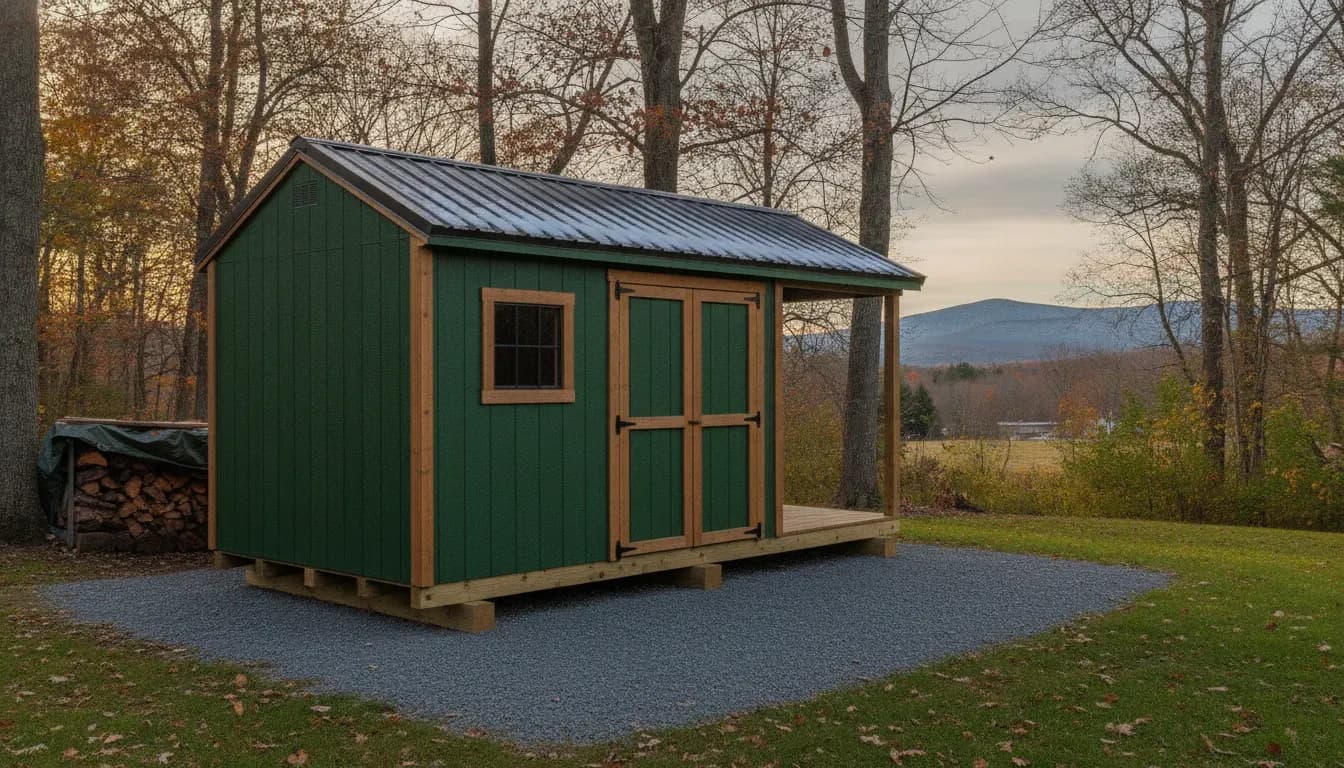
A quality wooden prefab shed can serve for 15 to 30 years or longer when its siding, trim, floor, and base stay dry and are maintained. Wood also makes repairs and future changes practical. Its lifespan is less about avoiding every mark or color change and more about controlling the moisture conditions that allow decay to begin.
The USDA Forest Service explains that wood-degrading organisms need suitable moisture, temperature, and oxygen. That principle is useful for shed owners: a wet wall edge, blocked airflow, leaking roof, or splashback from poor drainage creates a more demanding environment than a dry, elevated building. Read the USDA Wood Handbook discussion of wood biodeterioration for the underlying science.
Wood can be a strong choice when you want a shed that blends into the property, offers flexible customization, or may eventually serve as a workshop. Legacy Structures offers pressure-treated T1-11 and LP SmartSide panel siding on applicable buildings, along with painted and other finish options. The right finish depends on the model, use, and the level of maintenance you are prepared to provide.
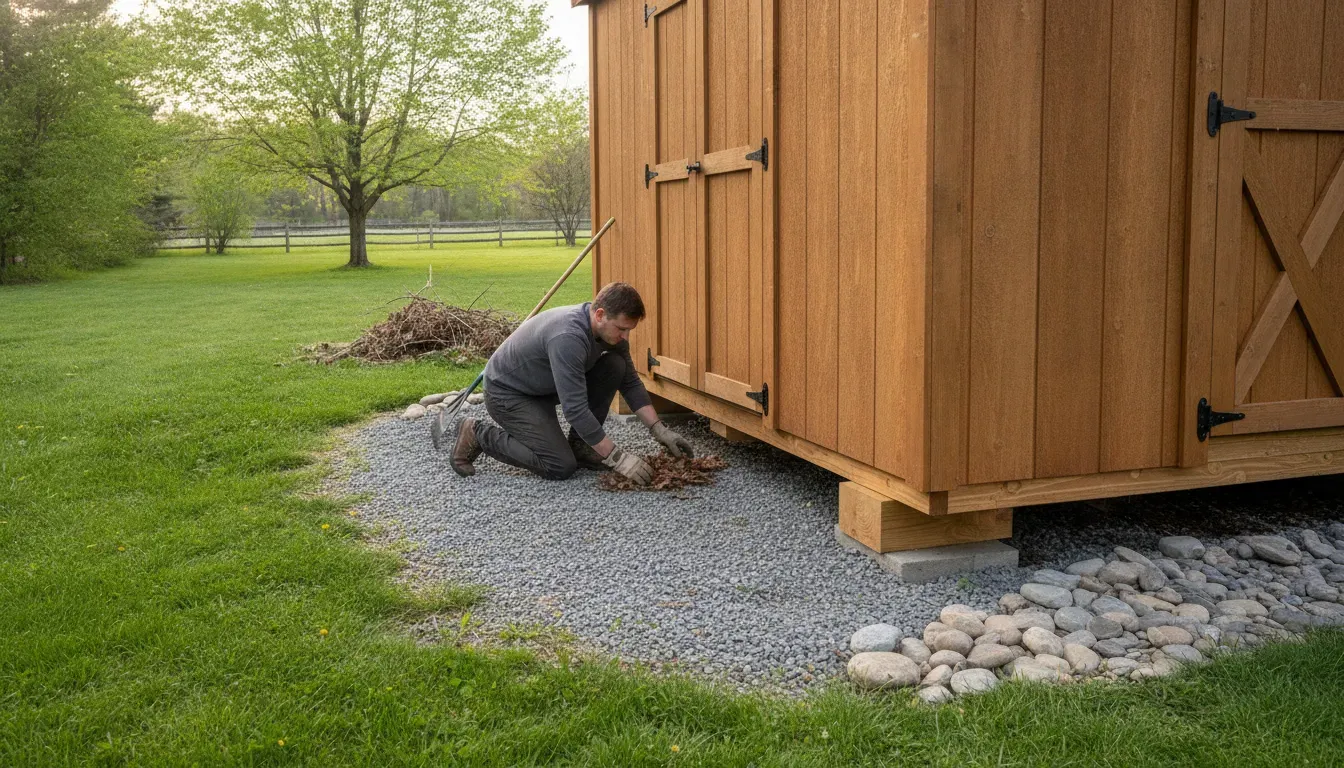
Watch the lower siding, corners, door bottoms, roof penetrations, and any place where water can remain. Keep soil, mulch, leaves, and stored items from trapping moisture against the walls. If a coating is peeling or a board is soft, investigate it rather than covering the problem with a new coat of paint.
How Long Does a Metal Prefab Shed Last?
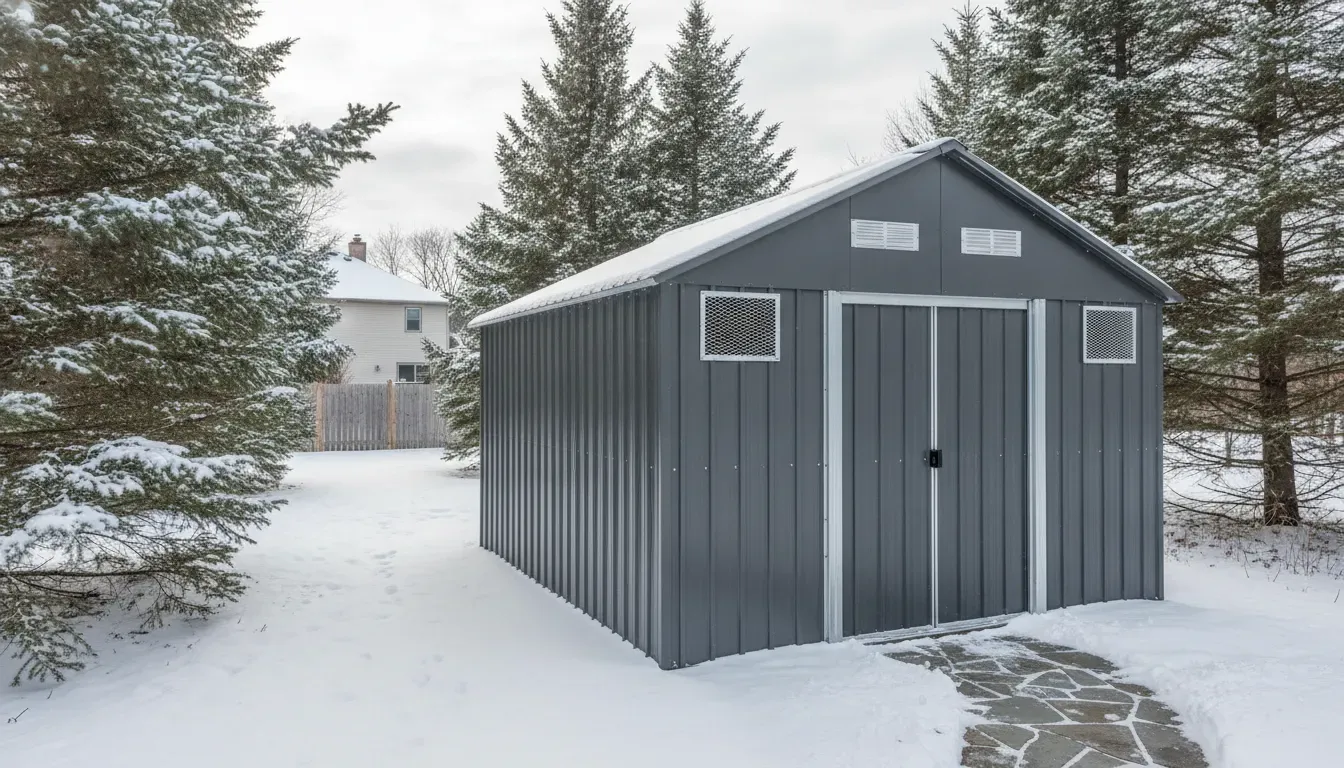
A coated metal prefab shed can often provide 10 to 25 years or more of service when the coating remains intact, water drains away, and damage is repaired. Metal resists rot and insect damage, which can make it appealing for straightforward storage. It is not immune to wear, however. Corrosion can begin where a panel is scratched, fasteners loosen, water collects, or dissimilar materials create a vulnerable connection.
Metal also behaves differently through the seasons. The panels can transfer outdoor heat and cold quickly, and temperature changes can contribute to condensation inside. Ventilation, sensible storage, and keeping the building dry help protect both the structure and its contents. Impact from hail, falling limbs, equipment, or a poorly handled snow shovel can damage a panel even when the surrounding metal remains sound.
Legacy Structures' metal lofted barn option uses 29-gauge metal siding and is designed as a practical storage choice with limited modifications compared with a fully customized wood building. If you are deciding between materials, the existing metal versus wood shed comparison covers the broader trade-offs. This article's narrower question is how those trade-offs affect service life.
How Do Upstate New York Winters Affect Shed Longevity?
Cold weather alone does not determine whether a shed lasts. The larger issue is the combination of snow, freeze and thaw cycles, wind, moisture, and access for inspection. A building that sheds water and snow cleanly can handle winter better than one that stays damp at the floor line or collects heavy drifts against a wall.
For a Hudson Falls or Adirondack-area property, pay particular attention to:
- Snow accumulation: Keep the roof design and building use appropriate for local conditions. Do not assume a roof should be cleared by climbing onto it. If snow or ice buildup looks unsafe, use a qualified professional.
- Freeze and thaw: Repeated temperature changes can expose weak drainage, movement at doors, or gaps that were easy to miss in summer.
- Spring runoff: Meltwater should move away from the building rather than collecting under the floor or beside the skids.
- Wind and falling branches: Place the structure with access for inspection and avoid avoidable exposure to dead limbs or concentrated roof runoff.
- Winter access: Keep paths and door areas clear enough to use the shed without striking siding, doors, or trim with equipment.
The National Weather Service's Adirondacks climate information is a useful reminder that local conditions matter. A shed designed and placed for a hard-freeze climate should be evaluated by its roof, drainage, base, siding, and maintenance plan together, not by the material name alone.
For more practical site guidance, see how to prepare the ground for a shed on skids. A level, stable, well-drained site is one of the best longevity decisions you can make before the building arrives.
What Shortens a Shed's Lifespan?
The most common lifespan problems are usually preventable. They start when water, movement, or damage is ignored for too long. Avoid these common mistakes:
- Placing the shed in a low or wet area. Standing water keeps the floor and lower siding exposed to moisture and can make every season harder on the building.
- Letting vegetation touch the walls or roof. Branches scrape finishes, leaves hold moisture, and dense growth reduces airflow around the structure.
- Blocking drainage with mulch or stored materials. Do not pile soil, mulch, firewood, or equipment against the siding.
- Ignoring a small roof or siding repair. A minor opening can become a larger moisture problem after several storms.
- Overloading the building or loft. Store items in a way that respects the building's intended use and any stated load limits.
- Using the wrong cleaning or coating product. Follow the manufacturer's guidance for the siding, roof, and finish instead of treating every material the same way.
- Skipping seasonal inspections. Look after winter, heavy wind, major rain, and any event that could move, dent, or scrape the building.
Never describe a shed base as frozen, sunk, or embedded below the frost line. Portable sheds should sit on an appropriate above-ground support system such as pressure-treated skids, sleepers, a gravel pad, or blocks, depending on the site and building requirements. This approach supports drainage and keeps the building movable or re-sitable when needed.
What Does a 5-Year Warranty Say About Shed Quality?
A warranty is one useful signal when you compare prefab shed builders. It shows that the seller is willing to stand behind defined materials, workmanship, or building components for a stated period. It does not mean every part of the structure will remain unchanged for five years, and it does not replace proper site preparation or maintenance.
Legacy Structures offers a 5-year warranty on its buildings. Before you buy, ask what the warranty covers, what exclusions apply, how a claim is submitted, and which components may carry a separate manufacturer warranty. Keep your purchase documents and follow the care instructions for the building you choose.
A warranty should be considered alongside construction details, local support, delivery and installation expectations, and the company's ability to answer questions after the sale. That combination is more meaningful than a large number printed in an advertisement.
Request the FREE Pricing Guide and compare a long-term shed investment with Legacy Structures.
How Can You Add Years to a Prefab Shed?
A simple maintenance routine can protect the conditions that support a long service life. Put these checks on a seasonal calendar:
- Walk the perimeter in spring and fall. Look for standing water, soft wood, lifted edges, damaged trim, or new gaps.
- Clean leaves, branches, and other debris from the roof and around the base. Do not use unsafe roof access.
- Check door operation and hinges. A door that drags can signal movement or moisture that deserves attention.
- Inspect the roof after severe weather and repair small openings promptly.
- Keep the base visible and the space below the building clear enough for airflow and inspection.
- Maintain the exterior finish according to the siding and coating manufacturer's instructions.
- Store chemicals, wet equipment, and moisture-sensitive items in a way that does not create a damp interior.
If you are still choosing a building, start with the complete storage shed buying guide for the broader decisions around size, style, material, site, and delivery. Then use the 3D shed configurator explainer to see how size, siding, doors, windows, colors, and other options can be planned before requesting pricing.
Prefab Shed Lifespan FAQ
Can a prefab shed last 20 years?
Yes. A well-built prefab shed can last 20 years or more when it has a sound structure, durable materials, a dry and stable base, and regular maintenance. The actual result depends on the building, the site, the climate, and how it is used. A warranty period is not the same thing as a guaranteed total lifespan.
Which lasts longer, a wood shed or a metal shed?
Neither material wins in every situation. Wood can last for decades when protected from persistent moisture and maintained. Coated metal resists rot and insects but can corrode at scratches, collect condensation, or suffer impact damage. Construction quality, drainage, roof performance, and maintenance often matter more than choosing wood or metal by itself.
Do harsh winters shorten a shed's lifespan?
Harsh winters can increase wear through snow, ice, wind, moisture, and freeze and thaw cycles, but winter does not automatically make a shed short-lived. A roof suited to local conditions, a stable above-ground base, good drainage, clear access, and seasonal inspections help a shed handle Upstate New York weather more reliably.
How often should I inspect a prefab shed?
Inspect the building at least in spring and fall, and check it after heavy snow, strong wind, or severe rain. Focus on the roof, lower siding, floor edge, doors, fasteners, base, and drainage. Promptly addressing a small leak, loose part, or blocked runoff path is usually easier than repairing damage after it spreads.
Does Legacy Structures offer a shed warranty?
Legacy Structures offers a 5-year warranty on its buildings. Ask for the current warranty terms for the specific building you are considering, including covered components, exclusions, claim steps, and any separate manufacturer warranties. The warranty works best when paired with suitable site preparation and routine care.
Call 518-544-2889 to discuss a prefab shed built for your property and climate.