
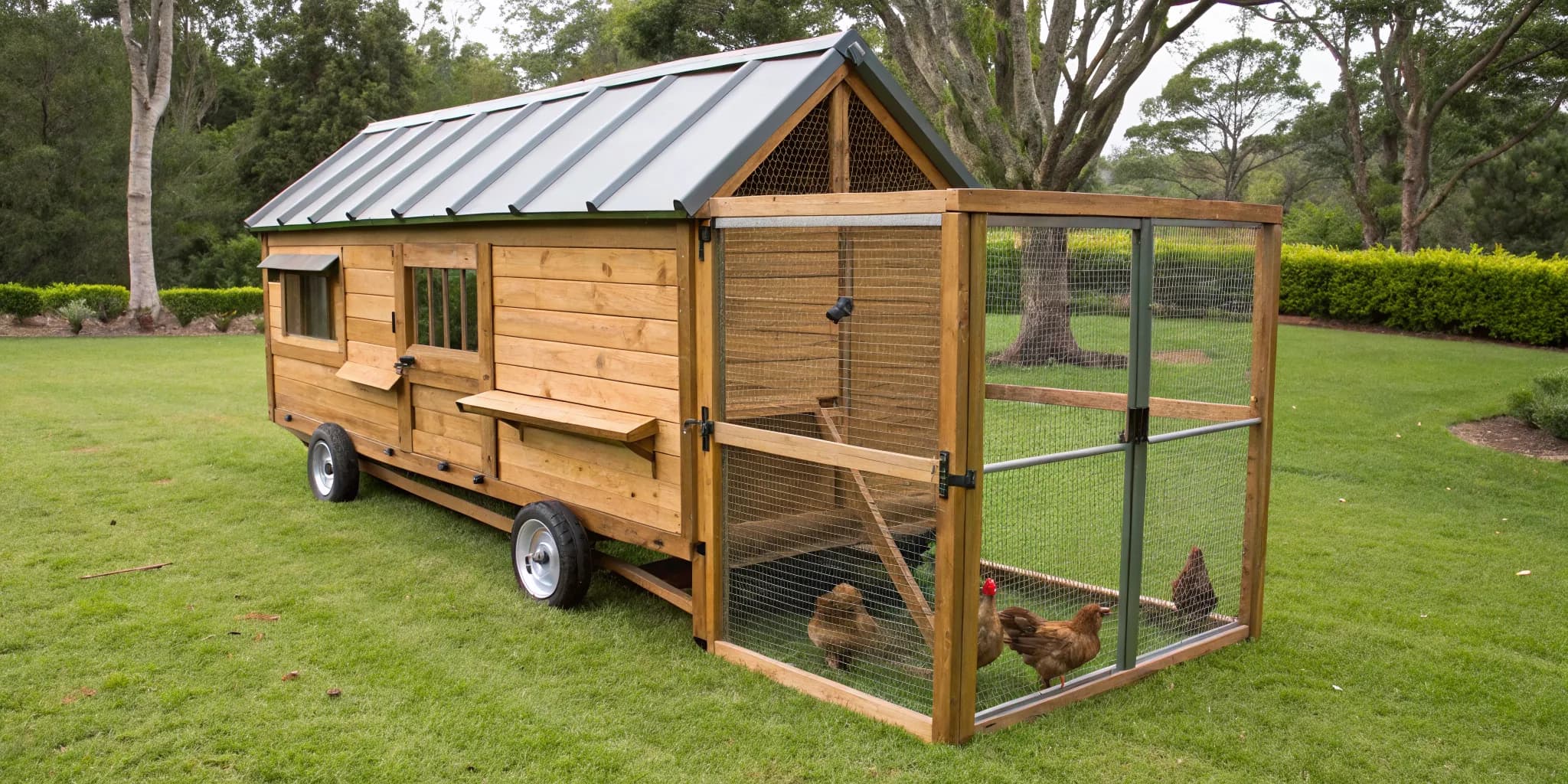
A stationary chicken coop can quickly turn a patch of your lawn into a muddy, barren spot. A chicken tractor offers a simple and effective solution to this common problem. By moving the coop and run to fresh grass each day, you prevent waste buildup and give your chickens a constantly renewed environment for foraging. This method turns your flock into a tiny, feathered landscaping crew that naturally fertilizes and de-bugs your yard. This article is your complete guide to understanding, choosing, and managing a chicken tractor for 6 chickens, helping you create a system that benefits your flock and your property.
Key Takeaways
- Give your flock room to thrive: A happy flock of six needs space. Plan for at least 24 square feet of enclosed coop area for roosting and shelter, plus a minimum of 48 square feet in the outdoor run for daily foraging and dust bathing.
- Embrace the daily move: The magic of a chicken tractor is its mobility. Moving it to a fresh patch of grass every day gives your chickens a varied diet, prevents a muddy yard, and provides free, natural fertilizer for your lawn.
- Focus on predator-proof details: True security comes from the right materials. Always use 1/4-inch hardware cloth instead of standard chicken wire, and install complex latches that clever raccoons cannot figure out. These details are non-negotiable for keeping your flock safe.
What Is a Chicken Tractor?
If you're new to raising chickens, you might have heard the term "chicken tractor" and pictured your flock driving tiny farm equipment. The reality is just as clever, but a lot simpler. A chicken tractor is a movable chicken coop that allows your flock to graze on fresh grass while staying protected from predators. Think of it as a coop and a run all in one, built on a frame that you can easily slide or roll across your yard.
A good chicken tractor includes an enclosed, weatherproof area for sleeping and laying eggs, plus an attached open-air run for foraging. The name comes from the work the chickens do as you move them. They scratch at the soil, eat weeds and bugs, and leave behind nitrogen-rich manure, effectively "tilling" and fertilizing your lawn. It’s a brilliant way to give your chickens a healthy, stimulating life while getting a little help with your yard work. This design lets you pasture your laying hens safely and efficiently.
How does it work?
The magic of a chicken tractor lies in its mobility. Each day, or every few days, you simply move the tractor to a fresh patch of grass. This gives your chickens a constant supply of new bugs, worms, and greens to enjoy, which provides them with a more natural and varied diet. This method of controlled roaming keeps your chickens active and engaged.
For you, the benefits are just as great. By moving the coop regularly, you prevent one area of your yard from turning into a muddy, smelly patch. The chicken manure is spread evenly across the lawn instead of building up in one spot, which reduces odors and the need for frequent, heavy-duty cleaning. It’s a simple, sustainable system that keeps your yard looking good and your chickens happy.
Chicken tractor vs. a traditional coop
So, what makes a chicken tractor different from a standard, stationary coop? The main distinction is mobility. A traditional coop stays in one place, often with a permanent, fenced-in run attached. While stationary coops are sturdy and reliable, their runs can become barren and messy over time, requiring you to bring in fresh bedding and perform more intensive cleaning.
In contrast, a chicken tractor is designed to be moved. This mobility means your chickens always have fresh ground to forage on, which keeps them healthier and reduces the risk of parasites. As you move the tractor, the chickens naturally fertilize your lawn, improving soil health without any extra effort from you. While a permanent structure like one of our chicken coops is a fantastic, low-maintenance choice for many, a tractor offers a unique, hands-on approach to managing your flock and your land at the same time.
How Much Space Do 6 Chickens Need?
Figuring out the right amount of space for your flock is one of the most important steps in planning your chicken tractor. Too little space can lead to stress, pecking, and health issues, while the right amount ensures your chickens are happy, healthy, and productive. The perfect size depends on a few factors, including the coop's indoor area, the outdoor run, and even the breed of your chickens. Getting this balance right from the start will save you a lot of headaches later on and set your flock up for success. Let's break down exactly what your six feathered friends need to thrive.
Calculating outdoor run space
Think of the outdoor run as your chickens' backyard. It's where they'll spend their days foraging for bugs, dust bathing, and soaking up the sun. A good rule of thumb, according to many seasoned keepers on chicken-keeping forums, is to provide at least 10 square feet of outdoor space per chicken. For your flock of six, that means you’ll want a run that’s about 60 square feet. If you plan to move the tractor to a fresh patch of grass every single day, you can get by with a slightly smaller space, around 8 square feet per bird, or 48 square feet total.
Sizing the enclosed coop area
The enclosed coop is your chickens' safe haven. It’s where they’ll sleep on their roosts, lay their eggs in nesting boxes, and shelter from harsh weather and predators. For six chickens, you should plan for at least 24 square feet of enclosed space. This is especially important in areas with cold winters, like here in Hudson Falls, where your flock will need a cozy, protected area to huddle together. A well-built, secure coop area is non-negotiable for keeping your chickens safe and comfortable through every season, which is why our chicken coops are built to last.
Adjusting for breed and size
Not all chickens are created equal, especially when it comes to size. A flock of small Bantams will naturally require less space than a group of large heritage breeds like Buff Orpingtons or Wyandottes. Before you settle on a final size for your tractor, consider the breeds you plan to keep. If you have your heart set on larger birds, it’s always a good idea to give them a little extra room in both the coop and the run. A bit more space goes a long way in keeping a mixed or large-breed flock happy and preventing any squabbles over personal space.
Balancing daily moves and total space
The beauty of a chicken tractor is its mobility. Moving your tractor daily is the key to making this system work. It gives your chickens constant access to fresh grass and new foraging opportunities while preventing them from turning one spot into a muddy, barren patch. This daily rotation is what allows you to have a slightly more compact run space. Think of it as a partnership: you provide the daily move, and your chickens reward you by keeping your lawn healthy and fertilized without destroying it. This simple daily habit is the secret to successful tractor management.
The Benefits of a Chicken Tractor
A chicken tractor is more than just a mobile home for your flock; it’s a tool that helps your chickens live healthier, more natural lives while also improving your property. Think of it as a bottomless coop on wheels. By regularly moving your chickens to fresh patches of grass, you create a win-win situation. Your chickens get a varied diet and constant stimulation, and your land gets fertilized and de-bugged. It’s a simple system with some pretty amazing results for you and your flock. This method combines the safety of a stationary coop with the benefits of free-ranging, giving you the best of both worlds. It's an ideal solution for anyone who wants to give their chickens a pastured life but lacks the space or security for true free-ranging. The constant movement prevents overgrazing and the buildup of waste, keeping both your yard and your chickens in top condition. You'll find that this active management style not only benefits the animals and the land but also deepens your connection to your food source. It turns a simple chore into a productive partnership with your flock. If you're looking for a sturdy, reliable home for your flock, you can explore our range of high-quality chicken coops that can be adapted for this purpose.
Natural foraging and pest control
A key advantage of a chicken tractor is that it lets your flock forage as nature intended. When you move the tractor to a new spot, your chickens get immediate access to fresh greens, tasty bugs, worms, and other critters. This varied diet provides essential proteins and nutrients that you just can't get from feed alone. This constant natural foraging keeps them entertained and healthy. As a bonus for you, they act as a personal pest control squad, helping to reduce the population of ticks, slugs, and other unwanted insects in your yard without any chemicals.
Healthier soil and free fertilizer
As your chickens graze, they naturally till and fertilize the ground. Chicken manure is an incredibly rich source of nitrogen and other nutrients that plants need to thrive. By moving the tractor daily, you ensure their droppings are spread evenly across your lawn or garden plot. This process prevents the manure from becoming too concentrated in one spot, which can burn the grass. Instead, you get a light, consistent application of some of the best free fertilizer available. Over time, this will lead to greener grass and more productive garden soil, all thanks to your flock.
Predator protection on the go
Letting chickens roam freely can be risky, especially with predators like hawks, foxes, and raccoons in the area. A chicken tractor offers the perfect compromise: it gives your flock the freedom to enjoy the outdoors while keeping them safe within a secure enclosure. The sturdy frame and wire mesh prevent attacks from above and on the ground. It also serves as a reliable boundary, keeping your chickens from wandering into a neighbor’s flower beds or near a busy road. You get peace of mind knowing your flock is protected, and they get to enjoy fresh pasture every single day.
Happier, healthier chickens
When you add it all up, a chicken tractor leads to happier and healthier chickens. Constant access to fresh ground, a natural diet full of protein, and a safe environment reduce stress and prevent boredom. This lifestyle directly translates to better health and stronger immune systems. For you, the reward is often found in the nesting box. Eggs from pastured chickens are known to be more nutritious, with richer yolks and higher levels of vitamins. A well-designed tractor provides the foundation for a thriving flock and a steady supply of delicious, high-quality eggs for your family.
Choosing the Safest Materials
A chicken tractor is only as good as the materials it's made from. The right choices will keep your flock safe from predators, comfortable in any weather, and healthy for years to come. When you're building or buying, paying close attention to the frame, wire, and roofing isn't just about looks; it's about creating a secure and durable home for your chickens. Let's walk through the key materials to get right.
Frame: Wood vs. metal
Wood is a classic and reliable choice for a chicken tractor frame. A sturdy wooden structure, especially one built with thick, high-quality panels, offers excellent durability against the elements. Wood is also a natural insulator, which helps keep the coop a bit warmer in the winter and cooler in the summer. While metal frames can be lighter, they can also get extremely hot in direct sun or frigid in the cold. For a long-lasting and stable home for your flock, a well-built wooden frame is often the superior option. Our chicken coops are crafted with top-grade lumber for this very reason, ensuring they stand strong season after season.
Wire: Hardware cloth vs. standard mesh
This is one of the most critical safety features of your coop. While it's often called "chicken wire," standard mesh is really only good for keeping chickens in, not for keeping predators out. Raccoons, weasels, and other determined critters can easily tear it or reach right through its wide openings. For true security, you need to use 1/4-inch hardware cloth. This strong, galvanized steel mesh has openings that are too small for paws and claws to get through. It’s an essential upgrade that provides true peace of mind, ensuring your chickens are protected from nighttime threats. Don't compromise on this; it's the best defense you have.
Roofing and weatherproofing options
A good roof does more than just keep the rain out. The right roofing material helps regulate the temperature inside the coop, keeping your chickens comfortable year-round. For example, a light-colored metal roof is fantastic for reflecting sunlight and keeping the coop cooler during hot summer days. It's also durable and sheds snow easily in the winter. Whatever material you choose, make sure it's installed correctly to be completely waterproof. You want a dry, draft-free environment for your flock. The quality of materials is so important that we back our structures with a 5-year warranty, giving you confidence in your coop's long-term durability.
Insulating for cold climates
Here in upstate New York, we know how cold winters can get. If you plan to keep chickens year-round, insulation is a must. An insulated coop helps your flock conserve energy to stay warm instead of using it all just to survive the freezing temperatures. This keeps them healthier and can even help them continue laying eggs through the winter. When insulating, it's also vital to ensure there's still proper ventilation. A tight, stuffy coop can lead to moisture buildup and respiratory problems. A well-designed tractor will balance warmth with fresh air, creating a healthy environment even when temperatures drop well below freezing.
Must-Have Features for Your Tractor
When you're shopping for a chicken tractor, it's easy to get focused on the size and price. But the specific features are what truly make a difference for both you and your flock. The right design elements will keep your chickens safe and healthy while making your daily chores much easier. Think of it as an investment in a smooth, enjoyable chicken-keeping experience. A well-designed tractor has thoughtful features that address everything from egg-laying to predator protection.
Nesting boxes and roosting bars
Happy hens need a comfortable place to lay their eggs and a safe spot to sleep. That’s where nesting boxes and roosting bars come in. Chickens naturally seek out a dark, private area for laying, so providing a few nesting boxes will keep your eggs clean and easy to find. For a flock of six, two or three boxes is plenty. At night, chickens instinctively fly up to a high perch to roost, away from ground-level threats. Roosting bars give them a place to sleep comfortably and securely, satisfying this natural behavior and keeping them off the floor and out of their own droppings.
Proper ventilation and airflow
Proper ventilation is one of the most critical features for a healthy coop. Good airflow helps whisk away moisture and ammonia, which can build up from droppings and cause respiratory problems for your flock. In the summer, vents allow hot air to escape, keeping your chickens from overheating. But ventilation is just as important in the winter. It prevents condensation that can lead to frostbite, without creating a drafty, cold environment. High-quality chicken coops are designed to provide excellent airflow year-round, ensuring your birds stay comfortable in any season.
Secure, predator-proof latches
Your chickens are a tempting meal for predators like raccoons, hawks, and foxes, so security should be a top priority. Raccoons are especially notorious for their clever paws and ability to figure out simple hooks and latches. A secure chicken tractor needs predator-proof hardware. Look for latches that require two steps to open or complex mechanisms that a raccoon can't easily manipulate. This is not the place to cut corners. Investing in a coop with strong, secure latches gives you peace of mind, knowing your flock is safely tucked away each night.
Easy access for food, water, and cleaning
Daily chores are a reality of keeping chickens, but the right tractor design can make them a breeze. Look for features that give you easy access to the interior without having to contort yourself. Large doors for refreshing food and water, external access to nesting boxes for collecting eggs, and removable trays for cleaning out droppings will save you time and effort. The easier it is to clean the coop, the more likely you are to do it regularly, which is essential for preventing disease and keeping your chickens healthy and happy.
Wheels and handles for easy moving
The main advantage of a chicken tractor is its mobility, so wheels and handles are non-negotiable. This feature is what allows you to "tractor" your chickens across the lawn, giving them fresh ground to forage every day or two. Moving the coop regularly provides your flock with a new patch of grass, weeds, and bugs to enjoy, while also spreading their manure evenly across your yard. Look for sturdy, all-terrain wheels that won't get stuck in mud or on uneven ground, and make sure the handles are positioned for a comfortable and ergonomic grip. You can browse our current inventory to see examples of well-built, portable structures.
A-Frame vs. Rectangular: Which Design Is Best?
When you start looking at chicken tractors, you’ll quickly notice two dominant shapes: the A-frame and the rectangle. The design you choose isn't just about looks; it impacts everything from how much usable space your chickens have to how easy the tractor is to move around your yard. Both styles have their fans, and the best one for you really depends on your property, your priorities, and how you plan to manage your flock.
A-frame tractors are praised for their stability and classic look, while rectangular designs are all about maximizing space and simplicity. There's also a third category to consider: farmhouse-style tractors. These often blend the functional elements of A-frame or rectangular designs with charming aesthetics that can turn your chicken coop into a beautiful backyard feature. Let's walk through the pros and cons of each so you can feel confident picking the right home for your six chickens.
Pros and cons of A-frame designs
The A-frame chicken tractor gets its name from its triangular, tent-like shape. This design is incredibly sturdy and does a great job of shedding rain and snow, which is a definite plus. Most A-frames are built with an enclosed coop area at the top for roosting and nesting, with a ramp leading down to a protected run. This setup gives your chickens a safe place to retreat from predators and the elements.
The main drawback is that the sloped walls reduce the amount of usable floor space. A 4-foot wide A-frame won't have the same ground-level square footage as a 4-foot wide rectangular tractor. While they are mobile, many people find the A-frame’s inherent stability and all-in-one design to be a perfect fit for a small flock.
Pros and cons of rectangular designs
If maximizing space is your top priority, a rectangular chicken tractor is hard to beat. The boxy shape gives your chickens full access to every square inch of the ground within the tractor's footprint. This simple, straightforward design is often easier for a DIY build, since it involves mostly straight cuts and right angles.
Most rectangular tractors are designed to be moved like a wheelbarrow, with wheels on one end and handles on the other. This makes it incredibly easy to pull the tractor to a fresh patch of grass each day. The open, airy structure provides excellent ventilation and gives your chickens plenty of room to scratch for bugs and weeds. While you’ll need to ensure it’s built sturdily, a well-made rectangular tractor offers a fantastic balance of space, mobility, and simplicity for your flock.
A look at farmhouse-style tractors
Who says a chicken coop can't be beautiful? Farmhouse-style tractors prove that you can have a functional home for your flock that also adds charm to your backyard. These designs focus on aesthetics without sacrificing the essential features your chickens need. They might have a classic barn shape, decorative trim, or a stylish color palette, but they are still built for the health and safety of your birds.
These tractors can be A-frame or rectangular, but they often include thoughtful details that make chicken-keeping easier. You can find beautiful, pre-built chicken coops that feature easy-to-access nesting boxes, secure latches, and durable construction. Choosing a farmhouse style means you get a hardworking chicken tractor that also looks like a deliberate, attractive addition to your landscape.
DIY Plans for a 6-Chicken Tractor
If you’re ready to roll up your sleeves and build your own chicken tractor, you have plenty of great designs to choose from. A DIY project lets you customize every detail to fit your flock and your backyard perfectly. It can be a rewarding weekend project that gives you a deeper connection to your chicken-keeping journey. To get you started, here are a couple of popular plans and some key things to keep in mind before you start cutting lumber.
Plan: A simple rectangular tractor
For a classic and straightforward build, you can’t go wrong with a simple rectangular tractor. A 4-foot by 8-foot frame is a fantastic size for six chickens, giving them 32 square feet of fresh ground to explore with each move. This design is often the easiest to construct, making it a great choice for first-time builders. Its boxy shape is also efficient, maximizing interior space for your flock. You can find excellent 4x8 chicken tractor plans that walk you through the process step-by-step, from building the frame to adding the wheels and roosting bars your chickens will need.
Plan: An A-frame tractor build
The A-frame chicken tractor is another popular and highly effective design. Its triangular shape is incredibly sturdy and sheds rain and snow easily, which is a nice bonus. The angled sides also encourage chickens to forage along the edges, giving them plenty of access to fresh grass and tasty bugs. While the geometry can seem a little more complex, many find the A-frame style easier to move around the yard. A well-designed A-frame chicken tractor can be a beautiful and functional addition to your property, letting your chickens do the work of mowing and fertilizing your lawn.
Estimating your DIY costs
Before you commit to a DIY project, it’s wise to map out your potential costs. The price of building a chicken tractor can vary quite a bit, generally falling between $300 and $2,000. The final cost depends on the size of your tractor, the quality of materials you choose, and any extra features you add. For a basic but sturdy tractor for six chickens, you can expect to spend around $650 on average. Creating a detailed materials list and budget from your chosen plans will help you get a clear picture of the investment and avoid any surprises along the way.
Common DIY mistakes to avoid
Building a chicken tractor is a manageable project, but there are a few common mistakes to watch out for. One of the most critical is using pressure-treated lumber. The chemicals used to treat the wood can be toxic to chickens if they peck at it, so always stick with untreated wood. You can protect it with a non-toxic sealant or paint. Another tip is to read through your entire set of plans before you make the first cut. This helps you understand the full scope of the project and can prevent you from making a simple error that requires you to backtrack later.
Is a Pre-Built Coop a Better Choice?
While building a chicken tractor can be a rewarding DIY project, it’s not the right path for everyone. Sometimes, the best choice for you and your flock is a high-quality, pre-built coop. A sturdy, stationary coop provides a secure home base, and for many chicken keepers, it’s a more practical long-term solution than a mobile tractor. If the idea of sourcing materials and spending weekends with a saw and drill sounds more stressful than fun, buying a ready-made coop might be the perfect fit.
This route allows you to focus on what’s important: raising happy, healthy chickens. Instead of worrying about construction, you can invest your time in creating the perfect environment for your flock from day one. A well-chosen pre-built coop offers security, durability, and peace of mind, ensuring your chickens have a safe and comfortable place to call home.
When to buy instead of build
Let’s be honest, life is busy. If you’re short on time or simply don’t have the construction skills (or the desire to learn them), buying a pre-built coop is a fantastic option. It allows you to get started with chickens quickly without the hassle and potential frustration of a DIY project. Reputable builders design coops with the specific needs of chickens in mind, so you can trust that the structure is safe and comfortable. Plus, many pre-built coops come with quality guarantees or warranties, giving you an extra layer of confidence in your purchase that you just don’t get when you build it yourself.
What to look for in a quality pre-built coop
When you start shopping for a pre-built coop, there are a few key features to keep an eye on. First, check the materials. You want a coop made from durable, weather-resistant wood that can stand up to New York seasons. Next, ensure it has excellent chicken coop ventilation to keep the air fresh and prevent respiratory issues, especially during humid summers and cold winters. Most importantly, a good coop must be a fortress against predators. Choosing a chicken coop with secure, predator-proof latches on all doors and windows is non-negotiable. The construction should be solid, with no gaps where a raccoon or weasel could squeeze through.
Explore Legacy Structures' chicken coops
If you’re looking for a pre-built coop that checks all these boxes, we have you covered. Our chicken coops are designed with the health and safety of your flock as the top priority. We use high-quality materials and expert craftsmanship to build durable, attractive coops that will last for years. With features like easy-to-clean interiors, comfortable nesting boxes, and secure runs, our coops provide a perfect home for a flock of six or more. Plus, every structure is backed by our 5-year warranty, so you can feel confident in your investment. Stop by and see how we can help you create the perfect home for your flock.
How to Manage Your Chicken Tractor
Once you have the perfect chicken tractor, the next step is creating a routine to keep your flock healthy and your lawn looking great. Managing your tractor isn't complicated, but a little daily and seasonal attention goes a long way. It’s all about creating a rhythm that works for you and your birds, ensuring they get the most out of their mobile home. With a few simple habits, you’ll find that managing your tractor is a rewarding part of your day.
How often should you move it?
The golden rule for a chicken tractor is to move it every single day. This simple daily task is the key to success. Moving the tractor gives your chickens a fresh patch of grass to forage on, which means a more diverse diet and less money spent on feed. It also prevents them from overgrazing and turning one spot into a muddy mess. This daily rotation naturally fertilizes your lawn as you go, spreading their nitrogen-rich droppings evenly. Think of it as a daily check-in: it’s the perfect opportunity to refresh their food and water and make sure your flock is happy and healthy.
Cleaning and maintenance tips
A well-designed tractor makes cleaning much less of a chore. Many modern chicken coops are built with smart features, like roosting areas with wire floors that allow droppings to fall directly onto the grass below. This design keeps the coop interior cleaner and fertilizes your lawn at the same time. For a deeper clean, look for tractors with large, convenient access doors that let you easily reach inside to scrape down surfaces or change out bedding in the nesting boxes. A quick daily scoop of any buildup and a weekly refresh of bedding will keep your tractor sanitary and your chickens comfortable.
Seasonal care for your flock
Your management routine will change a bit with the seasons, especially in a place like Hudson Falls. During hot summer months, make sure your tractor is positioned to offer shade and has plenty of ventilation to keep your flock from overheating. In the winter, your focus will shift to warmth. You can add a thick layer of straw for insulation. For those frigid nights when temperatures dip below 30°F, it’s best to move your chickens into a more permanent, insulated coop. A chicken tractor is fantastic for three seasons, but having a secure winter shelter is crucial for your flock’s safety and well-being.
Related Articles
- Chicken Coop | Legacy Structures
- Animal Shelter | Legacy Structures
- Mini Barn | Legacy Structures
- Lofted Barn | Legacy Structures
- Lofted Barn | Legacy Structures
Frequently Asked Questions
How often do I really need to move a chicken tractor? For the best results for both your chickens and your lawn, you should move the tractor every day. This daily move is the key to the whole system. It gives your flock a fresh salad bar of grass and bugs, which keeps their diet interesting and nutritious. It also prevents them from wearing one spot down to mud and ensures their manure is spread out as natural fertilizer instead of creating a smelly pile. Think of it as a quick, five-minute chore that you can do when you refresh their food and water.
Can I use a chicken tractor during a cold New York winter? A chicken tractor is a fantastic tool for the spring, summer, and fall, but it is not ideal for a freezing upstate New York winter. Most mobile tractors lack the insulation needed to protect your flock from dangerously low temperatures and harsh winds. To keep your chickens safe, healthy, and comfortable through the coldest months, you will need a permanent, well-insulated, and draft-free coop to serve as their winter home.
Is a chicken tractor better than a traditional stationary coop? Neither one is better; they just suit different goals. A chicken tractor is perfect if you want to actively manage your flock on pasture, improve your soil, and have the flexibility to move their housing around. A stationary coop provides a permanent, fortress-like home base that offers excellent security and a consistent location for your flock. Many people find a high-quality stationary coop is a more practical, lower-maintenance solution for their backyard.
What is the single most important feature for a chicken tractor's safety? The most critical safety feature is the wire you use. You must use 1/2-inch or 1/4-inch hardware cloth, not standard chicken wire. While chicken wire can keep chickens in, it does almost nothing to keep predators like raccoons out. A raccoon can easily tear through chicken wire or simply reach through the large holes. Using strong hardware cloth on all open sections of your tractor is the best defense you have against a heartbreaking predator attack.
Do I still need to give my chickens feed if they are in a tractor on grass? Yes, you absolutely do. Foraging in the tractor provides wonderful supplemental nutrition and enrichment, but it does not replace a complete diet. You should always provide your flock with constant access to a high-quality layer feed to ensure they get all the balanced protein, vitamins, and minerals they need to stay healthy and lay eggs consistently. Think of the grass and bugs as a healthy, delicious salad, but the feed is their essential main course.