
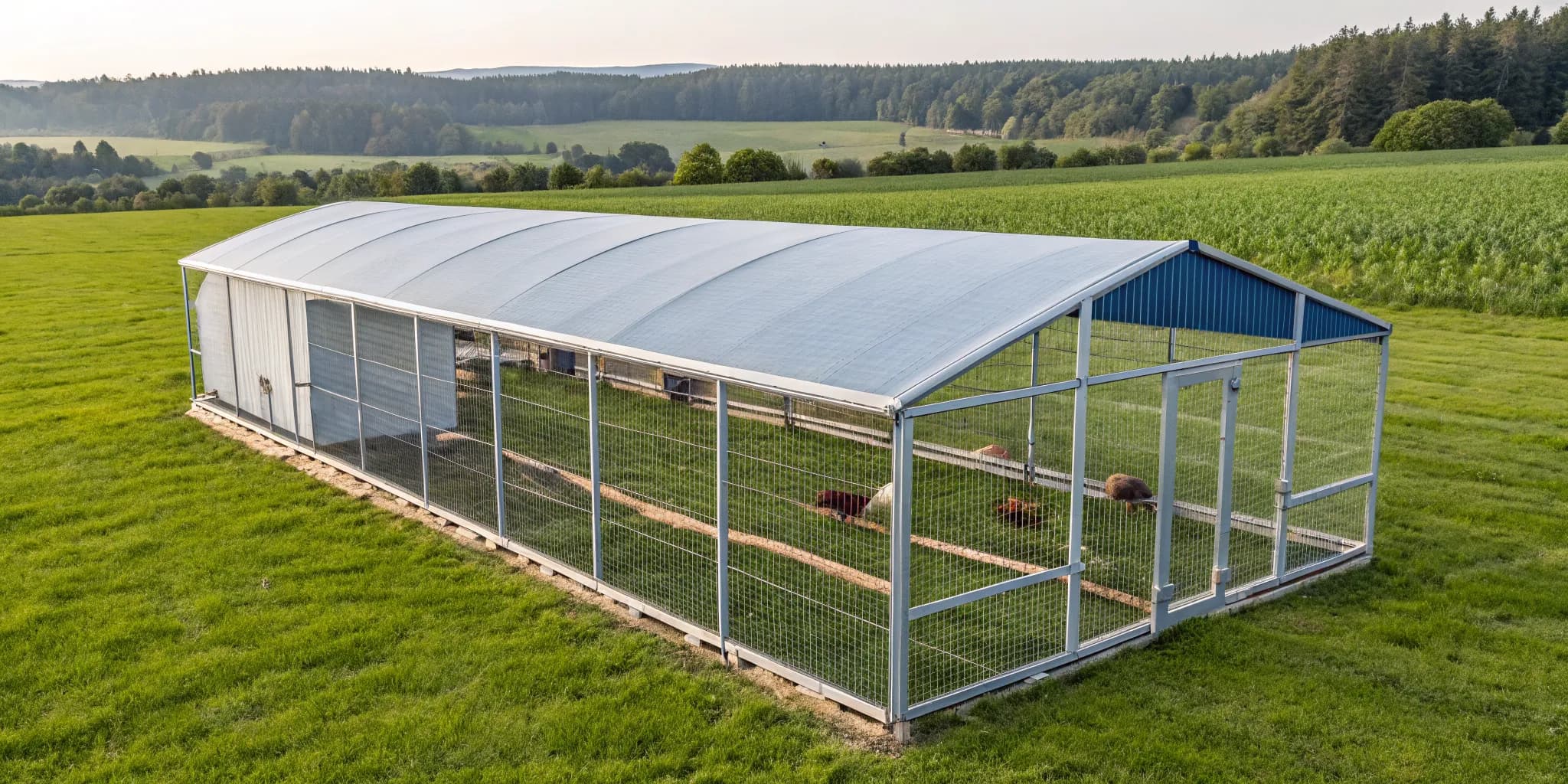
One of the biggest challenges of raising broilers is managing the mess and preventing disease. Keeping chickens in one spot creates a buildup of manure, which attracts flies and can make your flock sick. The solution is mobility. A chicken tractor allows you to move your birds to a fresh patch of grass every single day. This simple practice keeps them clean, healthy, and happy. If you're planning a larger flock, getting the design right is crucial. This step-by-step guide is specifically designed to help you build a durable and manageable chicken tractor for 50 broilers, solving the biggest problems before they start.
Key Takeaways
- Balance size with portability: Design a tractor that provides at least two square feet per broiler, but use lightweight materials for the frame so you can easily move it to fresh pasture every day.
- Build for security, not just containment: Protect your flock by using half-inch hardware cloth instead of standard chicken wire and installing secure, two-step latches that raccoons cannot easily open.
- Commit to the daily move: The success of a chicken tractor depends on daily rotation. This single habit is what keeps your birds healthy, prevents pasture damage, and naturally fertilizes your land.
What Is a Chicken Tractor?
If you're looking to raise chickens for meat, you've probably heard the term "chicken tractor." It sounds a bit strange, but it's a simple and brilliant concept. A chicken tractor is a portable, bottomless pen that houses your chickens. It’s designed to be moved regularly, giving your flock constant access to fresh grass, bugs, and soil to scratch in. Think of it as a mobile home that keeps your chickens safe from predators and bad weather while allowing them to live a more natural, free-range lifestyle in a controlled way.
This setup provides the best of both worlds. Your chickens get all the benefits of foraging on fresh pasture, which is great for their health and happiness. At the same time, you get peace of mind knowing they are contained and protected. You control where they roam, which prevents them from wandering into your garden or the road. It’s an efficient and humane way to manage a flock, especially if you have a good-sized lawn or pasture you want to put to good use.
Why It's Great for Broilers
Chicken tractors are particularly well-suited for raising broilers (meat chickens). One of the biggest advantages is that moving the tractor daily gives the birds fresh ground to forage on. This simple practice means you don't have to deal with bedding materials like straw or wood shavings, which saves you a lot of time, money, and cleanup. A clean environment is a healthy environment, and daily moves help prevent the buildup of diseases and flies that can plague a stationary coop.
Another fantastic benefit is the free fertilizer. As you move the tractor across your pasture, the chickens leave their manure behind, distributing it evenly across the land. This natural fertilizer enriches the soil and encourages lush, healthy grass to grow back in its place. It’s a closed-loop system where your chickens not only provide food for your family but also improve the quality of your land. It’s a win-win for both your flock and your property.
Chicken Tractor vs. Traditional Coop
When you’re deciding how to house your flock, you’ll likely weigh the pros and cons of a chicken tractor versus a permanent coop. While our sturdy, stationary chicken coops offer incredible durability and long-term shelter, a DIY chicken tractor can be a more budget-friendly starting point. With materials often costing around $100, it’s an accessible option if you’re just getting into raising broilers and aren’t ready for a larger investment.
The key difference is mobility. A traditional coop keeps your chickens in one place, which can lead to a barren, overgrazed patch of dirt. A chicken tractor’s mobility prevents this by allowing for rotational grazing. By moving the pen every day or two, you give the grass time to recover and regrow. This method is not only better for your pasture’s health but also provides a more stimulating and sanitary environment for your chickens.
How to Size a Chicken Tractor for 50 Broilers
Getting the dimensions right from the start is the most critical part of building a chicken tractor. A tractor that’s too small can lead to stressed, unhealthy birds, while one that’s too large can be a nightmare to move across your pasture. The goal is to find that sweet spot: a size that gives your broilers plenty of room to thrive and is still manageable for you to handle every day. Let's break down how to figure out the perfect size for your flock of 50.
Calculate Your Floor Space
For happy and healthy broilers, a good rule of thumb is to provide about 2 square feet of space per bird. For a flock of 50, this means you’ll need a tractor with at least 100 square feet of floor space. A simple 10x10 foot design works perfectly, as does an 8x12 foot tractor. This gives the chickens enough room to forage for bugs and greens without feeling overcrowded before you move them to a fresh patch of grass. Crowding can cause stress and health issues, so it's always better to give them a little extra room if you can.
Giving your birds adequate space is a key part of pasture-raised poultry management. If you plan to move the tractor more than once a day, you might be able to get by with slightly less space, but 2 square feet per bird is a reliable standard. This ensures they have a clean environment and constant access to fresh forage, which is the whole point of using a chicken tractor in the first place. A well-sized tractor makes for healthier birds and a more successful harvest.
Plan the Height and Frame
Once you have your floor dimensions, it's time to think vertically. The height of your tractor matters for both the chickens and for you. A height of at least 24 inches is necessary to ensure good airflow and give the birds enough headroom. However, if you want to make your own life easier, consider building a tractor that’s tall enough for you to stand or crouch inside. An A-frame design with a peak height of 5 or 6 feet can be a back-saver when it's time to refill feeders and waterers.
The frame is the backbone of your tractor, so it needs to be both strong and lightweight. Many builders use pressure-treated 2x4s for the base and lighter 2x2s for the walls and roof rafters to save on weight. The key is to build a structure that can withstand daily moves and protect your flock from predators. At Legacy Structures, we know that quality construction is essential, which is why our chicken coops are built with superior materials designed to last for years. Applying that same principle to your tractor will pay off.
Gather Your Materials and Tools
Before you start sawing and drilling, it’s a good idea to gather everything you’ll need. A well-organized project is a smooth project, and having all your materials and tools ready will save you from making extra trips to the hardware store. This list covers the essentials for building a sturdy and reliable chicken tractor for your flock. If you find the list a bit daunting, remember that there are always great pre-built options, like our durable chicken coops, that are ready to go.
For the Frame
The frame is the skeleton of your chicken tractor, so you want to make it strong. For a structure that’s about 8 feet wide and 16 feet long, you’ll need a combination of wood and metal. Grab some 2x6 and 2x4 boards for the base, which will give it a solid foundation. For the hoops that form the roof, lightweight galvanized steel conduit is a great choice because it’s both durable and easy to work with. Aim for a height of about six feet at the peak. This gives you enough room to stand and work inside comfortably without crouching.
For Fencing and Covering
To keep your chickens safe and contained, you’ll need the right fencing. One 50-foot roll of 3-foot-tall poultry wire should be enough to wrap around the sides. If you plan to cover the entire top with wire as well, you’ll likely need a few more rolls. For the roof cover, which protects your flock from sun and rain, you can get creative. A smart, budget-friendly idea is to use old billboard signs. They are incredibly tough and waterproof. This kind of resourcefulness is great for a DIY project, but for a structure built to last through years of weather, we use materials backed by a 5-year warranty.
Essential Building Tools
You don’t need a professional workshop, but a few essential tools will make this project much easier. First, you’ll need a pipe bender to shape the metal conduit for the roof hoops. You’ll also need both a metal saw (like a hacksaw) and a wood saw for cutting your frame pieces to size. A drill with a small bit and screwdriver bits is crucial for assembly, along with a trusty hammer and tape measure. Finally, have a level on hand to ensure your tractor is built straight and true. If you’d rather do your building on a screen, you can always try our 3D Shed Builder to design a custom structure without picking up a single tool.
How to Build Your Chicken Tractor: A Step-by-Step Guide
Ready to get building? This project is totally doable, even if you’re new to DIY. We’re going to walk through a popular and effective design that’s perfect for raising 50 broilers. These plans are based on a time-tested model that gives your chickens plenty of space, fresh air, and protection. Just take it one step at a time, and you’ll have a sturdy chicken tractor ready for your flock in no time. Let’s gather your tools and get started.
Step 1: Build the Base Frame
First things first, you need a solid foundation. The base frame is what holds everything together, so it’s important to make it strong and square. For a tractor that will comfortably house 50 broilers, an 8x16-foot rectangle is a great size. You’ll want to use 2x6 pressure-treated lumber for this, as it will be in direct contact with the ground. Simply cut your boards to length and screw them together to form the rectangle. Double-check your corners to make sure they are square. This sturdy base will support the rest of the structure and keep your birds secure as you move the tractor across your pasture.
Step 2: Construct the Walls and Roof
Now it’s time to give your tractor some height and shape. This design uses bent metal pipes to create a series of arches for the roof. This hoop-style roof is fantastic because it’s strong, lightweight, and allows rain to run right off. You’ll attach these arches to the wooden base frame, spacing them about four feet apart. To secure them, drill holes through the pipes and the wood, then fasten them with screws. This framework creates an open, airy shelter that provides plenty of headroom for your chickens and makes it easy for you to get inside for daily chores. These large chicken tractor plans offer a great visual guide for this step.
Step 3: Add Doors and Ventilation
With the frame built, you need to add a secure door and cover the sides. Frame out a simple door on one of the ends using 2x4s, then attach it with sturdy hinges and a reliable latch to keep predators out. For ventilation, you’ll wrap the sides and the other end with chicken wire. Run the wire horizontally, stretching it tight between the wooden base and the metal roof arches. Good airflow is critical for keeping your broilers healthy, and the wire mesh provides that while also creating a secure barrier. If building from scratch feels like a bit much, you can always explore pre-built chicken coops that offer professional-grade security and ventilation.
Step 4: Attach Wheels or Skids
The final step is making your chicken tractor mobile. After all, the ability to move it is what makes it a "tractor." You can attach a set of wheels to one end of the frame to make moving it a one-person job. Repurposing wheels from an old lawnmower is a clever and budget-friendly option. Simply attach them to an axle at the back of the tractor. On the front end, you can attach a rope for pulling. This setup allows you to easily lift the front and roll the entire structure to a fresh patch of grass every day. This regular movement is key to giving your chickens a healthy environment and improving your pasture at the same time.
Predator-Proof Your Chicken Tractor
Keeping your broilers safe is the most important part of raising them. A chicken tractor offers great protection, but only if it’s built to withstand predators. In areas like ours, you have to think about clever raccoons, persistent foxes, and sharp-eyed hawks. A sturdy frame is your first line of defense, but true security comes from paying attention to the details that stop a predator in its tracks. Think like a predator: where are the weak points? A small gap, a flimsy latch, or thin wire is all an animal needs to get inside.
Your goal is to create a mobile fortress. This means leaving no weak spots for an animal to exploit. From the wire you choose to the latches on the doors, every component plays a role in protecting your flock. It's a proactive approach that saves you from the heartbreak of losing chickens. If you're looking for examples of what solid, predator-resistant construction looks like, you can see the attention to detail in professionally built chicken coops. By focusing on a few key areas, you can make sure your DIY tractor is just as secure, giving you peace of mind and keeping your chickens safe and sound day and night.
Choose the Right Wire
The single biggest mistake you can make is using standard chicken wire. While it’s great for keeping chickens in, it does very little to keep predators out. A raccoon can tear right through it or simply reach through the wide hexagonal holes. Instead, you need to use hardware cloth, which is a rigid wire mesh. For the best protection, choose a half-inch or quarter-inch mesh. This material is strong enough to stop predators from chewing or tearing their way inside.
As one homesteader noted, a well-built tractor can be very effective at keeping predators like foxes and raccoons away from your flock. To install it properly, use heavy-duty staples or screws with washers every few inches to attach the hardware cloth securely to the frame. Make sure to cover every opening, including the top of the run, to protect your broilers from hawks and other aerial threats.
Secure All Latches and Entries
Predators, especially raccoons, have incredibly dexterous paws and can figure out simple latches in no time. A simple hook-and-eye closure is an open invitation for a midnight snack. Every door and access point on your chicken tractor needs a secure, two-step locking mechanism. Think about using slide bolts paired with a carabiner clip or a spring-loaded latch that can’t be easily jiggled open.
When building, make sure to securely fasten all materials and overlap any seams to eliminate gaps. Check the door to ensure it sits flush against the frame with no spaces for a predator to pry it open. It’s worth spending a little extra time and money on quality hardware; it’s one of the most critical elements for keeping your chickens safe day and night.
Reinforce the Base
While you’re protecting your tractor from above, don’t forget about threats from below. Predators like weasels, foxes, and even determined dogs will try to dig or push their way under the frame. The best way to prevent this is by adding a wire "apron" or "skirt" around the entire base of the tractor. This is an extra 12-inch flap of hardware cloth that extends outward from the bottom of the frame and lies flat on the ground. When an animal tries to dig, it hits the wire and gives up.
A heavy, solid base frame also makes it much harder for a predator to lift or push the tractor. Using quality lumber for your frame adds weight and stability, which is a key feature of any durable outdoor structure. This commitment to solid construction is why some builders offer a 5-year warranty on their buildings; they’re built to last and withstand the elements, and your chicken tractor should be too.
How Often to Move Your Chicken Tractor
One of the biggest benefits of a chicken tractor is its mobility, but how often should you actually move it? The short answer is: often. Moving your tractor is the key to keeping your broilers healthy, your pasture in good shape, and the whole system running smoothly. Think of it less as a chore and more as the engine that powers this entire method of raising chickens. Getting into a good rhythm will make the process simple and ensure your birds and your land thrive together.
Know When It's Time to Move
The best way to know when to move your tractor is to simply look at the ground. If the grass is getting trampled and manure is starting to build up, it’s time for a change of scenery. For 50 broilers in a properly sized tractor, this will likely mean moving it at least once a day. Some homesteaders even move their tractors two or three times a day to give their birds constant access to fresh greens and clean ground. This frequent rotation keeps your chickens off their own waste, which is crucial for preventing disease. While a stationary chicken coop has its place, the mobility of a tractor is what makes it such a powerful tool for raising meat birds on pasture.
Best Practices for Pasture Rotation
Moving your chicken tractor isn't just about what the chickens leave behind; it's also about what they're moving toward. A good pasture rotation strategy will protect your land and make it even more productive. By moving the tractor daily, you prevent your flock from completely stripping one patch of ground, which gives the grass a chance to recover and regrow. Plus, all that manure gets spread evenly across your field, acting as a fantastic natural fertilizer. Over time, you'll notice your pasture becoming lusher and healthier. Try to plan a path for your tractor across the field so you can manage the rotation efficiently and give each section adequate rest before the chickens return.
Daily Care for 50 Broilers
Once your chicken tractor is built, the real work of raising healthy broilers begins. Creating a simple daily routine is the best way to make sure your flock thrives. These daily checks don’t take long, but they are essential for keeping your chickens healthy, well-fed, and safe.
Set Up Feeders and Waterers
Properly setting up your feeders and waterers is key to a peaceful and well-fed flock. You want to make sure every chicken can eat and drink without a struggle. A good rule of thumb is to provide about two square feet of indoor space per bird. When they are outside, aim for eight to ten square feet of pasture. This spacing gives them easy access to food and water, which is crucial for healthy growth. If you notice birds crowding or competing, you may need to add another feeder or waterer. Our well-designed chicken coops make it simple to create a layout that gives every bird the space it needs.
Manage Daily Feed and Water
Consistency is your best friend when it comes to feeding and watering your broilers. Make it a habit to check their supplies at least once a day, refilling as needed. This quick chore, often taking just a few minutes, ensures your chickens always have the nutrition and hydration they need to grow strong. Forgetting to refill can lead to stress and slow their development. Many homesteaders find that incorporating this task into their morning or evening routine helps them stay on track. You can find great community discussions online about how others manage their daily flock chores.
Keep the Tractor Clean
One of the biggest advantages of a chicken tractor is how easy it is to keep clean. By moving the tractor to a fresh patch of grass every day, you are essentially cleaning it. This daily move prevents manure from building up, which keeps the bedding area dry and significantly reduces the risk of pests and disease. A clean environment is a healthy environment. It’s also great for your pasture, as the chickens' droppings act as a natural fertilizer. A sturdy tractor, like the portable chicken coops we offer, is designed to withstand daily moves with ease, making this chore simple and effective.
Practice Good Biosecurity
"Biosecurity" might sound like a complicated term, but it’s really just about practicing good hygiene to protect your flock. Simple habits can make a huge difference in preventing the spread of disease. Always wash your hands before and after handling your chickens or their equipment. Keep their bedding dry and regularly monitor your birds for any signs of illness, like lethargy or lack of appetite. By catching potential problems early and keeping things clean, you create a strong defense against common poultry ailments. Following these basic biosecurity measures is one of the most important things you can do as a chicken keeper.
Common Chicken Tractor Mistakes to Avoid
Building a chicken tractor is a rewarding project, but a few common slip-ups can turn your dream coop into a real headache. Getting the design right from the start saves you from future modifications and ensures your flock stays healthy and secure. The biggest mistakes usually fall into three categories: misjudging the space your chickens need, choosing the wrong building materials, and forgetting the most important part of a "tractor"—moving it. It's easy to get excited and jump into the build, but taking a moment to plan around these potential issues will pay off in the long run. A well-designed tractor means less work for you and a better life for your birds. Think of it as setting yourself up for success from day one. We'll walk through how to sidestep these common pitfalls so you can build a chicken tractor that works for you and your broilers. Of course, if the DIY route feels a bit overwhelming, you can always explore professionally built chicken coops that are ready for your flock the day they arrive.
Mistake #1: Not Enough Space or Ventilation
It’s easy to underestimate how much room your fluffy little chicks will need once they’re fully grown. Overcrowding is a major source of stress and health problems for broilers. A good rule of thumb, which helps you calculate how many chicks to order, is to plan for about two square feet of indoor space per bird and eight to ten square feet of outdoor pasture space. For 50 broilers, that means you need a tractor with at least 100 square feet of sheltered area. Proper ventilation is just as important. Without enough airflow, ammonia from droppings builds up, creating a toxic environment. Make sure your design includes vents or windows that can be opened for a cross-breeze but are secure from predators.
Mistake #2: Using the Wrong Materials
The materials you choose will determine your tractor's lifespan, portability, and safety. Your goal is to find a balance. The structure needs to be strong enough to withstand the elements and deter predators, but also light enough for you to move it across the pasture every day. Using flimsy chicken wire is a classic mistake; raccoons can tear right through it. Instead, invest in half-inch hardware cloth. Similarly, using heavy, untreated lumber will result in a tractor that’s difficult to move and will rot quickly. Look for durable, lightweight wood and consider weather-proofing it with a non-toxic sealant. Your chicken tractor plans should prioritize materials that are safe, comfortable, and built to last.
Mistake #3: Forgetting to Move the Tractor
The "tractor" in "chicken tractor" is there for a reason: it’s meant to be moved. The entire concept relies on daily relocation to give your chickens fresh ground to forage on. Forgetting or skipping this step defeats the purpose and creates problems. When a tractor stays in one spot for too long, the chickens will strip the ground bare, turning it into a muddy, manure-filled mess. This not only ruins your pasture but also forces your birds to live in their own filth, increasing the risk of parasites and disease. Moving the tractor daily is the single best thing you can do to keep both your flock and your land healthy.
DIY vs. Pre-Built: Which Is Right for You?
So, you've decided a chicken tractor is the way to go for your broilers. Now for the next big question: should you build it yourself or buy one that's ready to roll? There’s no single right answer here, as the best choice really depends on what you value most: your time, your budget, or a specific custom design. Let's break down the pros and cons of each path to help you decide.
Building a chicken tractor from scratch can be a rewarding project. The biggest draw for many is the cost. Sourcing your own materials is almost always cheaper than buying a finished product, which is a huge plus if you're on a tight budget. You also get total control over the design. You can build it to the exact dimensions your flock needs and add any custom features you can dream up. The trade-off, however, is the time and skill required. You’ll need to be comfortable with basic construction, have the right tools for the job, and be prepared to spend several weekends on the project from start to finish.
On the other hand, opting for a pre-built model offers convenience and peace of mind. It saves you a ton of time and the potential headache of a complicated build. Professionally constructed chicken coops are designed for durability and security, using high-quality materials that stand up to weather and predators. Many, like ours, even come with a 5-year warranty, so you know your investment is protected. While the initial cost is higher, you're paying for expert craftsmanship and a structure that's ready for your flock almost immediately. It all comes down to balancing your budget with how much your time and effort are worth.
Frequently Asked Questions
Why is moving the chicken tractor every day so important? Moving the tractor daily is the secret to making this whole system work. It ensures your chickens are always on clean ground and have fresh grass and bugs to eat. This simple act prevents manure from building up, which drastically cuts down on disease risk and keeps your birds healthy. It also doubles as a pasture management tool, spreading natural fertilizer evenly across your land and preventing any one spot from being turned into a patch of bare dirt.
Can I use regular chicken wire instead of hardware cloth to save money? I strongly advise against it. While it might seem like a good way to cut costs, standard chicken wire is designed to keep chickens in, not to keep predators out. Raccoons can easily tear it with their paws or simply reach through the wide holes. Using half-inch hardware cloth is one of the most important investments you can make for your flock's safety. Think of it as essential insurance against the heartbreak of losing your birds to a predator.
How heavy is a tractor for 50 chickens, and can one person really move it? A tractor of this size will definitely have some weight to it, but a smart design makes it manageable for one person. By building the base with sturdy lumber and using lighter materials for the top frame, you can keep the weight down. The key is to attach wheels to one end and a pull rope to the other. This allows you to lift one side and roll the entire structure like a wheelbarrow, making the daily move a simple and quick chore.
What's the biggest difference between a chicken tractor and a stationary coop for raising meat birds? The main difference is mobility and its impact on the environment. A chicken tractor is designed for rotational grazing on pasture, constantly moving to provide fresh forage and prevent waste buildup. This is ideal for broilers. A traditional, stationary coop provides a permanent, highly secure home base. While our stationary coops are incredibly durable, a tractor system is specifically tailored to the lifestyle of pasture-raised meat birds.
I'm not very handy. Is building a chicken tractor still a realistic project for me? It's a fair question. Building a tractor requires basic carpentry skills, the right tools, and a good bit of time. If you read through the steps and feel confident you can handle cutting wood and assembling a frame, it can be a very rewarding project. However, if the process seems overwhelming, there is no shame in opting for a pre-built structure. Your time is valuable, and buying a professionally built coop ensures you get a secure, durable home for your flock without the stress of construction.