
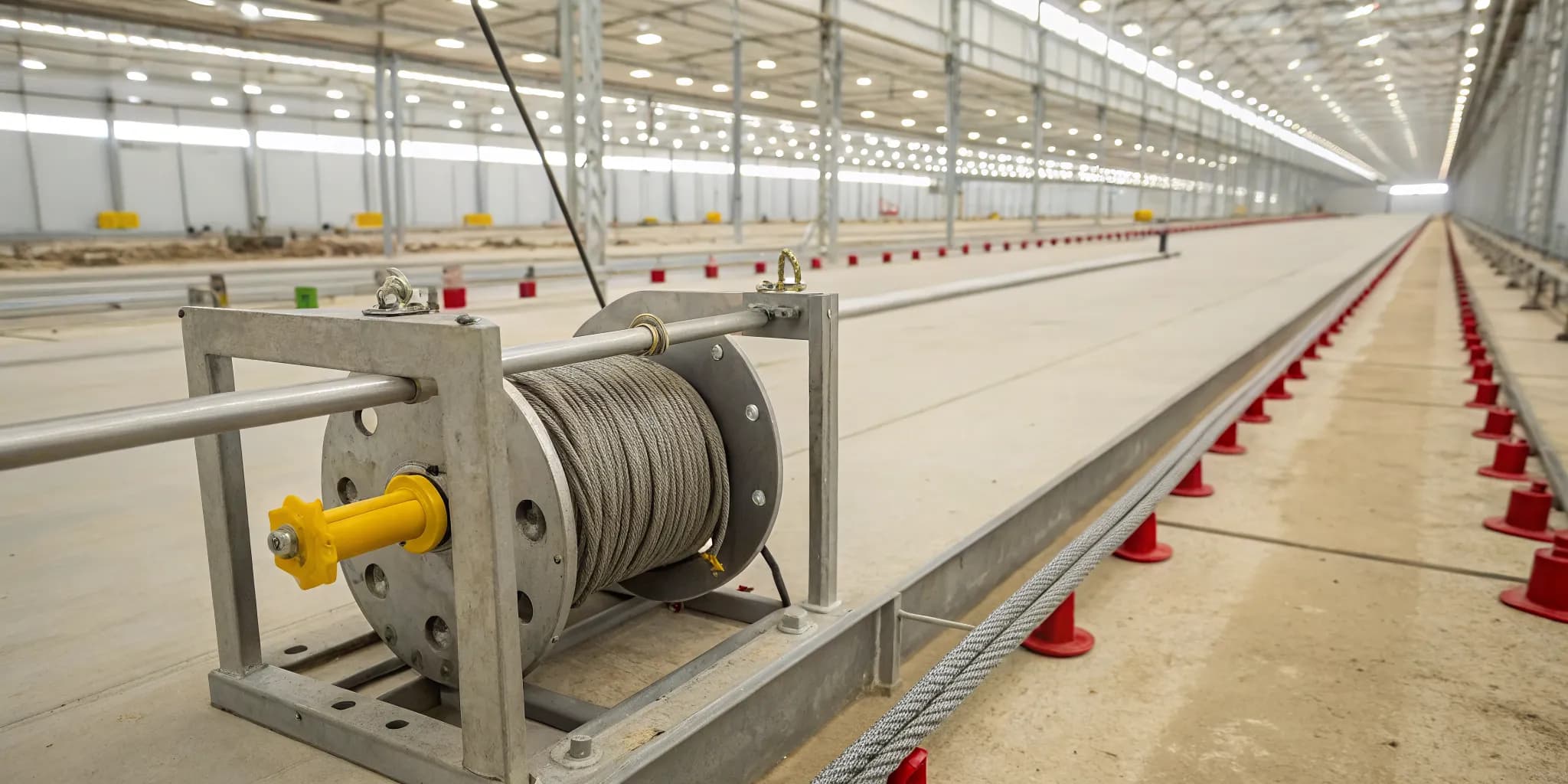
When you hear the word "winch," you might think of heavy-duty industrial equipment, but this tool has a practical and essential place in any modern chicken coop. A chicken house winch is simply a lifting device designed specifically for the needs of a poultry environment. It allows you to easily raise and lower essential equipment like feed and water lines. This isn't a complicated piece of machinery reserved for large commercial farms; it's a straightforward, accessible tool that can be a game-changer for any flock owner. In a well-built structure like one of our chicken coops, a winch system helps you make the most of your space and manage it with professional efficiency.
Key Takeaways
- Streamline your coop chores with a winch: This simple tool makes it easy to adjust feed and water lines for your growing flock, control ventilation curtains, and reduce the physical strain of daily coop management.
- Choose the right winch by matching it to your coop: Before you buy, calculate the total weight of your equipment to find the correct load capacity and decide if a manual, electric, or drill-powered model works best for your power access and workflow.
- Protect your investment with simple, regular maintenance: To ensure safety and longevity, make a habit of cleaning your winch to prevent rust, lubricating its moving parts, and inspecting all cables or connections for wear and tear.
What Is a Chicken House Winch?
If you're managing a flock, you know that keeping everything clean, accessible, and at the right height is a constant task. A chicken house winch is a simple but powerful tool designed to make that job much easier. Think of it as a dedicated lifting system for the equipment inside your coop, like your feed lines and water lines. While they are essential on large poultry farms, a winch can be a lifesaver for any flock owner who wants a more efficient and manageable setup, especially in a well-designed structure like one of our chicken coops.
Instead of manually lifting heavy feeders or struggling to adjust water lines as your birds grow, a winch system lets you raise and lower them with a simple mechanism. This not only saves your back but also gives you precise control over your coop's environment. It’s one of those tools that, once you have it, you’ll wonder how you ever managed without it. It streamlines daily chores and helps maintain the ideal conditions for your flock to thrive.
How Does It Work?
The mechanics of a chicken house winch are straightforward. The device uses a spool and a cable (or sometimes a strap) that you attach to your equipment. You can then operate the winch either by turning a hand crank or by using a power drill for even faster adjustments. As you operate the winch, it winds the cable, smoothly lifting the attached feed or water lines. This simple design is incredibly effective and built for safety. Some heavy-duty models are even capable of lifting thousands of pounds, so a quality winch can easily handle the weight of your coop’s equipment.
Why Your Coop Needs One
A winch is about more than just convenience; it’s about better management and a healthier flock. Chickens need their feed and water lines at a specific height, which changes as they grow. A winch allows you to make these adjustments in seconds, ensuring your birds can always eat and drink comfortably. This proper positioning is crucial for an efficient feeding system, as it prevents feed spillage and contamination. By making it easy to lift equipment completely out of the way, a winch also simplifies cleaning the coop, which is fundamental for preventing disease and keeping your chickens healthy and productive.
Types of Chicken House Winches
Choosing a winch isn’t just about lifting things; it’s about making your daily chores easier and more efficient. The right winch system helps you manage feed lines, waterers, and even ventilation curtains with minimal effort. Winches generally fall into a few categories, each with its own benefits. The best one for you will depend on your coop's setup, the weight of your equipment, and how much manual work you want to do. Let's break down the most common options so you can find the perfect fit for your flock.
Manual Winches
If you prefer a straightforward, reliable tool that doesn't depend on electricity, a manual winch is an excellent choice. Operated with a simple hand crank, these winches give you precise control when raising or lowering equipment. They are a great, budget-friendly starting point for many backyard chicken coops and smaller poultry operations. Many manual models are single drum winches, designed to lift gear with one cable. While they do require some physical effort, their simplicity is a major advantage. You never have to worry about power outages or electrical issues, making them a dependable tool for any coop setup.
Electric Winches
For those with larger flocks or heavier equipment, an electric winch is a game-changer. Instead of cranking by hand, you can lift and lower your feed and water lines with the push of a button. This saves a significant amount of time and physical strain, especially in bigger coops where adjustments are made frequently. Some versatile models can even be operated with a power drill, giving you a portable power-assist option. The main thing to remember is that you’ll need a reliable power source in your coop to run an electric winch, so plan your electrical setup accordingly.
Cable-Free Winches
Imagine a winch system without the hassle of tangled or fraying cables. That’s the beauty of a cable-free winch. This innovative design eliminates traditional steel cables, often replacing them with a durable strap or a direct-drive mechanism. This makes them much easier to maintain and safer to operate, as you don't have to worry about broken strands or rust. These winches are built for strength and can handle substantial loads without the complications of a cable system. While they may have a higher upfront cost, the reduced maintenance and user-friendly design make them a fantastic long-term investment for a smooth-running coop.
Worm Gear and Single Drum Models
When you need serious lifting power and an extra layer of safety, a winch with a worm gear mechanism is the way to go. This type of gear is self-locking, which means it automatically holds the load in place if you let go of the handle or if the power is cut. This prevents your equipment from crashing down, protecting both your flock and your investment. These heavy-duty winches come in different configurations, including single drum models for one cable or split reel versions for two. With the ability to lift thousands of pounds, they are ideal for large-scale poultry structures and managing very heavy systems.
What to Look For in a Chicken House Winch
Choosing the right winch for your chicken house doesn't have to be complicated. It’s all about matching the tool to the job. By focusing on a few key features, you can find a winch that makes managing your coop easier and more efficient. Think about what you’ll be lifting, how often you’ll use it, and the environment it will be in. These factors will guide you toward a winch that works hard for you and your flock.
Load Capacity
First, consider the winch's load capacity. This is simply the maximum weight the winch is designed to lift or pull. Winch systems come in various strengths, often ranging from 350 to over 2,500 pounds. You don't need to guess; think about what you'll be lifting. Is it a single feed line, a heavy water line, or a large curtain for ventilation? Calculating the total weight of your equipment is a crucial first step. Choosing a winch with a capacity that comfortably exceeds your heaviest load ensures safe, strain-free operation for years to come.
Material and Build Quality
A winch is an investment, so you want one that lasts. Look for models made from durable materials like high-carbon steel, which offers excellent strength and resistance to wear and tear. Since your winch will likely be exposed to the elements, a protective coating is a huge plus. A special epoxy coating, for example, can significantly improve weather resistance and prevent rust. A well-built winch complements the sturdy construction of high-quality chicken coops, ensuring your entire system holds up over time.
Cable vs. Cable-Free Design
You'll also need to decide between a traditional cable winch and a more modern cable-free design. Cable winches are a classic, reliable choice. However, cable-free models are gaining popularity because they eliminate the risk of tangled, frayed, or snapped cables. These designs often use a strap or a direct-drive mechanism to lift loads, which can simplify operation and reduce maintenance. Your choice depends on your personal preference and how you plan to use the winch in your coop's specific layout.
Dual Line Capability
If efficiency is your top priority, look for a winch with dual line capability. This feature allows a single winch to pull two separate lines at the same time, often in different directions. Essentially, it does the work of two standard winches. This is incredibly useful for managing long feed lines or operating ventilation curtains on both sides of a larger coop simultaneously. A dual line winch can cut your chore time in half and create a more uniform environment for your flock with less effort.
Safety Features
Never overlook safety when choosing mechanical equipment for your coop. A critical feature to look for in a chicken house winch is a reliable locking mechanism. This function secures the load in place, preventing it from slipping or falling unexpectedly while you work. A secure lock protects you from injury and ensures the equipment you're adjusting doesn't crash down, which could harm your chickens or damage your coop's interior. Always prioritize winches that have built-in safety measures to give you peace of mind.
Ease of Installation and Use
Finally, consider how easy the winch is to install and operate. The best winch for you is one you'll actually use, so it shouldn't require a complicated setup. Many models are designed for straightforward installation and can be operated by hand with a crank or attached to a power drill for even faster work. Reading reviews and product descriptions can give you a good idea of the user experience. A user-friendly winch, backed by a solid 5-year warranty, makes daily coop management much more pleasant.
How a Winch Improves Coop Management
A winch might seem like a simple piece of hardware, but it’s a game-changer for managing a chicken coop efficiently. Think of it as your extra set of hands, making daily chores quicker, easier, and safer. By automating the heavy lifting, a winch allows you to fine-tune your coop’s environment with precision. This simple tool does more than just lift; it helps you create a healthier, more productive space for your flock. From adjusting feed lines to managing ventilation, a reliable winch streamlines your workflow and lets you focus on what really matters: the well-being of your chickens. Investing in the right winch system means investing in better management practices, reduced physical labor, and ultimately, a happier and healthier flock. It’s one of those small upgrades that delivers significant returns day after day. When you can easily manage the physical environment of your coop, you're not just saving your back; you're proactively managing the health of your birds. It transforms reactive problem-solving into proactive care, which is the goal for any dedicated chicken keeper. This tool bridges the gap between the coop you have and the ideal, low-stress, high-health environment you want to create.
Easily Adjust Feed and Water Lines
One of the most practical uses for a winch is adjusting the height of your feed and water lines. As your chickens grow from chicks to adults, their needs change, and the ideal height for feeders and waterers changes with them. A winch system allows you to raise or lower these lines with minimal effort, ensuring every bird has comfortable access. This isn't just about convenience; it's crucial for proper nutrition and hydration. When lines are at the correct height, it prevents feed spillage and contamination, saving you money and keeping the coop cleaner. With a simple crank, you can make sure your entire flock is getting what they need, which is fundamental to managing their nutrition effectively.
Reduce Physical Strain
Let’s be honest: raising chickens involves a lot of physical work. Lifting heavy feed bags, adjusting equipment, and cleaning the coop can take a toll on your back and shoulders. A chicken house winch significantly reduces this physical strain. Instead of manually hoisting heavy lines or equipment, you can use a hand-crank or even a power drill to do the work for you. This makes daily and weekly tasks far less demanding, preventing fatigue and potential injuries. By taking the heavy lifting out of the equation, you can conserve your energy for other important aspects of flock management, making your homesteading life more sustainable and enjoyable in the long run.
Control Ventilation and Environment
Proper ventilation is non-negotiable for a healthy coop, and a winch is an excellent tool for managing it. Many modern chicken coops use curtain systems along the sides to control airflow, light, and temperature. A winch allows you to raise and lower these curtains smoothly and evenly, giving you precise control over the coop's internal climate. Whether you need to increase airflow on a hot summer day or seal up the coop during a cold snap, a winch makes the adjustment simple. This level of environmental control helps prevent respiratory issues, reduces stress on your flock, and is a key part of maintaining a comfortable and safe home for your birds. You can find various winch systems designed specifically for this purpose.
Support Flock Health and Biosecurity
Ultimately, all these benefits lead to one critical outcome: a healthier flock. When you can easily adjust feed and water lines, you ensure consistent access to clean resources, which is the first line of defense against illness. By reducing your physical strain, you’re more likely to perform routine management tasks consistently. Precise control over ventilation helps maintain optimal air quality and temperature, preventing the buildup of harmful ammonia and reducing the risk of respiratory diseases. A well-managed environment is a cornerstone of good biosecurity. By using a winch to streamline these essential tasks, you are actively creating a coop that promotes well-being and minimizes the chances of disease outbreaks.
How to Choose the Right Winch for Your Coop
Picking the right winch for your chicken coop isn’t just about lifting things; it’s about making your daily chores easier and keeping your flock healthy. A good winch system helps you manage feed lines, waterers, and even ventilation curtains with minimal effort. But with so many options out there, how do you find the perfect one? It comes down to matching the winch to your specific setup. By thinking through a few key factors, you can confidently select a winch that will serve you and your flock well for years to come.
Match the Winch to Your Coop's Size
The size of your coop is the first thing to consider when choosing a winch. A small backyard coop with a single, lightweight feed line won't need the same lifting power as a larger structure. Winch systems come in a wide range of lifting strengths, from around 350 pounds for simple tasks to over 2,500 pounds for more demanding jobs. Take a look at your coop’s layout and the equipment you plan to lift. For a spacious and sturdy structure like one of our chicken coops, you’ll want a winch that can comfortably handle the load without straining. A winch that is too weak will fail, while one that is too powerful is an unnecessary expense.
Calculate Your Load Requirements
Before you can pick a winch, you need to know exactly how much weight it will be lifting. This is your "load requirement." To figure this out, add up the total weight of everything the winch will move at once, including your feeders, waterers, and the lines themselves. It’s always a good idea to add a little extra to your final number as a safety buffer. Some heavy-duty worm gear winches can handle up to 2,000 pounds, while others are built for even heavier applications. Knowing your total load ensures you buy a winch with enough capacity to operate safely and effectively without the risk of burnout.
Check Power Source Compatibility
How do you want to operate your winch? You can choose between manual hand-crank models and powered options. Manual winches are straightforward and reliable since they don’t depend on electricity. However, they do require some physical effort. If you have a larger coop or multiple heavy lines, a powered winch can be a game-changer. Some modern winches even offer the flexibility to be powered by a drill, which is a great middle-ground solution. Consider your coop’s location, your access to a power source, and how much time and energy you want to spend on this daily task.
Understand Price and Value
Winch prices can vary quite a bit, from a simple hand crank for around $10 to more robust models costing over $150. While it’s tempting to go for the cheapest option, it’s important to think about long-term value. A low-cost winch might not have the durability or capacity you need, potentially leading to failure and extra costs down the road. Think of your winch as an investment in your farm's efficiency. A reliable, well-built winch will save you time and physical strain every single day. Balancing your budget with the right features and a durable build will give you the best return on your investment.
Pair the Winch with Your Poultry Structure
Finally, make sure the winch you choose is designed for your type of building. Winches are used in all sorts of settings, from agriculture and greenhouses to industrial warehouses. A winch intended for a small residential coop will have different features than one built for a large commercial barn. If you have a multi-purpose structure, like one of our greenhouses that you also use for poultry, you’ll want a versatile winch that can handle different tasks. Choosing a winch that is appropriate for your specific poultry structure ensures it will perform correctly and last for years.
Winch Maintenance: Tips to Keep It Running Smoothly
Once you’ve installed the perfect winch in your chicken coop, the work isn’t quite done. Just like any other piece of equipment on your property, your winch needs a little TLC to perform its best and last for years. Consistent maintenance is about more than just protecting your investment; it’s about ensuring the safety and stability of your coop’s environment. A well-maintained winch operates smoothly, preventing sudden drops of feeders or waterers that could startle or harm your flock. Taking a few minutes each month for a quick check-up can save you from dealing with a costly failure and keep your coop management system running without a hitch. Think of it as simple, proactive care that ensures your chickens are always safe and your daily chores remain easy.
Lubricate and Inspect Regularly
One of the simplest yet most effective maintenance tasks is regular lubrication. The moving parts of your winch are constantly working, and friction is their biggest enemy. A quick inspection once a month is a great habit to get into. Check the gears, bearings, and cable, and apply a quality lubricant where needed. According to the American Crane & Hoist Association, routine lubrication of moving parts is key to reducing friction and wear, which directly extends the life of the winch. This small step prevents grinding, ensures smooth operation, and helps you spot any potential issues like rust or damage before they become serious problems.
Clean to Prevent Corrosion
Chicken coops can be dusty, damp environments, which are tough on metal equipment. To prevent rust and corrosion from setting in, it’s important to keep your winch clean. Dirt, dust, and moisture can accumulate on the winch housing and components, leading to long-term damage. The National Association of Manufacturers notes that regular cleaning is essential for removing debris that can cause corrosion. About once a month, take a soft brush and some mild detergent to gently wipe down the winch. Be sure to dry it completely afterward. This simple task helps maintain the winch’s integrity and appearance, ensuring it stands up to the coop environment.
Check Electrical Connections
If you have an electric winch, safety is paramount. Electrical components in a barn or coop setting require regular attention to ensure they are functioning safely and correctly. During your monthly inspection, take a close look at the wiring and connectors. Look for any signs of fraying, cracking, or corrosion on the wires. Make sure all connections are tight and secure. The International Electrotechnical Commission’s guide on Electrical Maintenance for Winches highlights that loose or damaged connections can lead to operational failure and create significant safety risks. A quick visual check can prevent a malfunction and keep both you and your flock safe.
Know When to Replace Worn Parts
Part of smart maintenance is knowing when a component has reached the end of its life. Instead of waiting for a part to break, which could happen at the worst possible time, be proactive about replacements. As you perform your regular inspections, pay close attention to high-wear parts like the cable, gears, and brake. Look for signs of fraying or thinning in the cable and excessive wear on the gear teeth. The Machinery Maintenance Journal advises that you should regularly inspect components and replace anything that shows significant damage immediately to prevent bigger issues. Keeping a small log of your inspections and any parts you replace can help you track the winch's condition over time.
Related Articles
- Chicken Coop | Legacy Structures
- Animal Shelter | Legacy Structures
- Lofted Barn | Legacy Structures
- Double Wide Garage | Legacy Structures
- Lofted Barn | Legacy Structures
Frequently Asked Questions
Do I really need a winch for my small backyard coop? While you might be able to manage without one, a winch is a huge quality-of-life upgrade, even for a small flock. Think of it as an investment in making your daily chores easier and more precise. It saves your back from lifting heavy feeders, simplifies deep cleaning by getting everything up and out of the way, and allows you to perfectly adjust line heights as your chicks grow. It’s one of those tools that makes chicken keeping more enjoyable and less physically demanding.
How do I figure out what load capacity my winch needs? Calculating your load is simpler than it sounds. Start by filling one of your feeders or waterers completely and weighing it. Then, multiply that weight by the total number of feeders or waterers on a single line. It’s always smart to choose a winch with a capacity that is comfortably above your calculated total. This safety buffer ensures the winch operates without strain, which helps it last longer and work more safely.
What's the real difference between a manual and a powered winch for daily use? The main difference comes down to your time and physical effort. A manual winch is incredibly reliable and gives you fine-tuned control, but you will be turning a crank to lift and lower your lines. A powered winch, whether electric or drill-operated, does the lifting for you with the push of a button or pull of a trigger. If you have heavy lines or a larger coop that requires frequent adjustments, a powered model can save you a significant amount of time and energy each day.
Are cable-free winches really better than traditional cable winches? "Better" often depends on your priorities. Cable-free winches are fantastic because they eliminate the risk of tangled, frayed, or rusty cables, which means less maintenance and fewer safety concerns for you. They are very straightforward to use. However, traditional cable winches have been trusted for years and are often more budget-friendly. If you value convenience and want to minimize upkeep, a cable-free model is likely worth the investment.
What is the single most important safety feature to look for in a winch? Without a doubt, the most critical safety feature is a reliable, self-locking gear mechanism. This function automatically holds the load securely in place if you accidentally let go of the handle or if the power is interrupted. It prevents your feed or water lines from crashing down, which protects your equipment, your flock, and you from potential injury. Always prioritize a winch that includes this essential safety lock.