
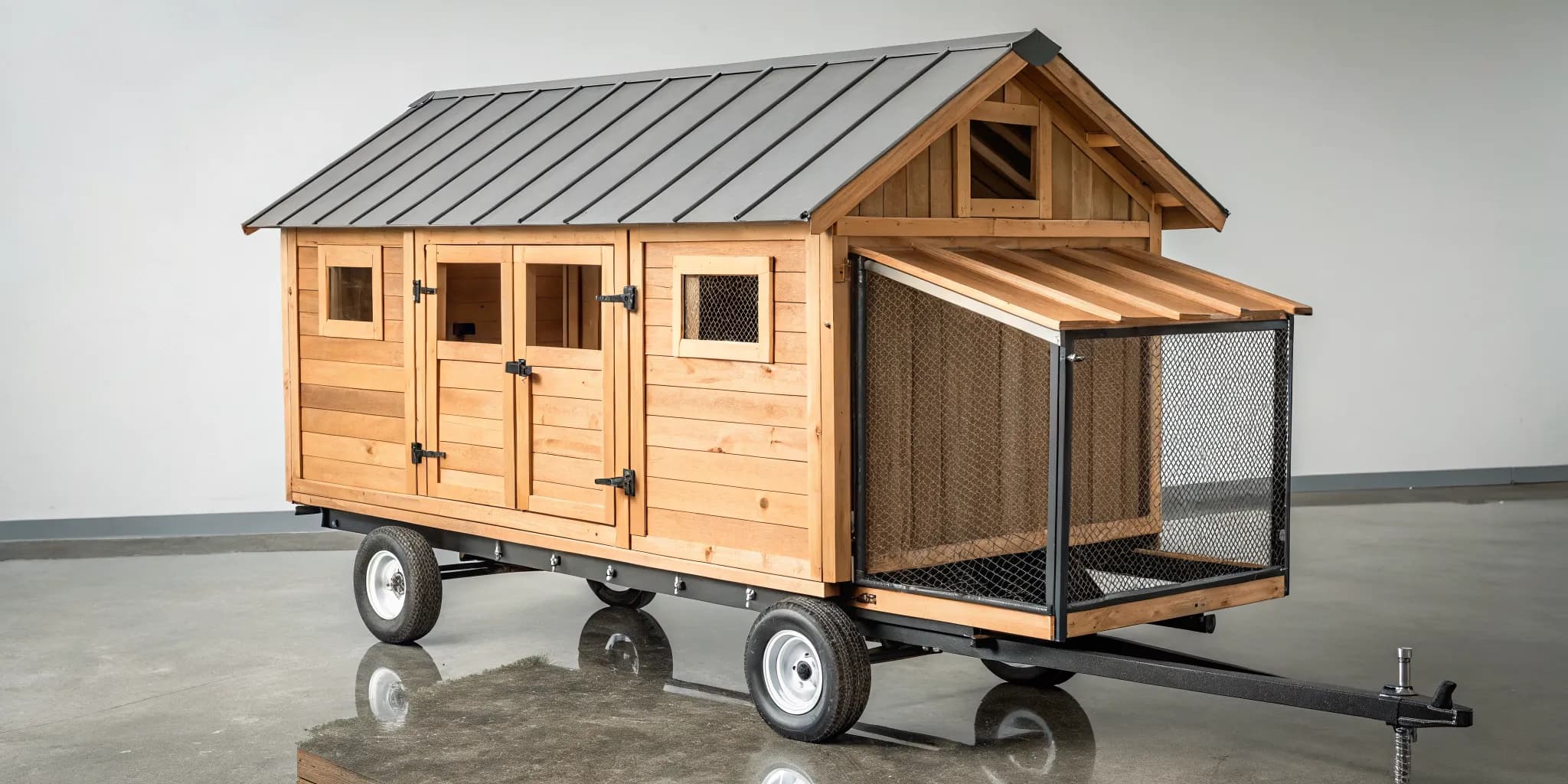
What if your chicken coop could do more than just house your flock? What if it could actively help you manage your property? That’s the brilliant advantage of a chicken coop wagon. By putting your coop on wheels, you transform your flock into a tiny, mobile landscaping crew. As you move them around your yard, they provide natural pest control by gobbling up ticks and slugs. Their droppings become a powerful, evenly distributed fertilizer that enriches your soil, making your lawn greener and your garden beds more productive. This approach allows you to harness your chickens' natural behaviors for your yard's benefit. This guide will show you how a mobile coop works and why it’s one of the smartest tools for any backyard homesteader.
Key Takeaways
- Use mobility to improve flock and yard health: Regularly moving your coop gives chickens fresh pasture for foraging, which improves their diet and happiness. This practice also naturally fertilizes your lawn and prevents any single area from becoming over-grazed.
- Invest in quality construction for long-term security: A well-built coop is your best defense against predators and harsh weather. Look for durable materials, proper ventilation, and essential security features like strong hardware cloth and secure latches to protect your flock.
- Calculate your space needs and establish a simple routine: Ensure your coop provides at least four square feet per chicken to prevent stress and illness. A consistent weekly schedule for cleaning the coop and moving it to a new location makes management simple and keeps your flock thriving.
What is a Chicken Coop Wagon?
If you've ever wished you could easily move your flock's home around your property, a chicken coop wagon is exactly what you're looking for. Think of it as a mobile home for your chickens. It’s a fully functional coop built on a frame with four sturdy wheels, designed to be relocated with minimal effort. This mobility is the key feature that sets it apart and offers a host of benefits for both you and your feathered friends. The wagon design typically includes a handle or a hitch, making it simple to pull or tow from one spot to another.
The main reason to have a coop on wheels is to give your chickens regular access to fresh ground. By moving the coop every few days, you allow your flock to forage in new areas, enjoying fresh grass, bugs, and seeds. This practice, often called rotational grazing, is fantastic for their diet and overall happiness. It also prevents one section of your lawn from turning into a muddy, over-grazed patch. Instead of concentrating all the chicken manure in one spot, you can distribute that natural fertilizer across your yard, improving your soil health over time. Legacy Structures offers a variety of high-quality chicken coops, including mobile designs that make this process simple and effective for any backyard farmer.
How is it Different From a Stationary Coop?
The biggest difference between a chicken coop wagon and a stationary coop comes down to permanence and weight. A stationary coop is a permanent structure, built to stay in one place. It’s often heavier, more robust, and can feel like a miniature barn or shed. Because it isn't designed to move, it can be built with heavier materials and anchored more securely to the ground.
A chicken coop wagon, sometimes called a chicken tractor, is built with mobility in mind. While still durable, it's engineered to be lightweight enough for one or two people to move. This doesn't mean it has to be flimsy. A well-built mobile coop provides all the security and comfort of a stationary one, just with the added flexibility of wheels.
The Benefits of a Coop on Wheels
Choosing a coop on wheels comes with some fantastic perks. First and foremost is the ease of cleaning. Since you can move the coop off its current spot, you’re left with an open area to rake and clean, and the coop itself is often designed for a quick hosing down. This makes routine maintenance much less of a chore.
Beyond cleanliness, a mobile coop promotes a healthier environment for your flock. Constant access to fresh pasture means a more varied diet and less exposure to parasites that can build up in a static location. It also keeps your chickens engaged and entertained. A thoughtfully designed coop on wheels will still prioritize your flock’s well-being with comfortable roosting bars, great air circulation, and quiet, private nesting boxes for egg-laying.
Why Choose a Mobile Coop?
When you think of a chicken coop, you probably picture a stationary little barn. But what if it had wheels? A mobile coop offers incredible flexibility for both your flock and your yard. Instead of being stuck in one spot, a chicken wagon lets you rotate their home, giving them fresh ground to explore while protecting your lawn from turning into a mud pit. This simple shift leads to healthier chickens and a happier backyard. It’s a smart approach that gives you more control and your flock a better quality of life.
Give Your Flock Fresh Pasture
One of the biggest perks of a mobile coop is giving your chickens regular access to fresh pasture. Chickens are natural foragers, and they thrive when they can peck at new grass and hunt for insects. Moving their home every few days prevents one area of your yard from being stripped bare. This rotation keeps your flock engaged and provides them with essential nutrients you can’t get from feed alone. Healthier chickens often lay more nutritious eggs, so it’s a win-win. Our chicken coops are designed to make this process simple, allowing you to easily roll their home to a new patch of green.
Improve Your Predator Protection
Keeping your flock safe is a top priority. A well-built mobile coop is a fortress on wheels, designed with security as a core feature. Sturdy construction and secure latches are your first line of defense against predators like raccoons and hawks. Beyond the physical security, mobility adds another layer of protection. Regularly changing the coop's location can confuse predators who might be scouting your yard. A coop that’s in a different spot every week is a much harder target to pin down, keeping your chickens safe and sound while they roam.
Make the Most of Your Yard
A mobile coop turns your flock into a tiny, feathered landscaping crew. As you move them around your property, they provide natural pest control by eating ticks, slugs, and other insects. Their droppings also act as a powerful, all-natural fertilizer, enriching the soil wherever they go. You can strategically move the coop to areas that need a little help, like a garden bed that’s resting between seasons. This approach lets you harness your chickens' natural behaviors for your yard's benefit, ensuring your entire property stays healthy and balanced.
How to Choose the Best Chicken Coop Wagon
Picking the right chicken coop wagon feels like a big decision, but it doesn't have to be complicated. When you know what to look for, you can confidently choose a mobile coop that keeps your flock safe, happy, and healthy for years to come. It all comes down to focusing on a few key areas: the quality of the build, the specific features that make your life easier, and the materials used. Let's walk through what really matters when you're ready to buy.
Why Quality Construction Matters
A well-built coop is your first line of defense against common chicken-keeping headaches like predators, parasites, and constant repairs. Solid construction means the structure will hold up season after season, giving you peace of mind and saving you from weekend maintenance projects. A durable coop keeps your chickens secure and comfortable, which is the foundation of a healthy flock. When you invest in quality from the start, you're setting yourself and your chickens up for success and avoiding the frustration of a coop that can't withstand the elements or keep your birds safe.
A Look at Legacy Structures' Mobile Coops
Our mobile chicken coops are designed to be a chicken tractor, run, and coop all in one functional package. We focus on thoughtful details that make a real difference in your daily routine. For example, some designs include a welded wire mesh skirt that moves with the wagon and locks down, creating a secure barrier that keeps predators out while your flock forages. It’s this kind of practical, handmade quality that turns a simple coop into a reliable home for your chickens, making management simpler and more effective.
Comparing Key Features and Materials
As you compare different wagons, pay close attention to the materials and built-in features. While some coops use recycled plastic, we believe in the time-tested durability of high-quality wood construction, backed by our 5-year warranty. Inside, look for essentials that keep your flock comfortable, like multiple roosting bars and a nesting box with separate spots for hens to lay their eggs. These features aren't just nice to have; they are vital for creating a low-stress environment where your chickens can thrive and feel secure day after day.
What Makes a Great Chicken Coop Wagon?
When you’re shopping for a chicken coop wagon, you’re not just buying a structure; you’re choosing a home for your flock. The best mobile coops are designed with the health, safety, and comfort of your chickens in mind, while also making your life as their keeper much easier. A great coop wagon perfectly balances four key elements: effortless mobility, excellent climate control, comfortable living quarters, and ironclad security. These features work together to create a safe and happy environment where your flock can thrive. Let’s look at what you should prioritize when comparing different chicken coops to find the perfect fit for your backyard.
Easy Mobility and Sturdy Wheels
The main advantage of a chicken coop wagon is its ability to move. This feature allows you to rotate your flock to fresh patches of grass, which gives them new areas to forage and prevents any single spot in your yard from getting worn down. To make this happen, the coop needs to be genuinely easy to relocate. Look for a design with large, sturdy wheels that can handle uneven terrain without getting stuck. A well-designed handle or tow point is also essential, ensuring you can pull the coop without straining. The goal is to make moving day a simple, one-person job, not a major chore that requires extra help.
Proper Ventilation and Weatherproofing
Proper airflow is critical for keeping your chickens healthy and preventing respiratory problems. A great coop will have vents, often placed near the roofline, that allow ammonia and moisture to escape without creating a draft directly on your flock. At the same time, the structure must be completely weatherproof. Quality construction with durable siding and a solid roof will keep your chickens dry during rainstorms and shaded from the hot sun. This protection from the elements ensures your flock stays comfortable and safe through every season, from humid summer days to chilly winter nights.
Comfortable Nesting Boxes and Roosts
Chickens have natural instincts to roost at night and seek out private, cozy spots to lay their eggs. A well-designed coop caters to these behaviors with dedicated features. Roosting bars should be raised off the floor, giving your chickens a safe place to sleep. Comfortable nesting boxes provide hens with a dark, quiet area to lay, which can encourage consistent egg production. For your convenience, look for coops with nesting boxes that are accessible from the outside. This small detail makes collecting fresh eggs a quick and easy task without you having to enter the coop and disturb the flock.
Predator-Proof Security Features
Protecting your flock from predators is one of your most important jobs as a chicken keeper. A secure coop is your first and best line of defense. A great chicken coop wagon is built with security as a top priority, leaving no weak points for predators like raccoons, foxes, or hawks to exploit. This means using strong hardware cloth on all windows and vents instead of flimsy chicken wire. It also includes secure latches on all doors and nesting box lids that can’t be easily opened by clever paws. The overall construction should be solid, with no gaps or holes, ensuring your chickens are safely tucked away each night. A 5-year warranty is often a good sign of durable, secure construction.
How Much Does a Chicken Coop Wagon Cost?
When you start shopping for a chicken coop wagon, you'll notice that prices can be all over the map. It’s helpful to understand what you can expect to pay and why there’s such a wide range. A simple, smaller coop might be more budget-friendly, while a larger, feature-rich model will be a bigger investment. Knowing the key differences will help you find the right fit for your flock and your wallet.
Understanding the Price Range
The cost of a chicken coop wagon can range from just over a thousand dollars to several thousand. For example, you might find a basic plastic model like the Wagon chicken coop for around $1,300. On the higher end, a more robust, handcrafted wooden model can cost upwards of $6,600. This difference often comes down to size, materials, and craftsmanship. Seeing this range helps you set a realistic budget and decide which features are non-negotiable for the health and safety of your chickens.
What Influences the Final Cost?
Several key factors determine the final price tag of a mobile coop. The materials used are a major one; a coop built with recycled plastic will have a different cost and maintenance profile than one constructed from high-quality, durable wood. The size of the coop and the number of chickens it can comfortably house also play a big role. Finally, special features add to the cost. This can include things like advanced predator-proofing, easy-clean flooring, integrated nesting boxes, and custom ventilation systems. When you look at different chicken coops, consider how these elements contribute to the overall value.
Why Investing in Quality Pays Off
It can be tempting to go for the cheapest option, but investing in a well-built chicken coop wagon pays off in the long run. A high-quality coop made from superior materials will stand up to harsh weather and frequent moves, saving you from costly repairs or a full replacement down the road. It’s a smart investment in the longevity of your setup. More importantly, a durable, well-designed coop provides better protection from predators and a healthier environment for your flock. A structure backed by a strong 5-year warranty gives you peace of mind that you're making a sound choice for years to come.
What Size Coop Does Your Flock Need?
Choosing the right size coop is one of the most important decisions you’ll make for your flock. It’s tempting to think smaller is cozier, but overcrowding can lead to some serious problems, like stress, pecking, and the quick spread of illness. A properly sized coop gives your chickens enough room to roost comfortably and move around, keeping them happy and healthy. Think of it as their safe haven, especially during bad weather or at night when they’re tucked away from predators.
When your birds feel cramped, they can become agitated and aggressive, which is the last thing you want in a happy flock. Giving them adequate space helps establish a natural pecking order without unnecessary conflict. It also improves air quality and makes cleaning much easier, which prevents the buildup of ammonia and bacteria. A little extra room goes a long way in promoting the well-being of your chickens and making your job as their keeper much more enjoyable. Let’s break down how to find that perfect fit for your feathered friends.
How to Calculate Space Per Chicken
A good rule of thumb is to provide about four square feet of floor space per chicken inside the coop. This gives them enough personal space to avoid squabbles and stay comfortable. For smaller breeds, like Bantams, you can get by with a little less, while larger breeds, like Orpingtons or Jersey Giants, will appreciate a bit more elbow room. Remember, this is their bedroom, so you want to ensure everyone has a comfortable spot. When you’re looking at different chicken coops, just do some quick math: multiply the number of chickens you have (or plan to have) by four to get the minimum square footage you should aim for.
Sizing for Small and Large Flocks
Once you have your magic number, you can start looking at specific coop sizes. For example, a coop that’s 4’x6’ (24 square feet) would be a great fit for about six medium-sized hens. It’s always a smart idea to plan for the future, too. Chicken math is a real thing, and it’s very easy to end up with more birds than you originally planned. Buying a coop that’s slightly larger than your current needs gives you room to grow your flock without having to upgrade your coop later on. You can browse our current inventory to see different dimensions and find a size that works for your flock now and in the future.
Should You Build or Buy Your Coop?
Deciding between building your own chicken coop wagon and buying one is a big step. The right choice really comes down to your skills, your budget, and how much time you have to spare. A DIY project can be incredibly satisfying, giving you a structure you built with your own two hands. It allows for total customization, letting you repurpose old materials or follow a unique design you found online.
On the other hand, buying a pre-built coop offers peace of mind and saves you a ton of time and effort. You get a professionally constructed home for your flock that’s built to last, designed by people who know exactly what chickens need to be safe and comfortable. There’s no need to worry about sourcing materials, interpreting complicated blueprints, or spending your weekends on a construction project. Instead, you can get a high-quality coop delivered and ready for your flock to move in. Let’s look at what each path involves.
The DIY Route: Plans and Materials
If you’re handy with tools and love a good project, building your own chicken coop can be a great experience. You can find countless free plans online that walk you through the process, from simple A-frames to more complex mobile designs. This route gives you the freedom to create a coop that perfectly fits your vision and your backyard space. You can even get creative by repurposing materials, like turning an old wagon frame into a mobile base. Just remember to factor in the cost of quality lumber, hardware, and roofing, as well as the time you’ll need to dedicate to the build.
The Pros of Buying a Pre-Built Coop
For many chicken keepers, buying a pre-built coop is the most practical choice. It eliminates the guesswork and ensures your flock has a secure, well-designed home from day one. When you purchase from a trusted builder, you’re getting a product made with superior materials and expert craftsmanship. Our chicken coops are designed for durability, proper ventilation, and ease of cleaning. Plus, you get the confidence that comes with a solid warranty, something a DIY project can’t offer. You save yourself weeks of work and can focus on what really matters: enjoying your flock.
Common DIY Mistakes to Avoid
Building a coop yourself can be tricky, and a few common mistakes can cause problems down the road. One of the biggest is failing to make the coop completely predator-proof. Raccoons, hawks, and other animals are clever, and any small gap or weak latch can put your chickens at risk. Another frequent issue is poor ventilation. Chickens produce a lot of moisture and ammonia, and without proper airflow, it can lead to respiratory problems. Finally, many first-time builders design coops that are a real chore to clean, which makes daily maintenance much harder than it needs to be.
How to Move and Maintain Your Coop
A chicken coop wagon is a fantastic tool for raising a happy, healthy flock, but its real magic comes from regular movement and upkeep. Creating a simple routine for cleaning, moving, and seasonal prep will keep your chickens healthy, protect your lawn from overgrazing, and ensure your coop lasts for years. A little bit of consistent effort goes a long way in managing your mobile coop and makes the whole experience more enjoyable for both you and your birds. Think of it as setting your flock, and your yard, up for success.
Your Daily and Weekly Cleaning Checklist
A clean coop is the foundation of a healthy flock. Your daily tasks are simple: provide fresh food and water, and do a quick scoop of any major droppings. Once a week, set aside a bit more time for a deeper clean. This means replacing all the old bedding with fresh material, scrubbing the food and water containers, and scraping down the roosting bars. High-quality chicken coops are designed with easy cleaning in mind, featuring accessible doors and durable surfaces that you can wipe down or even hose off quickly. A consistent cleaning schedule prevents the buildup of harmful bacteria and keeps your flock comfortable.
Creating a Moving Schedule
The main advantage of a mobile coop is giving your chickens fresh ground to forage. A great starting point is to move the coop to a new patch of grass once a week. This pasture rotation prevents them from turning one area into bare dirt, spreads their natural fertilizer across your yard, and gives them a constant supply of new bugs and greens to enjoy. You can adjust this schedule based on your flock's size and the condition of your lawn. If you notice the grass looking worn out sooner, simply move the coop every few days. The key is to stay ahead of the wear and tear.
Prepping Your Coop for Every Season
Your coop needs to protect your flock from the elements year-round, which means a little seasonal prep is in order. In the summer, make sure all vents are clear to allow for maximum airflow and provide shade during the hottest parts of the day. For winter, check for drafts and add extra bedding for insulation. It’s a good idea to inspect the entire structure a few times a year. Check the roofing, walls, and hardware for any wear and tear, and make repairs right away. This ensures the coop remains secure and weatherproof, no matter what the season throws at you.
Tips for Moving Your Coop Safely
Moving your coop should be a stress-free task. Before you start, walk the intended path and clear away any rocks, branches, or other obstacles. It’s best to move the coop with your chickens secured inside to keep them safe. When you’re ready, move it slowly and steadily to its new spot. A well-designed coop with sturdy wheels can often be moved by a single person. Once it’s in place, make sure it’s level and secure before letting your flock out to explore their new patch of lawn. Our chicken coops are built to be both durable and easy to handle, making the move simple and efficient.
Answering Your Top Questions About Mobile Coops
When you're thinking about getting a chicken coop wagon, a few key questions probably come to mind. You want to know if it’s a smart investment that will keep your flock safe, comfortable, and healthy. It’s completely normal to wonder about durability, security, and upkeep. Let’s walk through the most common questions so you can feel confident in your choice.
Are They Durable and Weather-Resistant?
Absolutely, but quality is everything. A well-built mobile coop is designed to handle years of use and whatever weather comes its way. Unlike flimsy kits from big-box stores, quality chicken coops are constructed with high-grade lumber and smart design features that prevent rot and decay. Look for coops built with treated wood and weather-resistant roofing that can stand up to rain, snow, and sun without falling apart. The goal is to find a structure that provides a safe, dry home for your flock season after season, without requiring constant repairs.
How Well Do They Protect from Predators?
Protecting your flock is a top priority, and a great mobile coop is built like a fortress. Security starts with solid construction that leaves no gaps for predators like raccoons, foxes, or hawks to exploit. Key features to look for include heavy-duty hardware cloth on all windows and vents, not flimsy chicken wire. Strong, lockable latches on all doors and nesting box lids are also essential. A well-designed coop ensures there are no weak points, giving you peace of mind that your chickens are tucked in safely every night. The manufacturer's warranty can also be a good indicator of a coop's structural integrity.
Are They Easy to Clean and Maintain?
Yes, and this is one of their best features. A mobile coop designed with the owner in mind makes cleaning much less of a chore. Look for models with large doors that give you easy access to the interior and nesting boxes that you can reach from the outside. Smooth interior surfaces are also easier to wipe down and sanitize. Because you can move the coop to fresh ground regularly, you prevent the buildup of waste in one spot, which is healthier for both your flock and your yard. A quick weekly clean-out is usually all it takes to keep the coop fresh and your chickens happy.
Get Started with Your Chicken Coop Wagon
Bringing home a new chicken coop wagon is an exciting step. A little preparation will help your flock settle in smoothly and set you up for long-term success. The beauty of a mobile coop is its flexibility, allowing you to move it for fresh grazing and optimal sun exposure. Here’s how to get everything set up, manage that crucial first week, and keep your flock happy for years to come.
Setting Up Your New Coop
First, find the perfect spot for your coop's initial placement. Look for a level area that gets a mix of sun and shade. The wheels on a wagon coop make this simple, since you can easily adjust its position later. Before your chickens move in, add a thick layer of bedding like pine shavings to the floor and nesting boxes. Fill their waterers and feeders, and make sure everything is secure. Our high-quality chicken coops are built to last, so you can feel confident your flock has a safe and sturdy home from day one.
Managing Your Flock's First Week
The first week is all about helping your chickens acclimate. It's best to keep them inside the coop and its attached run for the first few days so they learn this is their safe home base. Keep their food and water consistently full and check on them a few times a day, but try to keep the environment calm. A clean coop reduces stress, so scoop out soiled bedding daily. A well-designed coop also solves common problems like pests and predators, giving you peace of mind while your new flock gets comfortable.
Long-Term Tips for a Happy Flock
Maintaining a healthy environment is key to a happy flock. Establish a routine for cleaning, providing fresh food and water, and collecting eggs. Once a week, remove all the old bedding and replace it with fresh material. Regularly check that the coop has good ventilation to prevent respiratory issues. It's also smart to inspect the structure and hardware for any signs of wear, making repairs right away to keep it secure. Investing in a durable coop backed by a solid 5-year warranty ensures your structure remains a safe haven for your chickens through every season.
Frequently Asked Questions
How often should I move a chicken coop wagon? A good rule of thumb is to move the coop to a new patch of grass once a week. This gives your flock fresh foraging ground and prevents one area of your lawn from getting worn down. However, you can adjust this schedule based on your flock's size and your yard's condition. If you have a larger flock or notice the grass looking thin after just a few days, you might want to move it more frequently.
Can a mobile coop really protect my chickens from predators? Yes, as long as it's well-built. A high-quality chicken coop wagon is designed with security as a top priority. It should be constructed from solid materials with no gaps, use strong hardware cloth over all openings instead of flimsy chicken wire, and feature secure latches that a raccoon can't easily figure out. A thoughtfully designed mobile coop is just as much of a fortress as a stationary one.
Are chicken coop wagons suitable for cold winters? A well-constructed wooden coop wagon can absolutely work through the winter. Wood provides natural insulation, and a coop with a solid, draft-free design will keep your flock protected from the elements. For extra warmth, you can add a deep layer of bedding, like pine shavings, and position the coop in a spot that’s sheltered from harsh winds.
What's the difference between a chicken coop wagon and a chicken tractor? The terms are often used interchangeably to describe a mobile coop. Generally, a "chicken tractor" specifically refers to a bottomless frame that allows chickens to graze an area of land, tilling and fertilizing it as they go. Many chicken coop wagons incorporate this feature, combining a secure roosting house with an attached, movable run, giving you the best of both worlds.
Is it difficult for one person to move the coop? A well-designed coop should not be difficult for one person to move on fairly level ground. The key is in the design. Look for coops with large, sturdy wheels that can handle uneven terrain without getting stuck and a well-placed handle or tow point that gives you good leverage. The goal is to make relocation a simple, routine chore, not a major physical effort.