
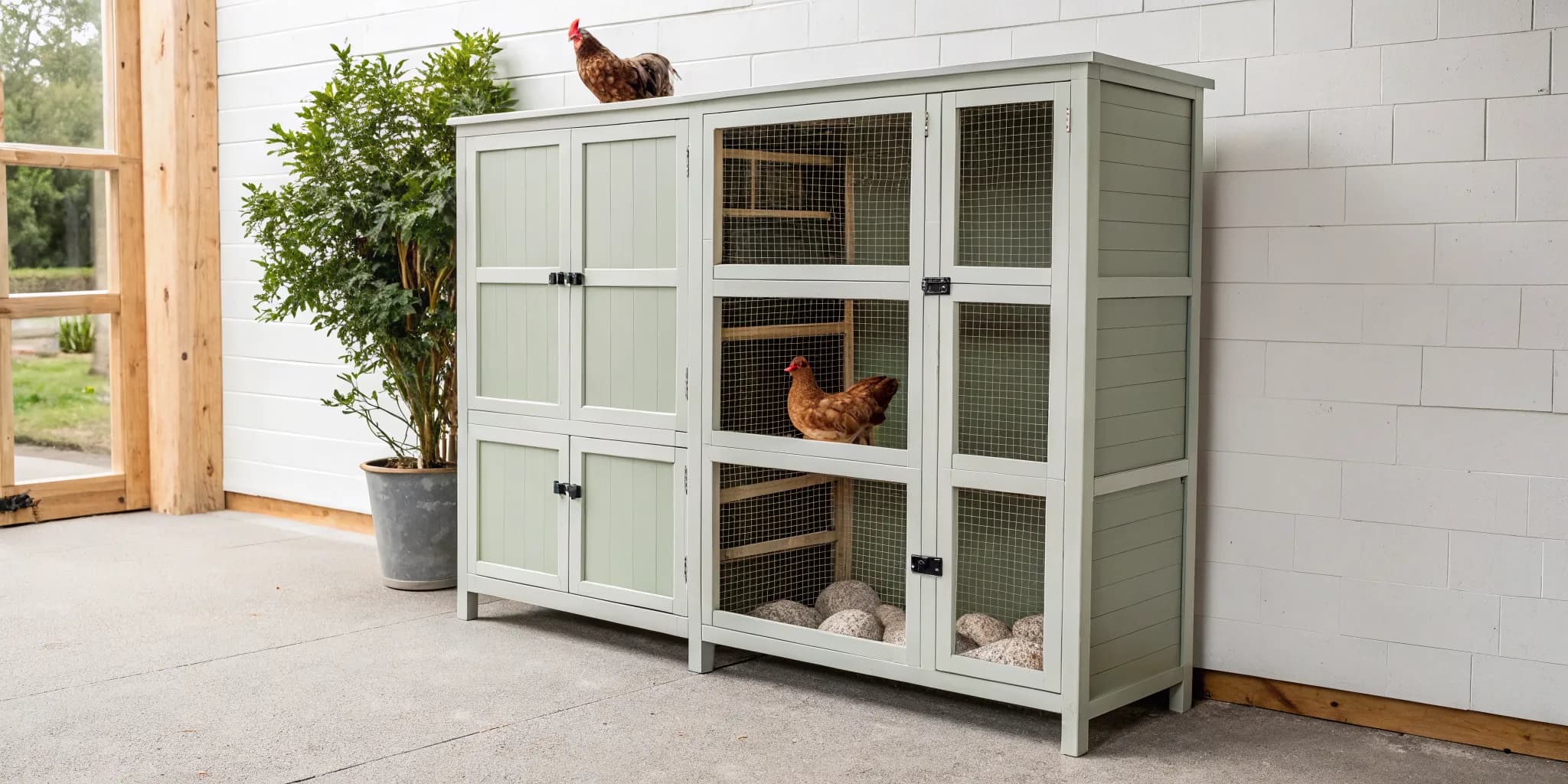
If you’ve ever found a feed bag chewed open by mice or had to run to the shed in the rain for the third time, you know that feeling: there has to be a better way. A functional coop is the heart of a happy flock, and a huge part of that function comes down to storage. Getting your chicken coop storage system right eliminates those daily frustrations and protects your flock’s health. This article is for anyone who has reached that breaking point. We’ll show you how to create designated zones, use vertical space, and choose the right containers to build a system that works for you, not against you.
Key Takeaways
- Use the right containers to protect your supplies: Store feed and bedding in rodent-proof metal or heavy-duty plastic bins, not their original bags. This simple step prevents costly spoilage from moisture and pests, directly protecting your flock's health and your wallet.
- Create a system for an easier routine: Establish designated zones for feed, tools, and health supplies so you always know where everything is. Use wall space for hooks and shelves to keep the floor clear, making daily cleaning quicker and less of a hassle.
- Consider a coop designed for storage: If you've tried every organizational trick and still feel cramped, the problem might be the coop itself. Upgrading to a structure with a built-in storage area is a long-term solution that makes your daily routine simpler from the start.
The Secret to an Easier Routine? Better Coop Storage.
Let’s be honest, your daily chicken-keeping routine should be a simple joy, not a frustrating chore. If you find yourself trekking back and forth to the garage for feed, hunting for a misplaced scraper, or discovering your expensive organic feed has gotten damp, your storage system is likely the culprit. An organized coop isn't about achieving a picture-perfect setup; it's about creating a functional space that makes your life easier and keeps your flock healthy and safe.
The secret is having everything you need right where you need it. Imagine a morning where you can grab feed, refresh bedding, and top off water all in one seamless flow without ever leaving the coop area. This isn't a far-off dream. It’s the reality that good storage provides. Many modern, well-designed chicken coops are now built with this efficiency in mind, incorporating storage as a key feature rather than an afterthought. By rethinking how you store your supplies, you can transform your daily tasks from a scattered hassle into a streamlined, peaceful routine.
The real cost of a disorganized coop
A messy coop does more than just look bad; it costs you time, money, and peace of mind. Think about the minutes you waste each day walking to another building for supplies. It might not seem like much, but it adds up, turning a quick chore into a drawn-out process. This constant back-and-forth is not just inefficient, it can be especially frustrating when you’re short on time or the weather is unpleasant.
Beyond the wasted time, a lack of proper storage can hit your wallet. When feed isn't stored in secure, airtight containers, it becomes an open invitation for moisture, mold, and rodents. Spoiled feed is money thrown away, and a rodent problem can introduce diseases that threaten your flock's health. The stress of dealing with these preventable issues is the hidden cost of disorganization, taking the simple pleasure out of raising chickens.
Common storage challenges for chicken keepers
Every chicken keeper faces a similar set of storage hurdles. First, there’s the sheer amount of stuff you need. We’re talking bulky bags of feed, bales of pine shavings, oyster shells, scratch grains, and an assortment of cleaning tools like shovels, rakes, and scrapers. Finding a dedicated spot for everything without creating a cluttered mess can feel like a game of Tetris.
The biggest challenge is often keeping supplies safe and dry. Feed and bedding are highly susceptible to moisture, which leads to mold and spoilage. They are also a huge attractant for pests. Finding a storage solution that is both waterproof and rodent-proof is essential. Many standard coops simply lack the dedicated, secure space needed to manage these items effectively, forcing you to come up with workarounds that might not be ideal in the long run.
What to Keep in Your Chicken Coop
Before you can create the perfectly organized coop, you need a clear picture of everything you’ll be storing. A little planning goes a long way in making your daily chores feel less like, well, a chore. Keeping these essentials organized and protected from pests and weather will make your chicken-keeping life so much easier. Let’s walk through the four main categories of supplies you’ll want to have on hand right in or near your coop.
Feed and water supplies
Your flock’s food is the most important, and often bulkiest, item you’ll need to store. This includes their main layer feed, scratch grains, and any special treats like oyster shells or grit. The biggest challenge with feed is keeping it fresh and safe from unwanted visitors. You should always store feed in rodent-proof containers. Use galvanized trash cans or heavy-duty, screw-top bins to keep out mice, rats, and moisture that can cause mold. It’s also smart to keep extra waterers, feeders, or spare parts nearby for quick swaps and cleanings, so you’re never scrambling to find them.
Bedding and nesting materials
Fresh bedding is key to a clean and healthy coop. Whether you use pine shavings, straw, or sand, you’ll need a dry, accessible place to store it. Large, compressed bags of shavings can take up a lot of room, so think about your space. You can store extra pine shavings and treats like mealworms in weather-resistant outdoor storage lockers to save space inside the coop itself. Don’t forget about nesting box materials. Keeping a small supply of fresh straw or nesting pads handy makes it simple to refresh the boxes and encourage your hens to lay in the right spot.
Cleaning tools and equipment
A clean coop is a happy coop, and having your tools within arm’s reach is the secret to staying on top of daily tidying. You’ll want a dedicated set of tools just for the coop to prevent cross-contamination. This includes a small rake, a shovel, a wide scraper for dropping boards, and a broom and dustpan. To keep them from cluttering the floor, install heavy-duty hooks or wall brackets right inside the coop or run for your brooms, dustpans, and poop sifters. A well-designed structure, like our chicken coops, often includes features that make cleaning and organizing these tools much simpler.
Health and first-aid supplies
Just like you have a first-aid kit for your family, your flock needs one, too. You never know when you’ll need to address a minor injury or illness, and having supplies ready can make a huge difference. Use a clearly labeled tote or a small built-in shelf to keep these items clean and accessible. Your kit should include basics like wound spray (Vetericyn is a popular choice), electrolytes for heat stress, poultry dust for mite prevention, and disposable gloves. It’s also wise to have items like zip ties and vet wrap on hand for creating a makeshift splint in an emergency.
Choosing the Best Storage Containers
The right containers are your first line of defense against spoiled feed, pesky rodents, and general clutter. Think of them as an investment in your flock’s health and your own sanity. Choosing durable, pest-proof, and moisture-resistant options will save you a lot of headaches and money in the long run. From classic metal cans to clever wall-mounted solutions, let's walk through the best options to keep your supplies safe, fresh, and organized.
Galvanized steel trash cans
These are a classic for a reason. Galvanized steel trash cans with tight-fitting lids are practically indestructible and create a fortress against pests. Mice and rats simply can’t chew through the metal, and the secure lid keeps moisture and bugs out of your feed. I always recommend using galvanized trash cans or screw-top bins to keep your supplies safe. They are perfect for storing large 50-pound bags of feed, scratch grains, or extra bedding like pine shavings. You can find them at most hardware or farm supply stores, and they will last for years, making them a smart, one-time purchase for your coop.
Heavy-duty airtight plastic bins
If metal isn't your style, heavy-duty airtight plastic bins are another fantastic choice. The key here is "heavy-duty" and "airtight." Flimsy plastic won't stop a determined rodent, so you should opt for durable, chew-proof containers. The airtight seal is a game-changer for keeping feed fresh and potent, locking out moisture that can lead to mold. These bins are also a bit lighter than their metal counterparts, making them easier to move on cleaning day. They often come in various sizes, which is great for separating different types of feed, supplements, or tasty mealworm treats for your flock.
Wall-mounted bins and organizers
To really make the most of your space, look up. Using your coop's vertical space is a brilliant way to keep things tidy and off the floor. You can install heavy-duty hooks or wall brackets right inside the coop for your brooms, dustpans, and shovels. Small, wall-mounted bins are perfect for holding first-aid supplies, grit, and oyster shells. Getting everything off the ground not only creates more floor space but also protects your tools and supplies from moisture and pests. A well-built chicken coop provides a sturdy frame that makes it easy to add these kinds of custom touches.
What to avoid in a storage container
Knowing what to use is important, but knowing what to avoid is critical. Steer clear of the original paper or plastic bags that feed comes in, as they offer zero protection from pests or moisture. You should also avoid containers that are not chew-proof or airtight, as they can allow pests and moisture to compromise your supplies. This includes thin plastic tubs, open buckets, or anything with a loose-fitting lid. Using the wrong storage is an open invitation for rodents and insects, which can contaminate your feed and spread disease. A little investment upfront in proper containers prevents much bigger problems later.
How to Organize Your Coop for Peak Efficiency
A tidy coop is more than just nice to look at; it’s the key to a smoother, more efficient routine. When everything has a place, your daily chores become simpler and less stressful. You can spend less time searching for the feed scoop or untangling extension cords and more time enjoying your flock. Organizing your coop is about creating a functional workspace that protects your supplies, keeps your chickens safe, and gives you back valuable time in your day. By thinking strategically about your layout and storage, you can transform a cluttered space into a well-oiled machine. These simple organizational methods will help you get everything in order.
Create designated zones
Think of your coop and run like a workshop. You wouldn’t keep your hammer mixed in with your paintbrushes, right? The same logic applies here. Creating designated zones for different categories of supplies will make your life so much easier. Set up one area specifically for feed and treats, another for cleaning tools like shovels and rakes, and a separate spot for health supplies and first-aid items. This system keeps everything tidy and predictable. You’ll know exactly where to find the pine shavings or the poultry wound spray when you need it, which is especially helpful in an emergency.
Use your vertical space
When you’re working with a limited footprint, the only way to go is up. Using your coop’s vertical space is one of the smartest ways to add storage without creating more clutter on the floor. Install heavy-duty hooks or a pegboard on an interior wall to hang your brooms, dustpans, and shovels. This keeps them off the ground, preventing them from getting dirty or becoming a tripping hazard. Wall-mounted shelves are perfect for smaller items, and you can even find magnetic strips to hold small metal tools. Freeing up floor space makes daily cleaning much easier and gives your chickens more room to move around comfortably.
Keep daily items within reach
How many trips do you make back and forth to the garage or house every day just to feed and water your chickens? Placing your most-used items right where you need them is a game-changer. Store your daily feed ration in a secure container just inside the coop or in an attached storage area. Keep a scoop and your flock’s favorite scratch grains nearby for easy access. Having a dedicated, weather-proof space for these essentials not only streamlines your chores but also protects your supplies from rain, pests, and curious chickens. A well-designed chicken coop often includes these thoughtful features.
Label everything
This might sound a little fussy, but trust me, it’s worth the five minutes it takes. Grab a marker or a label maker and get to work. Labeling your bins, totes, and containers takes all the guesswork out of finding what you need. It’s especially useful for items you don’t use every day, like supplements, medications, or seasonal supplies. When all your bins are clearly marked, you won’t have to open three different containers just to find the diatomaceous earth. This simple step keeps you organized and helps anyone who might be helping you with chicken chores while you’re away.
Plan for pests, weather, and ventilation
Great organization is also your first line of defense against common coop problems. When you plan your storage, think about protecting your supplies from pests, moisture, and heat. Use metal or heavy-duty plastic containers with locking lids to keep rodents out of your feed. Storing bedding off the ground prevents it from getting damp and moldy. It’s also important to ensure your storage solutions don’t block any vents, as good airflow is critical for a healthy coop environment. When you design a custom coop, you can build in storage that addresses these concerns from the start.
Smart DIY Storage Ideas for Your Coop
If your current coop feels a bit cramped, getting creative with some do-it-yourself storage can make a world of difference. You don’t need a massive space to be organized; you just need a smart system. The right storage setup keeps your supplies clean, dry, and safe from pests while making your daily chores feel less like, well, a chore. From simple weekend projects to more integrated additions, these ideas can help you reclaim your space and streamline your routine. A well-organized coop is easier to clean and manage, which means more time to simply enjoy your flock.
Even if you're starting with a basic structure, a few thoughtful additions can transform it into a highly functional space. Many of these ideas can be incorporated into existing chicken coops or planned into a new build. The goal is to create a place for everything, so everything can be in its place.
Built-in shelving and cabinets
One of the best ways to get organized is to build storage directly into your coop’s structure. Adding built-in shelves or cabinets creates a dedicated home for feed bags, supplements, and cleaning supplies, getting them off the floor and out of the way. You can install simple shelving along an unused wall or build a full cabinet to keep items secure behind a closed door. This approach is especially useful for keeping things tidy in a smaller footprint. When planning your layout, you can even use a 3D builder tool to visualize how different shelving configurations would work in your space.
Hanging hooks and tool racks
Don’t forget to look up. Your coop’s vertical space is prime real estate for storage. Installing heavy-duty hooks, pegboards, or simple tool racks is an easy and affordable way to organize the tools you use every day. Hang up your shovels, rakes, brooms, and dustpans to keep them off the ground, where they can get dirty or become tripping hazards. This simple trick instantly declutters the floor and puts your essential tools right where you can see and grab them. It’s a small change that makes a huge impact on your daily workflow and the overall tidiness of your coop.
Storage benches with hidden compartments
Why not make your storage do double duty? A storage bench with a hinged lid is a brilliant addition to any coop. It gives you a convenient place to sit while you watch your chickens, and it also provides a hidden compartment for stashing supplies. You can store extra bedding, first-aid kits, or bags of treats inside, keeping them protected and out of sight. This multi-functional piece adds comfort and organization without taking up extra floor space, making it a perfect project for maximizing efficiency in your coop.
Under-coop and lean-to solutions
If you need more storage than your coop’s interior can offer, consider expanding outward. Building a small, attached lean-to shed creates a separate, secure area for all your supplies. This is an ideal solution for storing large bags of feed and bales of bedding, keeping them safe from both pests and your curious chickens. For an even more robust option, placing one of our dedicated storage sheds next to your coop can serve as a complete command center for your flock, giving you ample room for tools, supplies, and seasonal equipment.
Is It Time to Upgrade Your Coop for More Storage?
If you’ve tried every bin, hook, and shelf but still feel like you’re drowning in clutter, the problem might not be your organization skills. It might be your coop. Sometimes, the most effective storage solution is a fresh start with a structure designed to handle your needs from the beginning. As your flock grows or your routine changes, your coop should be able to adapt. If it can’t, it might be holding you back from the easy, enjoyable chicken-keeping experience you deserve. Upgrading your coop isn't just about getting more space; it's about investing in a smoother, more efficient daily routine.
What to look for in a new coop
When you start shopping for an upgrade, think beyond just the square footage for your flock. Look for a coop with smart, integrated storage. Some of the best designs include built-in feed rooms or dedicated storage areas that keep your supplies clean, dry, and organized. Consider the materials and construction, too. A well-built coop made from quality materials will not only last longer but will also do a better job of protecting your feed and equipment from pests and weather. High-quality chicken coops are designed with both the birds and their keepers in mind, making your daily chores simpler and more pleasant.
Pre-built coops with attached storage
For many chicken keepers, a pre-built coop with an attached storage area is the perfect solution. These models take the guesswork out of the equation, offering a seamless design where your feed, bedding, and tools are stored just steps from where you need them. Imagine not having to haul heavy bags of feed across the yard in the rain or snow. An integrated storage space keeps everything conveniently located and secure. This setup can dramatically improve your daily routine, giving you more time to simply enjoy your flock. You can often find pre-built structures in the current inventory that are ready to be delivered.
Custom designs built for your needs
If you have a specific vision or unique requirements, a custom-built coop might be the right path for you. This approach allows you to design a structure perfectly tailored to your flock size and your personal workflow. You can decide exactly how large the storage area should be, where to place doors and windows for easy access, and what kind of shelving or built-in features you want. Some companies even offer a 3D Shed Builder tool that lets you design your coop online, ensuring it meets your every need before it’s even built. This is your chance to create the ultimate coop that makes your chicken-keeping dreams a reality.
Related Articles
- Chicken Coop | Legacy Structures
- Animal Shelter | Legacy Structures
- Lofted Barn | Legacy Structures
- Lofted Barn | Legacy Structures
- Backyard Barns | Legacy Structures
Frequently Asked Questions
What's the most critical storage mistake to avoid? The biggest mistake is storing feed improperly. Keeping feed in its original paper bag or a flimsy plastic bin is an open invitation for rodents and moisture. This not only wastes money on spoiled feed but can also introduce diseases to your flock. Your top priority should be investing in a galvanized steel can or a heavy-duty, airtight plastic container to keep feed safe, dry, and pest-free.
My coop is really small. What's the best way to add storage without creating more clutter? When floor space is tight, the best thing you can do is use your walls. Installing simple hooks for tools like rakes and shovels gets them off the ground immediately. You can also add a few small shelves for first-aid supplies or supplements. Using your vertical space is a simple and effective way to organize your essentials without making a small coop feel even more cramped.
I'm feeling overwhelmed by all the clutter. What's the very first step I should take? I completely understand that feeling. The best way to start is by creating designated zones. Don't try to organize everything at once. Just pick one corner or wall and make it your "feed zone." Move your feed containers there. Then, pick another spot for your "cleaning zone" and gather your tools. Grouping similar items together makes the mess feel more manageable and gives you a clear plan of action.
Is it really necessary to have a separate first-aid kit just for my chickens? Yes, it's a very good idea. You never know when a minor injury or illness will pop up, and you won't want to be running to the store in an emergency. Having a dedicated, clearly labeled kit with items like wound spray, electrolytes, and poultry dust means you can act quickly. Keeping it in a clean, dry spot inside the coop ensures it's always right where you need it.
How do I know if I need a new coop versus just better organization? If you've tried adding shelves, hooks, and better containers but still find yourself constantly tripping over things or storing essential supplies in your garage, it's probably time to consider an upgrade. A coop should support your routine, not complicate it. When the structure itself is the main source of your storage problems, a new coop with built-in, dedicated storage can be a worthwhile investment in your time and peace of mind.