Your garage is overflowing, your basement is packed, and you can’t find the garden shears you know you left somewhere. A shed seems like the perfect solution, but making the right choice is key to actually solving your clutter problem for good. When you’re ready to buy an outdoor storage shed, you want to invest in a structure that not only fits your stuff but also stands up to the weather and looks great in your yard. This guide is designed to help you do just that. We’ll cover the common mistakes to avoid and share smart tips for getting the best value.
Key Takeaways
- Do Your Homework First: Before you start shopping, figure out the right size for your needs, check local permit requirements, and plan for a solid foundation. This initial prep work ensures you choose a shed you’ll be happy with for years.
- Invest in Quality for Long-Term Value: While a low price is tempting, a well-built shed made from durable materials will save you money on future repairs. A strong warranty is the best sign that a company stands behind its product and your investment is protected.
- Get the Shed You Want Within Your Budget: Find great deals by looking at pre-built inventory or watching for seasonal sales. Use a 3D builder to customize a shed that fits your budget, and consider rent-to-own for a flexible payment plan that gets you storage now.
First Things First: What Kind of Shed Do You Need?
Before you get lost in the fun of picking out styles and colors, let's cover a few basics. Answering these simple questions first will make the entire process smoother and ensure you end up with a shed that you’ll love for years to come. Think of it as creating a blueprint for your purchase. By figuring out exactly what you need your shed to do, where it will live, and what local rules you need to follow, you can shop with confidence and avoid any surprises.
Nail Down the Size and Purpose
Start by taking a quick inventory of everything you plan to store. Will it be a home for your lawnmower and gardening tools, a workshop for your hobbies, or a place to keep bikes and outdoor toys organized? Make a list. This simple step helps you visualize the footprint you'll need. It’s a good rule of thumb to choose a size that’s slightly larger than your current needs to allow for future additions. Having a little extra elbow room is always better than wishing you had more space. Our storage sheds come in a variety of dimensions, so you can find the perfect fit for everything from rakes to riding mowers.
Factor in Your Climate and Yard
Your shed needs to be tough enough to handle our upstate New York weather, from heavy snowfalls to summer rain. The quality of the materials and construction is what really matters for long-term durability. A well-built structure will protect your belongings season after season. You should also consider your yard itself. Take a walk around and pinpoint the best location. Is the ground level? Will you need to do any site prep? Thinking about these details now ensures your shed will have a stable, secure home. A solid build backed by a strong warranty gives you peace of mind that your investment is protected.
Check on Local Permits
This is a step you definitely don’t want to skip. Before you finalize your purchase, take a moment to check with your local town or county office about building permits. Many areas, including around Hudson Falls, have regulations for accessory structures like sheds, often based on their size or foundation. A quick phone call or visit to their website can clarify what’s required. Getting this sorted out ahead of time is a simple way to prevent potential headaches and ensure your new shed installation goes off without a hitch. It’s all about doing a little homework upfront to save yourself time and stress later.
Wood vs. Resin vs. Metal: Picking the Right Shed Material
Choosing the right material for your shed is a big decision that affects its look, lifespan, and upkeep. The three main options are wood, resin, and metal. Each has its own benefits, and the best choice comes down to your personal style, budget, and how much time you want to spend on maintenance. Do you want a classic look, a set-it-and-forget-it solution, or maximum security for your tools? Let’s walk through what each material offers so you can feel confident in your choice.
The Classic Look of Wood
There’s a reason wooden sheds are so popular: they have a timeless, traditional look that blends beautifully into any backyard. One of the best things about wood is that you can customize it completely. Paint or stain it to match your house, add decorative trim, or even install window boxes for a touch of charm. While wood requires some regular maintenance like sealing or painting to protect it from weather and pests, a well-built wooden shed can last for decades. High-quality storage sheds are built to withstand the elements and provide a durable, beautiful structure that adds value to your property.
The Low-Maintenance Appeal of Resin
If you’re looking for a shed that requires almost no upkeep, resin might be your answer. These sheds, made from durable plastic, are built to resist rot, rust, and pests without any need for painting or sealing. They are also lightweight, which can make assembly a bit easier. Resin sheds handle tough weather well and won't deteriorate like untreated wood. The trade-off is that they can look less natural than wood, and your customization options are often limited. For many people, though, the convenience of a low-maintenance solution is the most important factor.
The Unmatched Durability of Metal
When it comes to pure strength and security, metal sheds are hard to beat. Typically made from galvanized steel or aluminum, they offer excellent protection against fire, pests, and theft, making them a great choice for storing expensive tools and equipment. They are incredibly long-lasting and can stand up to extreme weather. On the downside, metal sheds can be prone to denting, and if the protective coating gets scratched, rust can become an issue. They don't offer the same classic aesthetic as wood, but for a purely functional and secure storage space, metal is a very practical option.
Finding Your Perfect Shed Style
Once you’ve settled on the practical details like size and material, you get to the fun part: choosing a style. This decision is about more than just looks. The shape and design of your shed influence how you use it, how it fits into your yard, and how it complements your home. Think of it as finding a structure that not only holds your stuff but also adds a little something extra to your property. Do you need something that tucks away neatly into a corner, or are you looking for a building that makes a statement?
Some styles are designed to maximize storage in a small footprint, while others are built for easy access to bulky equipment. You’ll also find classic designs that bring a traditional, charming feel to your backyard, turning a simple storage building into a beautiful feature. The right style makes your shed more functional and can genuinely enhance the overall look of your outdoor space. Let’s walk through a few popular options to see which one might be the perfect fit for your needs and your yard.
Vertical Sheds for Tight Spaces
If you’re working with a smaller yard or just want to dedicate as little ground space as possible to storage, a vertical shed is a brilliant solution. These sheds are designed to make the most of upward space. According to a guide on shed styles, "Vertical sheds are often taller and narrower, allowing them to fit into tight corners or alongside fences." This makes them perfect for storing long-handled tools like rakes and shovels, as well as ladders and gardening supplies. By organizing your items vertically, you can keep everything you need within reach without sacrificing your precious lawn space. Our various storage sheds come in multiple footprints to suit any yard.
Horizontal Sheds for Easy Access
For those who need to store bulkier items, a horizontal shed is often the way to go. Instead of a tall, narrow profile, these sheds are lower and wider, which makes getting things in and out much easier. There’s no need to dig past stacks of boxes to find what you’re looking for. This layout is ideal for things like lawnmowers, wheelbarrows, and bicycles. As one storage article notes, "Horizontal sheds are great for those who need to store larger items and prefer a more accessible layout." If convenience is your top priority, a wider design like our portable garages can save you a lot of hassle.
Timeless Backyard Barns and Side Gables
If you want a shed that adds character and charm to your property, you can’t go wrong with a classic design. Styles like backyard barns and side gables offer a timeless look that blends beautifully with almost any home and landscape. With their pitched roofs and traditional feel, these sheds do more than just store your belongings; they become an attractive focal point. A design overview rightly states, "Barn-style sheds not only provide significant storage but also enhance the visual appeal of your backyard." These styles often include lofts for extra overhead storage, giving you plenty of room in a structure you’ll be proud to have in your yard.
What's the Price Tag on an Outdoor Shed?
Shed prices can feel all over the map, but they generally fall into a few key brackets based on size, materials, and features. Understanding these tiers will help you set a realistic budget and know what to expect for your money. Whether you're looking for a simple storage spot or a fully customized workshop, there’s a shed out there that fits your wallet. Let's break down what you can expect to spend.
Starting Out: Budget-Friendly Options
If you're looking for a basic, no-frills storage solution, you can find budget-friendly sheds for between $300 and $1,000. These are typically smaller structures made from materials like resin or basic, untreated wood. They’re great for stashing a lawnmower, a few garden tools, or some outdoor cushions. While they get the job done for light storage, they may not offer the long-term durability or weather resistance of more robust models. As HomeAdvisor points out, the average shed cost is higher, but these simpler models are an accessible entry point if your needs are minimal.
The Sweet Spot: Mid-Range Options
For most homeowners, the sweet spot for value and quality lies in the mid-range, which typically runs from $1,000 to $3,000. In this price range, you’ll find sheds built with higher-quality materials like treated wood or sturdy metal. These structures are designed to last and often come with valuable extras like windows for natural light, built-in shelving, or stronger flooring. According to The Spruce, mid-range sheds offer a great balance, as they are often made from better materials and can be customized to fit your needs. This is where you start seeing options like charming backyard barns and versatile side gables that truly add to your property’s function and appeal.
The Dream Shed: Premium and Custom Builds
If you have a specific vision or need a structure that does more than just store things, you’ll be looking at premium and custom-built sheds. These start at around $3,000 and can go up to $10,000 or more. Here, the sky's the limit. You can get a shed with electrical wiring, insulation, high-end finishes, and a design that perfectly matches your home’s architecture. This is the perfect route for creating a home office, a workshop, or a she-shed. With a 3D Shed Builder, you can design every detail yourself, from the window placement to the door style, ensuring you get exactly what you want.
Where to Buy Your Shed: What Are Your Options?
Okay, you’ve figured out the size, material, and style you’re looking for. Now comes the fun part: shopping! Finding the right place to buy your shed is just as important as choosing the shed itself. Your experience, the quality of the final product, and the support you receive can vary a lot depending on where you go. Generally, you have three main paths you can take: a local builder, a big-box store, or an online-only retailer. Let's break down what you can expect from each one so you can make a choice you feel great about.
Local, Custom Builders
If you want a shed that feels like a true extension of your home, a local, custom builder is your best bet. This is the route for anyone who values craftsmanship, personalization, and hands-on service. Working with a local company means you get to talk to experts who know the area and can guide you through every step. You’re not just picking a model from a catalog; you’re creating a structure that fits your exact needs. Want to match the siding to your house or add an extra window for more light? A custom builder can make it happen. You can even use tools like a 3D Shed Builder to design your perfect shed right from your couch. Plus, you get the satisfaction of supporting a small business in your own community.
Big-Box Retailers
You’re probably familiar with the shed aisles at stores like Home Depot or Lowe's. These big-box retailers are a popular option because they are convenient and offer a wide range of pre-made shed kits. It can be helpful to see a few assembled models in person to get a feel for their size and features. If you’re on a tight budget, you might also stumble upon a clearance deal on a floor model. The main trade-off here is a lack of customization and, sometimes, a difference in material quality. These sheds are mass-produced, so you’re limited to the standard options they have in stock. Assembly is also typically a DIY project, which is something to keep in mind.
Online-Only Stores
For those who love the convenience of shopping from home, online-only retailers offer a massive selection of sheds at the click of a button. These websites often feature factory-direct deals and can be a good place to browse different brands and styles all at once. The biggest challenge with buying online is that you can’t see, touch, or walk inside the shed before you buy it. You have to rely on photos and customer reviews to judge the quality. A great middle ground is to browse a local builder's inventory online, which gives you the ease of digital window shopping with the confidence of buying from a trusted local source that can deliver and install it for you.
Why a Good Warranty Matters
Okay, let's talk about something that might seem a little boring but is actually super important: the warranty. When you're investing in something as significant as an outdoor shed, you want to know it’s built to last. A good warranty is basically the manufacturer's promise to you that they stand behind their work. It’s your safety net against defects in materials or construction, saving you from surprise repair costs down the road.
Think of it this way: a company that offers a strong, long-term warranty is confident in its product. They’ve used quality materials and solid building techniques, and they're willing to bet on their shed's durability. This gives you incredible peace of mind. Instead of worrying about what might go wrong, you can feel secure knowing your purchase is protected. For instance, we back every one of our structures with a top-to-bottom 5-year warranty that covers any defects in workmanship or materials.
A solid warranty isn't just about fixing problems, either. It's a clear indicator of the shed's overall quality. When you see a multi-year warranty, it tells you the shed was designed for longevity, not just to look good for a season or two. And if you ever decide to sell your property, having a shed with a warranty still in effect can be a nice little bonus for potential buyers. It shows the structure has been well-cared for and came from a reputable builder. So, as you compare your options, don't just look at the price tag; always ask about the warranty. It says a lot about the shed you're bringing home.
Is Rent-to-Own a Smart Move for You?
So, you’ve found the perfect shed, but the upfront cost feels a little steep. I get it. That’s where rent-to-own comes in, and it can be a really great option for a lot of people. Think of it as renting a shed for a set period, with every payment you make going toward the final purchase. This setup gives you immediate access to the storage you need without having to pay the full price all at once. It’s a fantastic way to get organized now while spreading the cost over time.
The biggest advantage is financial flexibility. If you’re working with a specific monthly budget or you’re not entirely sure if the shed is the right long-term fit, renting to own lets you try it out without a massive initial investment. However, it’s important to look at the whole picture. Over the full rental term, the total cost might be higher than the original purchase price. You’re essentially paying for the convenience of smaller payments and immediate use.
Before you decide, take a close look at the agreement terms. A good program will be clear and simple. For example, our rent-to-own program is designed to be straightforward, with no credit checks required. You’ll want to understand the payment schedule and what happens if your needs change down the road. If you know you’ll need that shed for years to come, buying outright can be more economical. But if you need a quality shed now with a manageable payment plan, rent-to-own is a smart and practical path to ownership.
Common Shed-Buying Mistakes (and How to Sidestep Them)
Buying a shed feels like a straightforward purchase, but a few common missteps can lead to buyer's remorse. The good news is that they are all easy to avoid with a little bit of planning. Knowing what to look out for will help you invest in a structure that you’ll be happy with for years, not just a season. From picking a size that’s too small to forgetting about a proper foundation, these oversights can turn your dream storage solution into a source of frustration. We want you to love your new shed from day one and for many years after. Let’s walk through the most frequent mistakes so you can sidestep them like a pro and make a confident, smart purchase.
Buying a Shed That's Too Small
One of the most common regrets is underestimating how much space you actually need. It’s easy to focus on your current storage pile and forget about the future. That holiday decor, the new lawnmower, or the kids' growing collection of bikes all need a home. A good rule of thumb is to choose a shed that’s one size larger than you think you need. Before you commit, take a quick inventory of what you plan to store and then add about 25% more space for future items. This ensures your storage shed won’t feel cramped a year or two down the road.
Forgetting About the Foundation
A shed is only as strong as the ground it sits on. Placing your new shed directly on the grass is a recipe for trouble. Without a proper foundation, moisture from the ground can seep in, causing the floor to rot and the frame to warp. An unstable base can also make the doors and windows difficult to open and close over time. A simple gravel pad or a concrete slab provides the stability your shed needs to last. It’s an extra step, but it’s essential for protecting your investment and maintaining the structure's integrity for years to come.
Ignoring Ventilation and Access
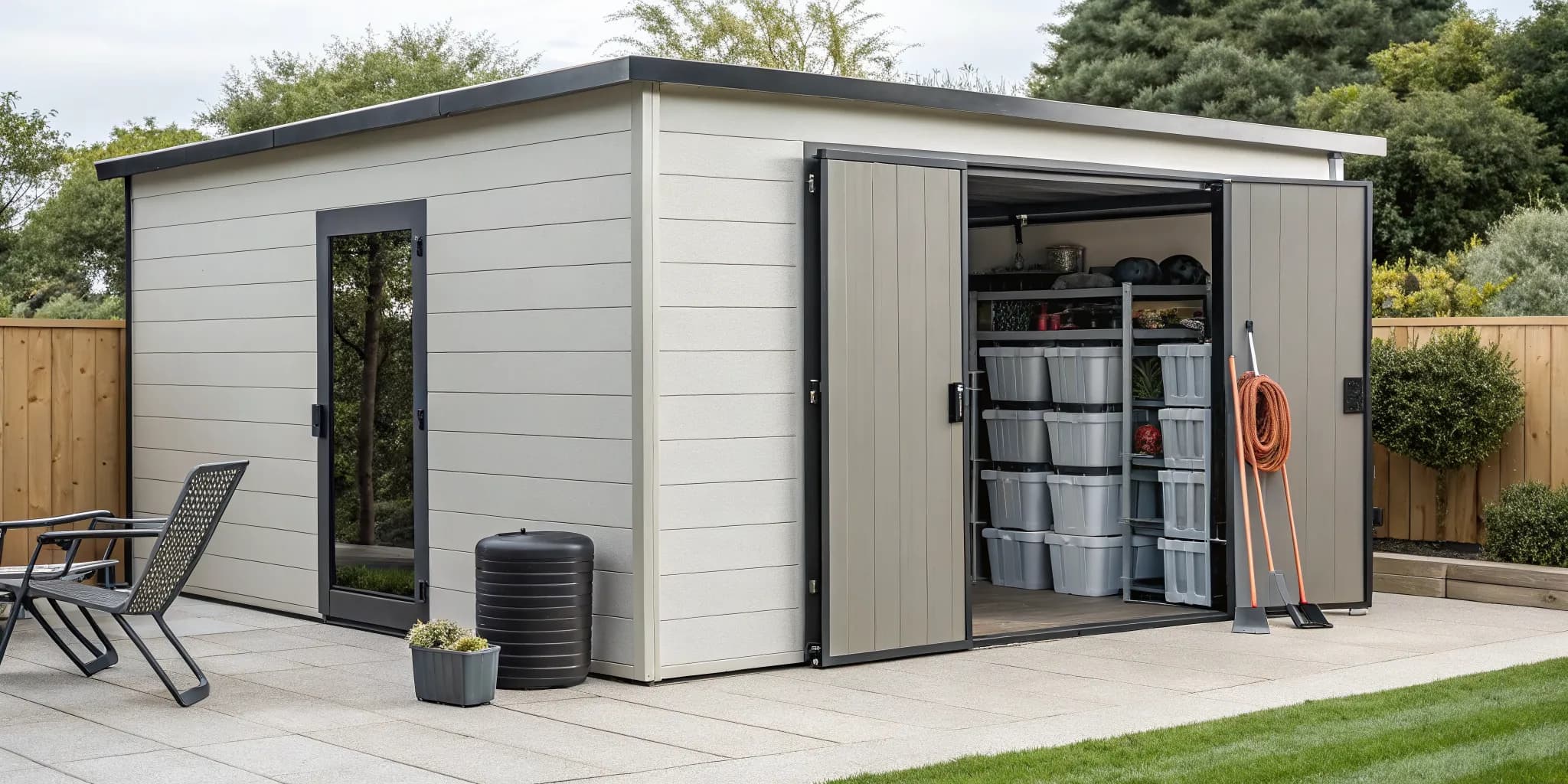
What happens inside your shed is just as important as the structure itself. Without proper airflow, heat and humidity can build up, creating a perfect environment for mold and mildew to grow on your belongings. Vents are a small feature that makes a huge difference. Equally important is access. Think about the largest item you plan to store. Can you get it through the door easily? Consider double doors if you’ll be moving bulky equipment like riding mowers or wheelbarrows in and out. Planning for good ventilation and easy access makes your shed far more functional.
Choosing Price Over Lasting Quality
It’s always tempting to go for the cheapest option, but a shed is not the place to cut corners. A lower price tag often means lower-quality materials that won't stand up to harsh weather, leading to leaks, dents, and a shorter lifespan. You might save a little money upfront, but you’ll likely pay more later in repairs and replacements. Investing in a well-built shed made from durable materials is a smarter financial move. A company that stands behind its work with a solid 5-year warranty is usually a good sign you’re getting a quality product that’s built to last.
Not Planning for Future Needs
Your life isn’t static, and your storage needs will likely change over time. The shed that’s perfect for storing gardening tools today might need to become a small workshop, a home for your new hobby, or a place to store patio furniture tomorrow. When choosing a shed, think about its potential uses down the line. Could you add a workbench? Is there enough headroom to install shelving? Using a 3D shed builder can help you visualize different layouts and features, allowing you to design a versatile space that can adapt with you and your family’s changing needs.
How to Get the Best Value on Your New Shed
Finding a high-quality shed that fits your budget is all about smart shopping, not just hunting for the lowest price. True value comes from investing in a structure that will last for years, protecting your belongings without requiring constant repairs. The good news is that you don't have to choose between quality and affordability. With a little bit of strategy, you can get a fantastic deal on a shed that meets all your needs. A bit of planning can help you find significant savings on the perfect backyard building. Let's walk through a few practical ways to make sure you get the most for your money.
Explore Pre-Built Inventory for Great Deals
If you want a high-quality shed without the wait time of a custom build, checking out pre-built options is one of the smartest moves you can make. Builders often have an on-site selection of their most popular models, display units, or even prior custom orders that are ready for immediate delivery. You can often find a variety of structures like storage sheds and garages at a reduced price. By choosing from the current inventory, you can get the same great construction and materials at a discount, simply because the shed is already built. It’s a fantastic way to save money and get your new storage space set up right away.
Keep an Eye Out for Seasonal Sales
Timing your purchase can make a big difference in the final price. Many shed builders have seasonal sales or clearance events to make room for new models. Look for these deals during the off-season or at the end of a busy period, like in the fall. These sales can provide significant savings on your new shed, allowing you to get a premium model for a much lower price than its regular retail value. The best way to stay in the loop is to follow local builders on social media or sign up for their email lists. This way, you’ll be the first to know when a promotion starts, giving you the best selection of discounted sheds.
Use a 3D Builder to Design Within Your Budget
Customizing a shed doesn't have to mean breaking the bank. In fact, using an online design tool is one of the best ways to control costs while creating a shed that’s perfect for you. A 3D shed builder lets you experiment with different sizes, styles, colors, and features, all while showing you the price in real time. You can add an extra window, try a different door style, or change the roofing material and instantly see how it affects the total cost. This tool puts you in the driver's seat, allowing you to design a shed that fits your exact needs and budget without any surprises. It’s the perfect way to balance your wish list with your wallet.
Making the Most of Your New Storage Space
Okay, your beautiful new shed has arrived. The foundation is set, it’s perfectly placed in your yard, and now you’re looking at a clean, empty space. This is where the magic happens. Turning that empty box into a hyper-organized, functional space is the final step in reclaiming your garage and basement. With a little planning, you can create a system that makes finding what you need simple and keeps your shed tidy for years. It’s all about working smarter, not harder, to create a storage space that truly serves you.
Use Vertical Space and Clear Bins
This is my number one rule for any storage space: go vertical. Your shed has walls for a reason, so use them! Installing sturdy shelving units or wall-mounted racks allows you to get items off the floor, which is a total game-changer. This frees up valuable floor space for bulky equipment like your lawnmower or wheelbarrow. According to experts, vertical storage solutions are the best way to take advantage of the full height of your shed.
For all the smaller odds and ends, clear plastic bins are your best friend. Instead of guessing what’s in that cardboard box from three seasons ago, you can see the contents at a glance. This makes finding your gardening gloves or holiday lights so much faster.
Create Zones for Your Gear
Think of your shed like a mini-department store, with a section for everything. Creating zones is a simple but effective way to keep things in order. Designate one area for all your gardening supplies, another for sports equipment, and maybe a corner for automotive tools or paint. This approach stops you from having to search the entire shed for one small item.
A great way to start is to divide your shed into zones based on how you use your things. Put frequently used items, like your watering can or lawn shears, in a zone near the door for easy access. Seasonal items, like snow shovels or pool toys, can go toward the back. Add some simple labels to your shelves or bins, and you’ll never have to wonder where anything is again.
Plan for Simple Cleaning and Upkeep
An organized shed is so much easier to keep clean, and a little regular upkeep goes a long way in protecting your investment. When you’re setting everything up, think about future you. Use materials for shelves that are easy to wipe down, and make sure you leave clear pathways so you can easily sweep the floor. A clean space is a more enjoyable and functional space.
Some of the best shed organization tips focus on making maintenance a breeze. Consider keeping a small broom and dustpan hanging on a hook just inside the door. That way, you can quickly sweep up dirt, grass clippings, or sawdust without having to run back to the house for supplies. A few minutes of tidying up after each project will prevent clutter from building up and keep your shed looking great.
Related Articles
- Utility Shed | Legacy Structures
- Utility Shed | Legacy Structures
- Utility Shed | Legacy Structures
- Utility Shed | Legacy Structures
- Utility Shed | Legacy Structures
Frequently Asked Questions
What are the absolute first things I should do before I start shopping for a shed? Before you even look at styles, figure out three key details. First, make a list of everything you plan to store to get a realistic idea of the size you need; it's always wise to go slightly bigger. Second, call your local town office to ask about permit requirements for backyard structures. Finally, decide where the shed will go and plan for a proper foundation, like a simple gravel pad, to ensure it stays stable and dry.
How can I get a high-quality shed without spending a fortune? Finding the best value isn't about finding the lowest price, it's about making a smart investment. Focus on sheds built with durable materials that can handle our weather, and make sure the builder offers a solid warranty. To make a quality shed fit your budget, you can look for deals on pre-built inventory models or time your purchase during a seasonal sale. This way, you get a structure that lasts without the high price tag.
I have a specific vision for my shed. How much can I actually customize it? You have a lot of control, especially when working with a local builder. You can go far beyond just picking a size. With tools like a 3D builder, you can design your shed from the ground up, choosing everything from the siding and roof color to the style and placement of doors and windows. This process lets you create a structure that perfectly matches your home and fits your budget, as you can see the price change with each selection.
What's the difference between buying a shed outright and using a rent-to-own program? Buying outright is the most economical option in the long run, as the total cost will be lower. However, a rent-to-own program is a fantastic choice if you need storage immediately but want to spread the cost out over time with manageable monthly payments. It gives you the flexibility to get the shed you need now without a large upfront expense, and every payment goes toward eventual ownership.
Besides buying a shed that's too small, what's another common mistake I should avoid? A frequent oversight is forgetting to plan for a proper foundation. Placing a shed directly on the grass can lead to moisture damage, rot, and an unstable structure over time. A level base, such as a gravel pad or concrete slab, is essential for protecting your investment. It keeps the shed stable, ensures the doors and windows function correctly, and helps the entire structure last for many years.