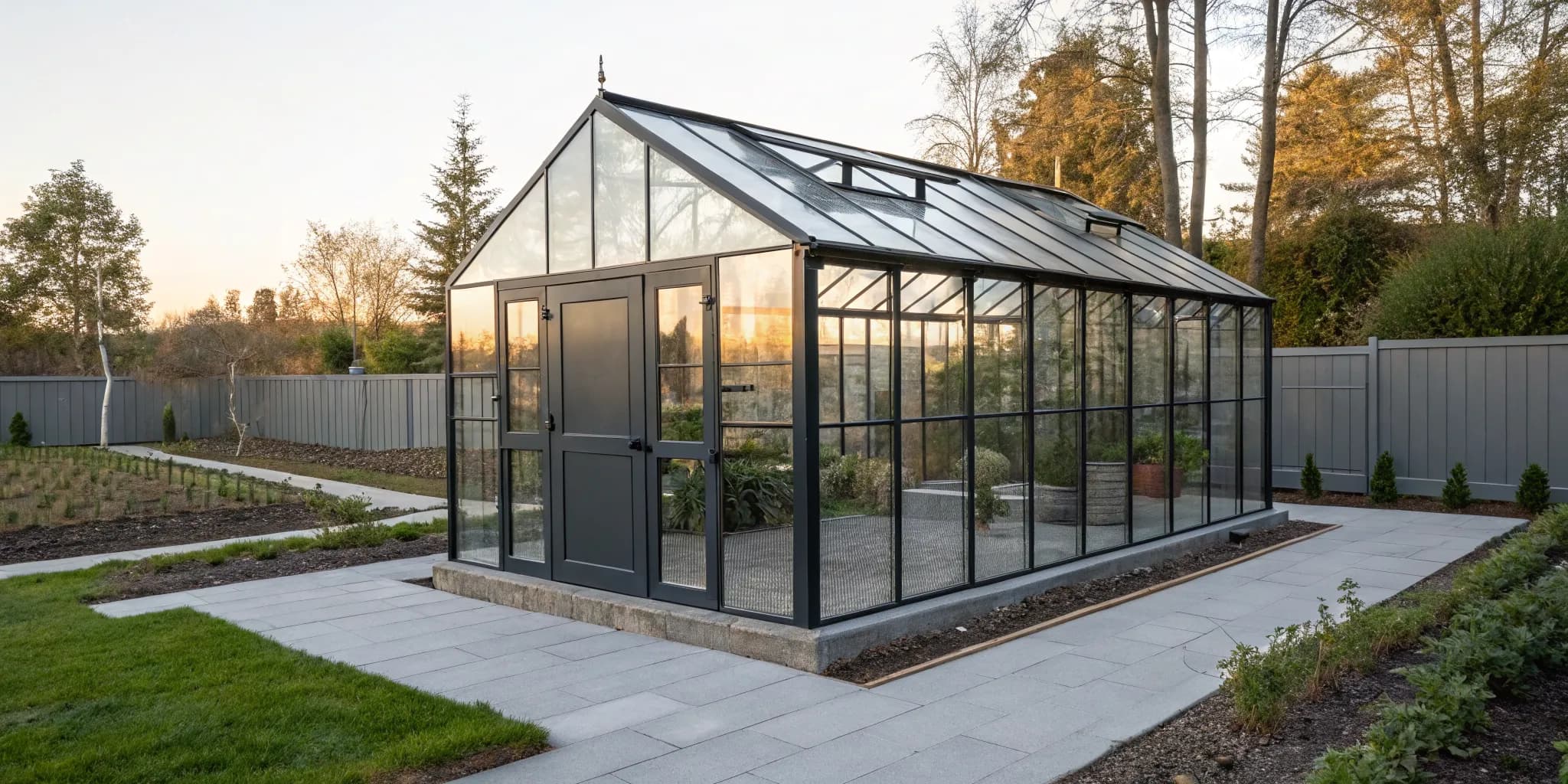
Choosing a greenhouse in Hudson Falls means thinking about more than just what you want to grow; it means considering our local weather. You need a structure that can handle a heavy snow load and stand up to cold winter winds. When you see a backyard greenhouse for sale, it’s crucial to know if it’s built for our specific climate. This guide is written with the upstate New York gardener in mind. We’ll cover everything from the best materials for durability to the right size for your property, helping you select a greenhouse that will thrive in your backyard for many seasons.
Key Takeaways
- Do your homework before you buy: Measure your yard for a sunny, level spot, clarify your gardening goals, and check local building codes to prevent any surprises down the road.
- Prioritize quality construction: Look beyond just the size and focus on essential features like a sturdy frame, durable polycarbonate covering, and good ventilation to create a healthy environment for your plants.
- Think long-term about your budget: Investing in quality materials prevents future problems, and options like rent-to-own programs can make a durable, well-built greenhouse affordable now.
What Are the Main Types of Backyard Greenhouses?
Choosing a greenhouse isn't a one-size-fits-all decision. The best one for you depends on your available space, what you plan to grow, and your budget. Getting familiar with the main styles is the perfect first step to creating your dream garden oasis. From large, permanent structures to small, seasonal setups, there’s a greenhouse type to match every gardener's needs. Understanding these options will help you find the perfect structure to extend your growing season and protect your plants.
Freestanding Greenhouses
Freestanding greenhouses are exactly what they sound like: standalone structures you can place anywhere in your yard that gets enough sun. This flexibility is their biggest perk. You aren't tied to the side of your house or garage, so you can pick the optimal spot for light and drainage. They come in a huge range of sizes and designs, from quaint hobby houses to expansive structures for serious growers. Whether you need a small space for your seedlings or something much larger, you can find a freestanding model that fits. Our greenhouses are built to last, giving you a durable, independent space to nurture your plants year-round.
Lean-To Greenhouses
If you're working with a smaller yard or want convenient access to your home, a lean-to greenhouse is a fantastic option. These are designed to attach directly to an existing wall, like the side of your house, garage, or even a sturdy shed. This design is incredibly space-efficient. Plus, it makes running water and electricity to your greenhouse much simpler. The shared wall also absorbs heat from the sun during the day and radiates it back at night, which can help keep temperatures more stable for your plants. It’s a practical and clever way to integrate a growing space right into your home.
Portable and Pop-Up Models
Not ready to commit to a permanent structure? Portable and pop-up greenhouses offer amazing flexibility. These models are lightweight and designed for easy assembly and disassembly, making them perfect for seasonal gardening or for renters who can't build a permanent foundation. They give you a controlled environment to extend your growing season without the long-term investment. Many companies offer heavy-duty backyard greenhouse kits that are surprisingly sturdy yet still user-friendly, so even if you're new to gardening, you can get one set up in no time. These are a great way to test the waters before investing in a larger, more permanent greenhouse.
Hoop Houses and Cold Frames
For a more budget-friendly or DIY approach, hoop houses and cold frames are excellent choices. A hoop house uses a simple frame of arched pipes, the hoops, covered with greenhouse plastic to create a tunnel-like structure. They are effective at trapping heat and protecting plants from the elements but are generally less expensive and easier to build than traditional greenhouses. Cold frames are even simpler. Think of them as small, bottomless boxes with a clear lid that sit directly on the garden bed. They are perfect for hardening off seedlings in the spring or protecting low-growing crops like lettuce and spinach from the first frost.
Key Greenhouse Features to Consider
Once you have a general idea of the type of greenhouse you want, it’s time to get into the details. The materials and features you choose will directly impact your greenhouse’s longevity, maintenance needs, and how well your plants grow. Thinking through these key components will help you find a structure that truly works for your backyard and your gardening ambitions.
Frame Materials and Construction
The frame is the skeleton of your greenhouse, so you want it to be strong and sturdy. Different materials offer different benefits. Wood frames have a classic, beautiful look, while aluminum is lightweight and rust-resistant. At Legacy Structures, our greenhouses feature a durable design with LP Smart Siding around the base. This engineered wood is treated to resist rot and pests, giving you a solid foundation that lasts. A well-built frame provides the stability your greenhouse needs to stand up to wind, rain, and snow, protecting your precious plants year after year.
Covering Options: Glass, Polycarbonate, or Plastic
The covering, or glazing, is what lets the sunshine in. Glass is the traditional choice, offering excellent light transmission and a crystal-clear view. However, it can be heavy and fragile. Polycarbonate panels are a popular modern alternative. They are incredibly durable, lightweight, and provide great insulation. Our greenhouses use a clear polycarbonate roof and upper walls to let in plenty of natural light while also offering built-in shading. This dual-purpose material helps keep your greenhouse warm on cooler days and prevents plants from getting scorched in the summer sun.
Ventilation and Climate Control
Plants need to breathe, and good airflow is non-negotiable for a healthy greenhouse. Without proper ventilation, heat and humidity can build up, creating a perfect environment for pests and diseases. Look for greenhouses with built-in windows or vents that you can easily open and close. This allows you to control the temperature and humidity inside, ensuring your plants have the fresh air they need to thrive. A simple habit of checking on your greenhouse regularly will help you make sure the conditions are just right for everything to flourish.
Foundation and Flooring Needs
Every sturdy structure needs a solid base. While some large greenhouses require a permanent concrete foundation, many backyard models don't. Our portable buildings are designed for stability without the extra cost and hassle of pouring concrete. You’ll just need a level spot in your yard. For flooring, you can use gravel, pavers, or even bare ground. Whatever you choose, make sure it allows for good drainage. A solid foundation and proper flooring will keep your greenhouse stable and make your gardening tasks much more enjoyable.
How Much Does a Backyard Greenhouse Cost?
Let's talk numbers. The cost of a backyard greenhouse can range from a few hundred dollars for a simple kit to several thousand for a large, feature-rich structure. Think of it as an investment in your gardening passion. The final price tag really depends on three main things: size, materials, and any special features you want to include. A small, basic model for starting seedlings will naturally cost less than a large, glass-paneled structure designed for year-round growing.
The good news is that this wide range means there’s likely a greenhouse that fits your budget. Before you start shopping, it’s helpful to have a clear idea of what you want to grow and how much space you have. This will help you narrow down your options and find a structure that meets your needs without breaking the bank. At Legacy Structures, we offer a variety of high-quality greenhouses to match different goals and budgets, so you can find the perfect home for your plants.
Budget-Friendly Options
If you're just starting out or have a small backyard, a budget-friendly greenhouse is a fantastic choice. These models typically range from about $500 to $1,600 and come in compact sizes, like 6’x8’ or 8’x10’. They provide enough space to get your seeds started early, overwinter sensitive plants, or grow a small crop of herbs and vegetables. While they may use more basic materials, they are a perfect, low-risk way to see if greenhouse gardening is right for you. They give you a controlled environment to extend your growing season without a major financial commitment.
Mid-Range Models
For gardeners who need a bit more room to grow, mid-range greenhouses are often the sweet spot. Priced generally between $1,300 and $3,800, these structures offer more space, with common sizes like 10’x12’ or 12’x16’. This extra room allows you to cultivate a wider variety of plants and can even accommodate a small potting bench and tool storage. Mid-range models often feature more durable frame materials and better covering options than their budget counterparts, giving you a great balance of quality, functionality, and price for your backyard.
Premium Greenhouses
If you’re a serious gardener or envision a beautiful structure that doubles as a backyard retreat, a premium greenhouse is the way to go. These high-end models can start around $1,800 and go up to $5,500 or more, depending on the size and features. They are built with top-quality materials designed to last for decades and often include advanced features like superior ventilation and insulation. This is also where you’ll find the most room for personalization. You can use a 3D shed builder to design a structure that perfectly matches your home and gardening ambitions.
What Affects the Final Price?
Several key factors determine the total cost of a greenhouse. The most obvious is size; a larger footprint requires more materials and labor, which increases the price. The materials themselves play a huge role. For the frame, wood offers a classic look, while metal is often more durable. For the covering, polycarbonate panels provide excellent insulation and durability, while traditional glass offers crystal-clear views and can last for up to 50 years. Finally, any customizations, like built-in shelving, automated ventilation systems, or a specific type of foundation, will also add to the final cost.
How to Choose the Right Greenhouse Size
Picking the right greenhouse size is one of the most important decisions you’ll make. It’s a classic Goldilocks situation: you don’t want one that’s too small and limits your ambitions, but you also don’t want to pay for space you’ll never use. The best approach is to think about your current needs and your future plans. A common piece of advice from seasoned gardeners is to buy a greenhouse that’s one size larger than you think you need. It’s amazing how quickly you can fill the space with new plants, tools, and potting benches.
Before you settle on a size, consider your property’s layout and how much room you can realistically dedicate to the structure. Think about sun exposure and accessibility. It can be helpful to mark out the potential footprint in your yard with stakes and string to get a real-world feel for the scale. You can also use a 3D builder tool to visualize different dimensions and styles, which helps make the decision feel less abstract and more concrete. Finding that perfect balance between your available space and your gardening dreams is the key to long-term satisfaction.
Small Greenhouses for Tight Spaces
If you have a smaller backyard or are just getting started with greenhouse gardening, a compact model is a fantastic choice. Typically ranging from 6’x8’ to 8’x10’, these greenhouses are perfect for nurturing seedlings, growing a curated collection of herbs, or overwintering a few prized plants. They offer a manageable space that’s easy to heat and maintain without a significant investment. A small greenhouse lets you learn the ropes and enjoy the benefits of a controlled growing environment, making it an ideal entry point for new gardeners or those with limited space.
Medium Options for the Average Backyard
For the dedicated home gardener, a mid-sized greenhouse often hits the sweet spot. With dimensions around 10’x12’ or 12’x16’, these structures provide a great balance of growing space and affordability. You’ll have enough room for multiple shelving units, a small potting bench, and the flexibility to grow a wider variety of plants, from tomatoes and peppers to delicate flowers. This size fits comfortably in most backyards and supports a more ambitious gardening hobby, allowing you to extend your growing season and experiment with new crops without feeling cramped for space.
Large Greenhouses for Serious Gardeners
If gardening is your passion, a large greenhouse is a worthy investment. Structures that are 12’x20’ or bigger open up a world of possibilities. This generous space allows for year-round food production, cultivating large or exotic plants, and creating dedicated zones for different growing stages. You can easily accommodate full-sized workbenches, tool storage, and even a comfortable chair for enjoying your green oasis. For the serious hobbyist, homesteader, or small-scale grower, a large greenhouse provides the room you need to let your gardening skills truly flourish.
Match the Size to Your Gardening Goals
Ultimately, the right size comes down to what you want to accomplish. Before you decide, take a moment to map out your plans. What do you want to grow? Are you starting seeds for a large vegetable garden, growing heat-loving fruits, or protecting delicate orchids? Think about the mature size of your plants and how much space they’ll need. Sketch out a potential layout, including benches, pathways, and any storage you might want inside. Considering your long-term goals will help you choose from the available greenhouses and find a size that serves you well for years to come.
Where to Find Your Perfect Greenhouse
Once you know what you’re looking for, the next step is finding where to buy it. From local craftspeople to online retailers, you have plenty of options. The right choice often comes down to your budget, how much customization you want, and whether you prefer to see the structure in person before buying. Exploring these different avenues will help you find a high-quality greenhouse that fits your gardening dreams and your wallet.
Legacy Structures and Local Experts
There’s a lot to be said for shopping local. When you work with a local expert, you get personalized service and the chance to see the craftsmanship up close. For gardeners in the Hudson Falls area, Legacy Structures offers beautiful, custom greenhouses designed to meet your specific needs. Buying from a local builder means you’re not just getting a structure; you’re getting a partner who understands the regional climate and can help you choose the perfect design for your backyard. It’s a great way to invest in a quality product that’s built to last.
Online and Direct-to-Consumer
If you love the convenience of shopping from home, many companies offer direct-to-consumer greenhouses online. This route gives you access to a wide variety of styles and sizes you might not find locally. Companies like Legacy Structures make it easy to browse and even design your ideal greenhouse from your computer. You can use a 3D Shed Builder to customize your structure, choosing features like clear polycarbonate roofs for maximum sunlight and durable siding for longevity. This approach combines the ease of online shopping with the assurance of quality materials.
Seasonal Sales and Off-Peak Deals
Timing your purchase can lead to significant savings. Many retailers offer sales during the off-season to clear out inventory before the spring rush. January, for example, is often a great time to find a deal on a new greenhouse. By planning ahead and buying during these slower months, you can get a high-quality structure for a lower price. Keep an eye on local sellers and online stores for seasonal promotions. This strategy allows you to get your greenhouse set up and ready to go well before the first planting season begins.
Rent-to-Own Programs
A greenhouse is a significant investment, but a large upfront cost doesn’t have to be a barrier. Rent-to-own programs offer a flexible path to ownership without the immediate financial strain. These plans allow you to make manageable monthly payments while enjoying your greenhouse right away. It’s an excellent option if you’re working with a specific budget or want to try out a greenhouse before fully committing. Legacy Structures offers a straightforward rent-to-own program, making it easier than ever to bring your gardening vision to life without breaking the bank.
Your Pre-Purchase Checklist
Before you get swept up in the excitement of choosing styles and colors, it’s smart to handle a few practical details. Thinking through these key points will make the entire process smoother and ensure you end up with a greenhouse that truly works for you. A little planning now saves a lot of headaches later and sets you up for a successful growing season. Let’s walk through the essential checklist to get you started on the right foot.
Assess Your Local Climate
Here in upstate New York, we know a thing or two about harsh weather. Your greenhouse needs to be tough enough to handle heavy snow and chilly winters. Look for a structure with a sturdy frame and durable covering that can protect your plants all year long. Our greenhouses are built with high-quality materials designed to withstand the local climate, so you can keep your garden growing no matter what the weather brings. A well-built structure is an investment that ensures your plants stay safe and sound through every season.
Plan Your Site and Placement
Where you put your greenhouse matters just as much as the greenhouse itself. Pick a spot in your yard that gets at least six hours of direct sunlight each day, as this is crucial for most plants. You’ll also want to choose a level area to make installation easier and ensure stability. Think about convenience, too. Placing it close to your house and a water source will make tending to your plants much more manageable. Take some time to walk your property and find that perfect, sunny, and accessible location.
Define Your Growing Goals
What do you dream of growing? Are you planning to start seeds for your summer vegetable garden, grow exotic flowers, or have fresh greens all winter? Your goals will determine the right size and style of greenhouse for your needs. If you’re just starting out, a smaller model might be perfect. For more ambitious projects, you’ll want more space. Using a 3D builder tool can help you visualize different layouts and customize a structure that perfectly matches your gardening aspirations, ensuring you have plenty of room to grow.
Check Local Building Codes
Before you finalize your purchase, it’s a good idea to check in with your local municipality about building permits. In many places, you may need a permit depending on the greenhouse's size and location. A quick call to the Hudson Falls town or village office can clarify any local rules or setback requirements you need to follow. Taking this step early on prevents any surprises and ensures your new greenhouse complies with all local regulations. It’s a simple check that gives you complete peace of mind.
Common Greenhouse Buying Mistakes to Avoid
Buying a greenhouse is an exciting step, but it's also a significant investment in your gardening journey. To make sure you get the most out of it, it helps to know about the common slip-ups people make along the way. Thinking through these points ahead of time will save you from future headaches and ensure your new greenhouse is a place of joy, not frustration. From picking a size you'll outgrow in a single season to underestimating the importance of a sturdy frame, a little foresight goes a long way. Let's walk through the biggest mistakes to avoid so you can choose your greenhouse with confidence.
Picking the Wrong Size
One of the most frequent regrets I hear from fellow gardeners is, "I wish I'd gone bigger." It's easy to underestimate how quickly you'll fill the space with seedlings, tools, and mature plants. Before you buy, think about your future gardening ambitions. Do you want to experiment with new crops next year or add a potting bench inside? Choosing a size that accommodates your goals for the next few years, not just this season, is a smart move. It’s always better to have a little extra room to grow into than to feel cramped right away. You can explore different greenhouses to get a feel for various dimensions and find what works for your long-term plans.
Overlooking Ventilation Needs
A greenhouse is designed to trap heat, but without proper airflow, it can quickly get too hot and humid for your plants to thrive. Good ventilation is non-negotiable for a healthy growing environment. It helps regulate temperature, reduces the risk of fungal diseases, and ensures a steady supply of fresh air for your plants. When you're shopping, look for models with built-in roof vents, side windows, or the option to add an automated fan system. Ensuring your plants can breathe is just as important as giving them sunlight and water, and it’s a key feature that separates a well-designed structure from a simple plastic box.
Choosing a Poor Location
Where you place your greenhouse is just as important as the greenhouse itself. A common mistake is setting it up in a spot that gets too much shade or is blasted by intense, all-day sun. Before you decide, spend some time observing your yard. The ideal location usually gets at least six hours of direct sunlight, preferably in the morning to warm things up gently. You also want to consider convenience. Is it close to a water source? Will you need to run electricity to it? Make sure the ground is level and that the spot has good drainage to avoid any water-logging issues after a heavy rain.
Skimping on Quality Materials
It can be tempting to choose the cheapest greenhouse available, but this is one area where you truly get what you pay for. A flimsy frame or thin covering might not survive a tough winter or a strong storm, leading to costly repairs or a full replacement. Investing in a structure made from high-quality, durable materials will save you money and stress in the long run. A sturdy frame and strong paneling provide better insulation and protection for your plants. That's why a solid 5-year warranty is such a great indicator of a well-built product; it shows the manufacturer stands behind its construction.
How to Set Up Your Greenhouse
Once you’ve chosen your ideal greenhouse, the next step is bringing it to life in your backyard. Proper setup is the key to a stable, long-lasting structure that will serve your gardening needs for years. Taking the time to get the installation right ensures your plants have the perfect environment to thrive and protects your investment from the elements. From deciding who will build it to picking the perfect spot, a little planning goes a long way.
DIY vs. Professional Installation
Deciding whether to build your greenhouse yourself or hire a professional comes down to your comfort level, time, and the complexity of the structure. Many modern greenhouses are sold as kits designed for straightforward assembly, making them a great project for both new and experienced gardeners. If you enjoy a hands-on project and want to save on installation costs, the DIY route can be very rewarding.
On the other hand, professional installation offers peace of mind. For larger or more intricate models, having an expert handle the construction guarantees that everything is secure, level, and built to last. This is an excellent option if you’re short on time or simply want to ensure the job is done perfectly from the start.
Preparing Your Site
A successful greenhouse starts with a solid foundation. The first step is choosing the right location in your yard. Pick a spot that gets the ideal amount of sun or shade for the specific plants you plan to grow. For most vegetables and flowers, a south-facing location that receives at least six hours of direct sunlight is best. Also, consider how wind and drainage might affect the area.
Once you’ve picked your spot, you need to prepare a flat, level base. This is crucial for the stability and longevity of your structure. A concrete slab is an excellent choice for a permanent and durable foundation. Other options include a compacted gravel base or treated wood frame. No matter what you choose, ensuring the ground is perfectly level will prevent structural stress and keep your greenhouse secure.
Must-Have Accessories and Add-Ons
The right accessories can transform a simple greenhouse into a highly efficient growing space. Many structures come with helpful features like built-in shelves, which are perfect for organizing pots and maximizing vertical space. Good drainage is another essential feature to look for, as it prevents water from pooling and protects your plants from root rot.
To make your greenhouse even more functional, consider a few key add-ons. Automated vent openers are a fantastic tool for regulating temperature without constant monitoring. For gardeners in cooler climates, a small heater can extend your growing season through the winter. You can also use our 3D Shed Builder to visualize how different features and layouts will work for your space before you even buy.
How to Maintain Your Greenhouse for Year-Round Growth
Your greenhouse is an investment in your passion for gardening, giving you a controlled environment to grow plants all year. To get the most out of it, a little routine maintenance is key. Consistent care not only keeps your plants healthy and thriving but also protects the structure itself, ensuring it lasts for many seasons. Think of it as a partnership: you take care of the greenhouse, and it takes care of your plants. A well-maintained space is less likely to have problems with pests and diseases, and it functions more efficiently.
By staying on top of a few simple tasks, you can prevent small issues from becoming big headaches down the road. This doesn't have to be a huge time commitment; just a few minutes each week and a deeper clean between seasons can make all the difference. Our greenhouses are built with high-quality materials designed to withstand the elements, and our 5-year warranty offers extra peace of mind. A simple maintenance schedule will help you protect that quality and create the perfect growing environment for everything from spring seedlings to winter greens.
Regular Cleaning and Inspections
A clean greenhouse is a healthy greenhouse. One of the easiest ways to prevent pests and diseases is to keep the space tidy. Make it a habit to remove dead plants, fallen leaves, and other debris promptly. Don't let old pots and used soil bags pile up, as they can harbor unwanted guests. At the same time, give the structure a quick look-over. Check the frame for any signs of wear and ensure the covering panels are secure and clean, allowing maximum sunlight to reach your plants.
Seasonal Maintenance Tips
Between growing seasons is the perfect time for a deep clean. This resets the environment and prepares it for your next round of planting. Start by clearing everything out. Sweep the floors, wash down all surfaces with a simple soap and water solution, and rinse everything thoroughly. If you have stubborn algae or dirt buildup on walkways or benches, a pressure washer can be a great tool. This seasonal refresh helps eliminate any lingering pests or diseases, giving your new plants a fresh, healthy start.
Controlling Temperature and Humidity
A greenhouse’s main job is to manage the climate, so you need to make sure its systems are working correctly. Regularly inspect your ventilation equipment, including fans and automatic vent openers. If you use heaters or cooling systems, check that they are in good working order before the season changes. Proper airflow is crucial for preventing fungal diseases and keeping temperatures stable. A quick check ensures your equipment is ready to perform when your plants need it most, helping you maintain that ideal growing environment.
Preventing Pests
The best way to handle pests is to stop them from showing up in the first place. Good hygiene is your first line of defense, so keep up with your regular cleaning schedule. Proper ventilation also makes the environment less inviting for many common pests. Get into the habit of doing a daily walk-through to observe your plants. Catching early signs of trouble, like yellowing leaves or fine webbing, allows you to act quickly before an infestation takes hold. Also, ensure your irrigation system and water tanks are clean to avoid spreading problems.
Frequently Asked Questions
Do I really need a permit for a backyard greenhouse? This is a great question, and the answer often depends on where you live and the size of the structure you're planning to install. In many areas, smaller portable buildings don't require a permit, but larger ones might. The best first step is to make a quick call to your local town or village office in Hudson Falls. They can give you a clear and definite answer about any size restrictions or setback requirements, which will give you complete peace of mind before you buy.
What's the best base to put my greenhouse on? The most important thing is to have a level spot. Our portable greenhouses are designed to be stable without needing a permanent concrete foundation, which saves you a lot of time and money. A simple, effective base can be made from compacted gravel, which provides excellent drainage. Some people also build a treated wood frame or use pavers. As long as the site is flat and firm, you'll have a solid base for your new greenhouse.
Can I actually grow plants year-round in a greenhouse in New York? Yes, you absolutely can, but it requires a bit of planning. A well-built greenhouse with polycarbonate panels provides great insulation to start. However, to keep plants thriving through a New York winter, you will likely need to add a small, safe heat source to protect them from freezing temperatures. You might also consider using grow lights to supplement the shorter daylight hours. With the right setup, you can enjoy fresh greens and flowers even when there's snow on the ground.
How does the rent-to-own program work for a greenhouse? Our rent-to-own program is a straightforward way to get your greenhouse now without paying the full price upfront. Instead of a large initial payment, you make manageable monthly payments. A portion of each payment goes toward the final price of the structure. Once you've completed all the payments, the greenhouse is officially yours. It’s a flexible option that lets you enjoy your new growing space right away.
What parts of the greenhouse can I customize? You have a lot of control over the final look and function of your greenhouse. Using our 3D builder tool, you can experiment with different options to create a structure that fits your style perfectly. You can choose the color of the siding, select different roofing materials, and add practical features like built-in shelving or extra windows for more ventilation. This allows you to design a greenhouse that not only meets your gardening needs but also complements your home and yard.